Last updated November 21, 2026
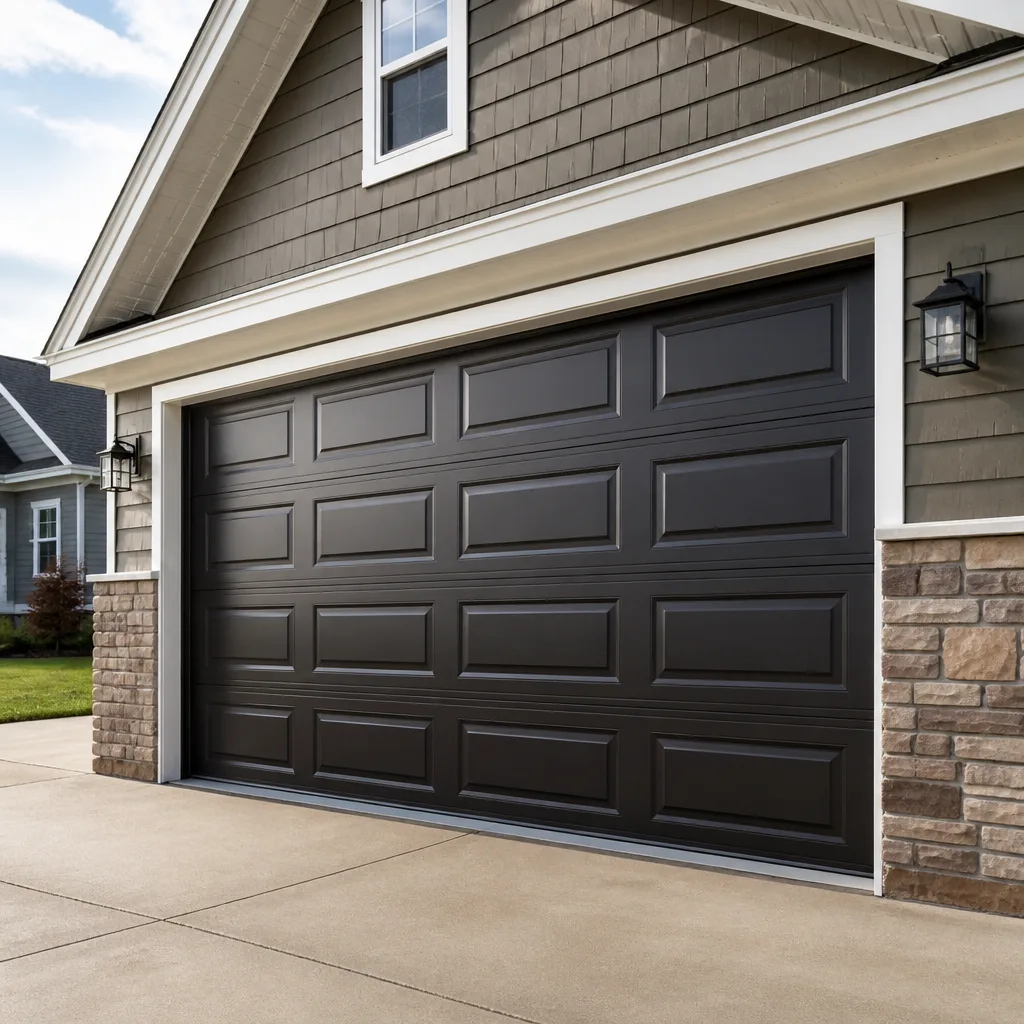 Raised-panel steel
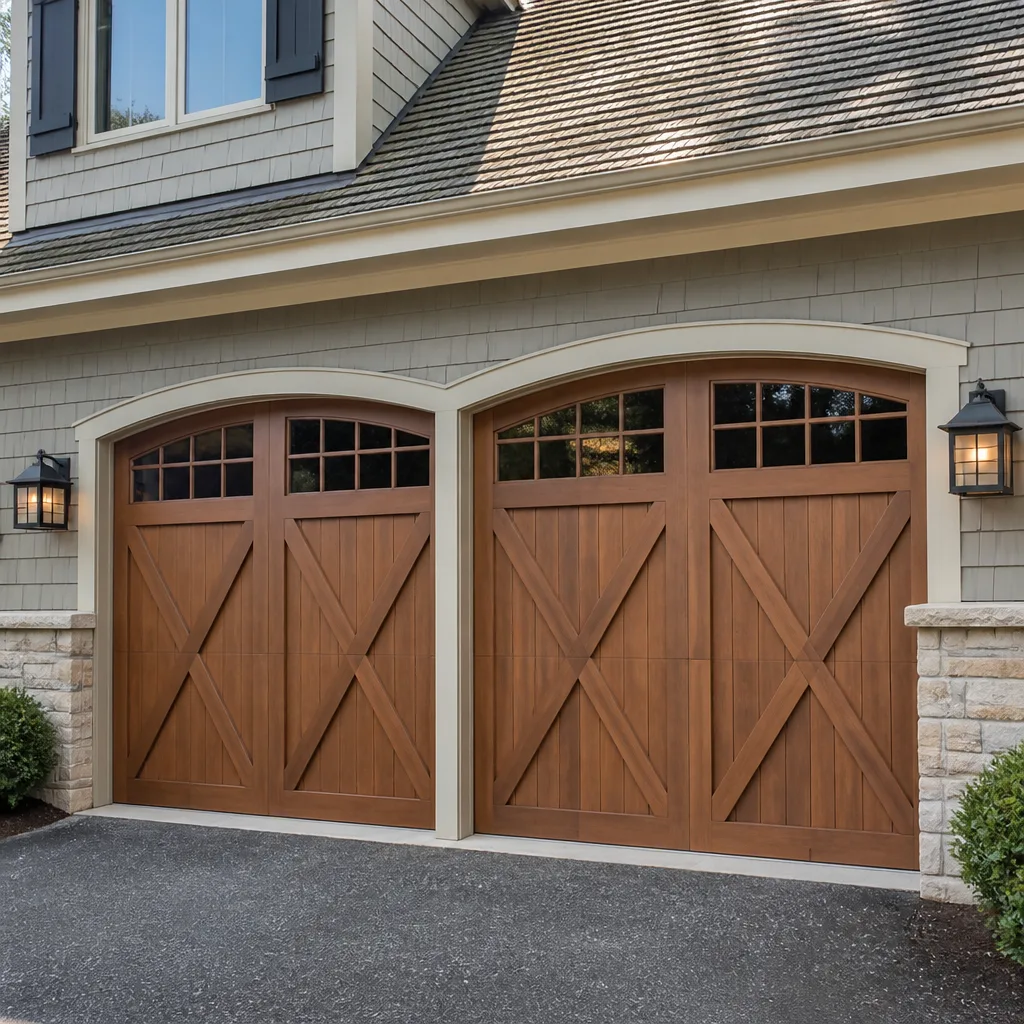 Carriage house
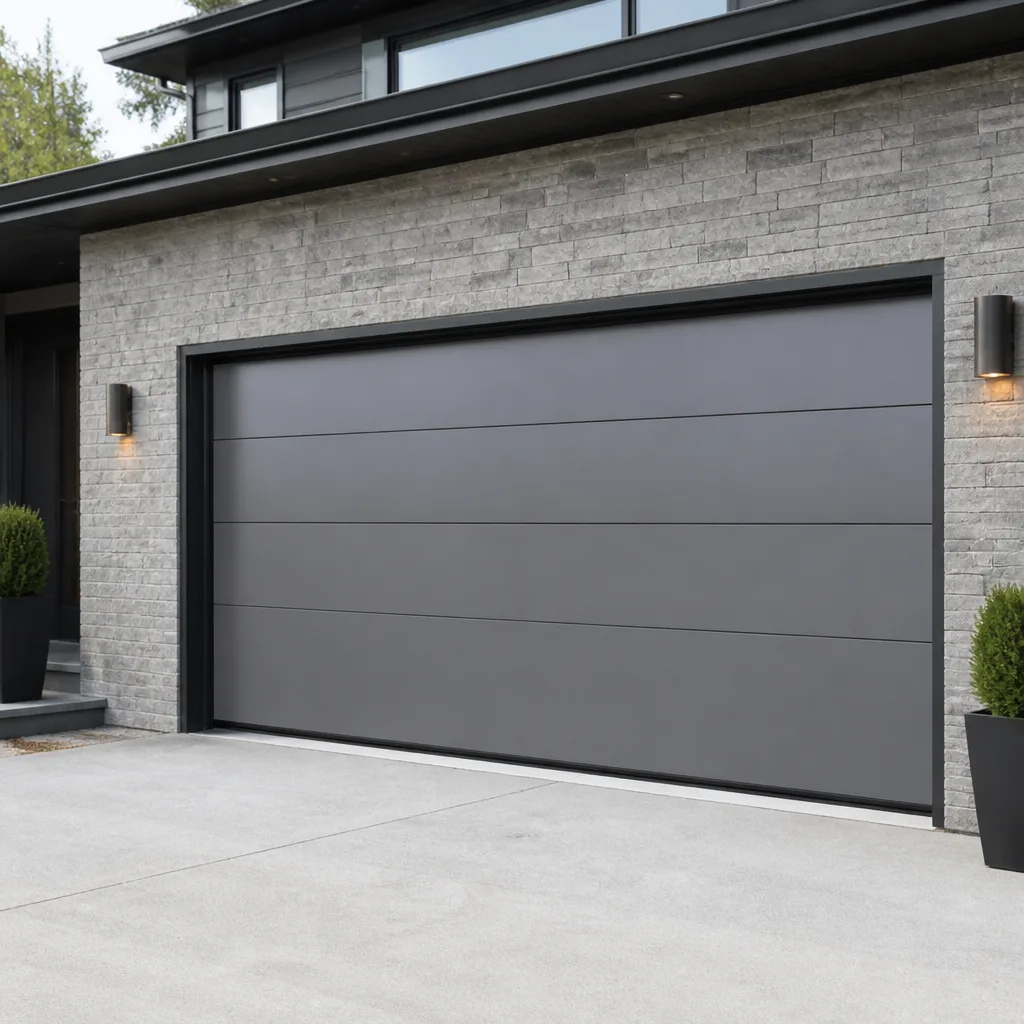 Modern flush
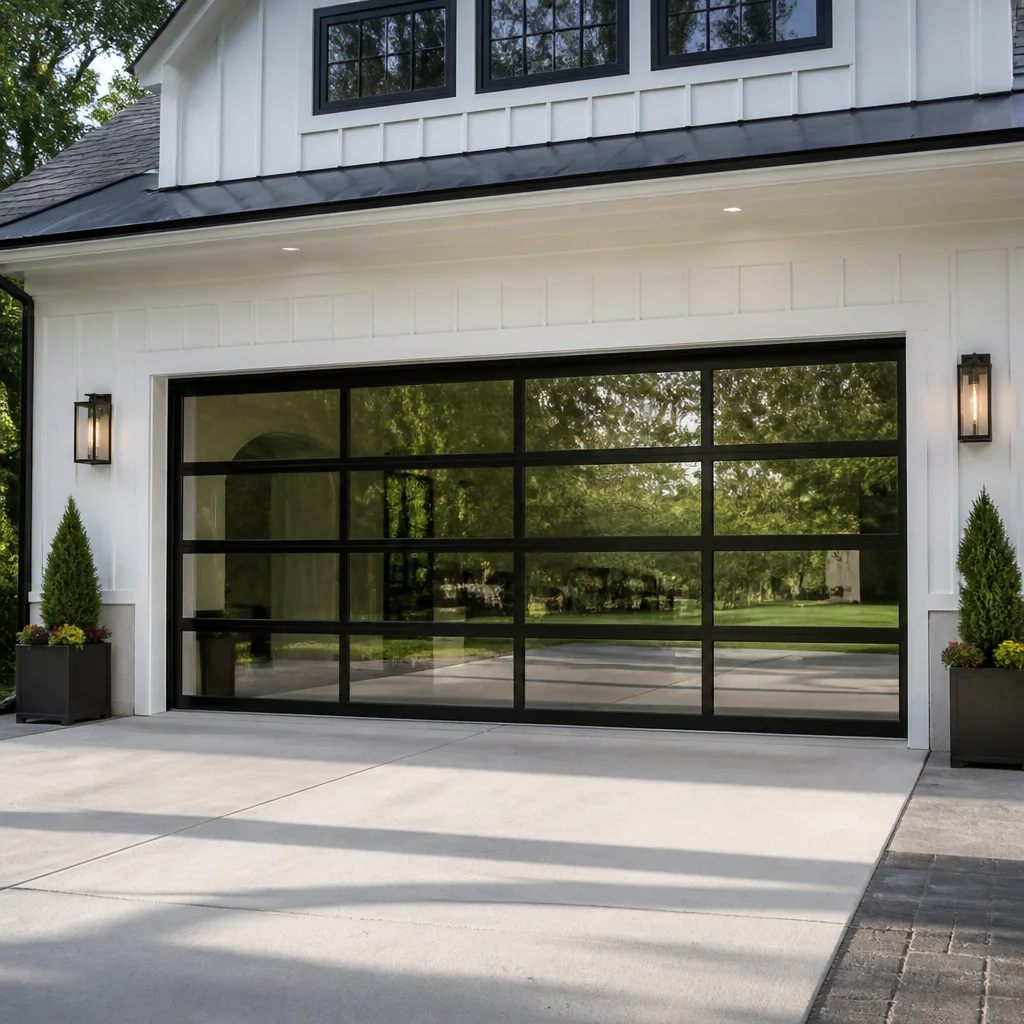 Full-view glass
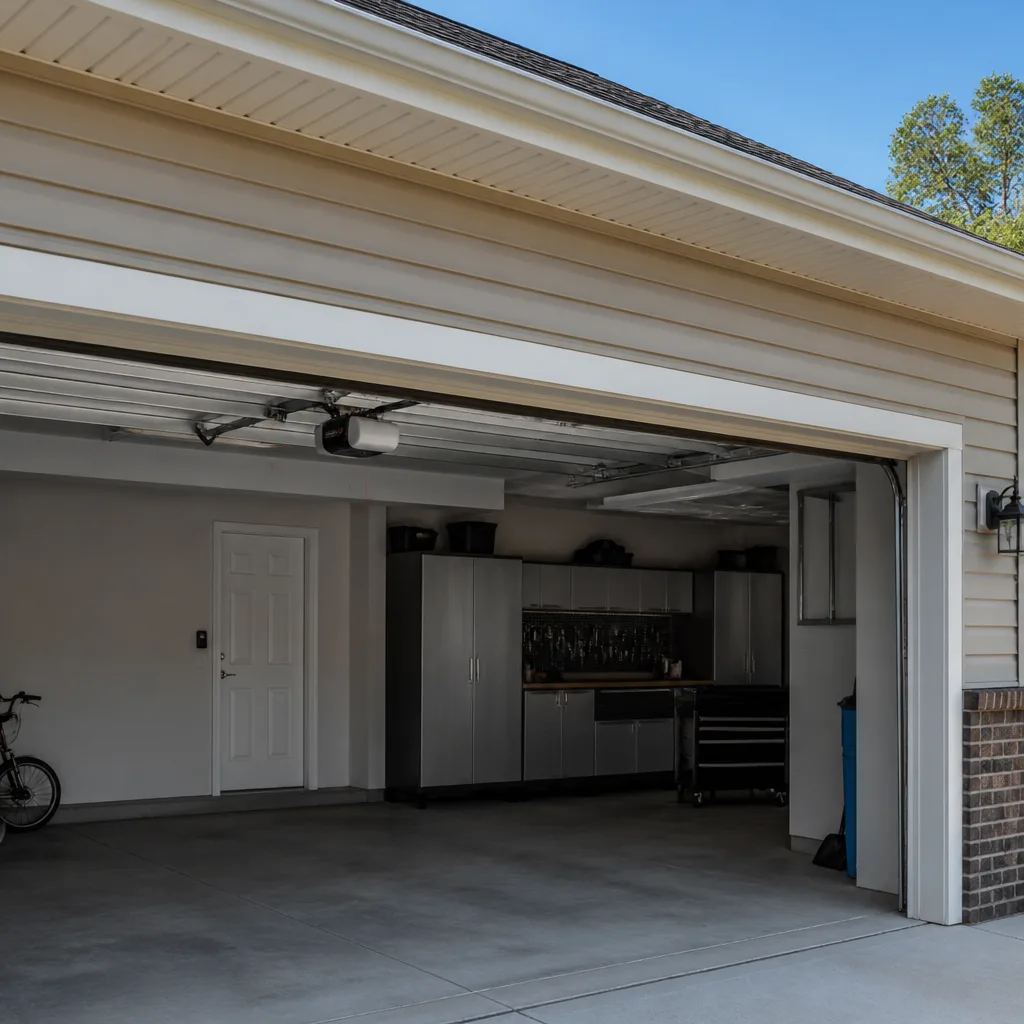 LiftMaster openers
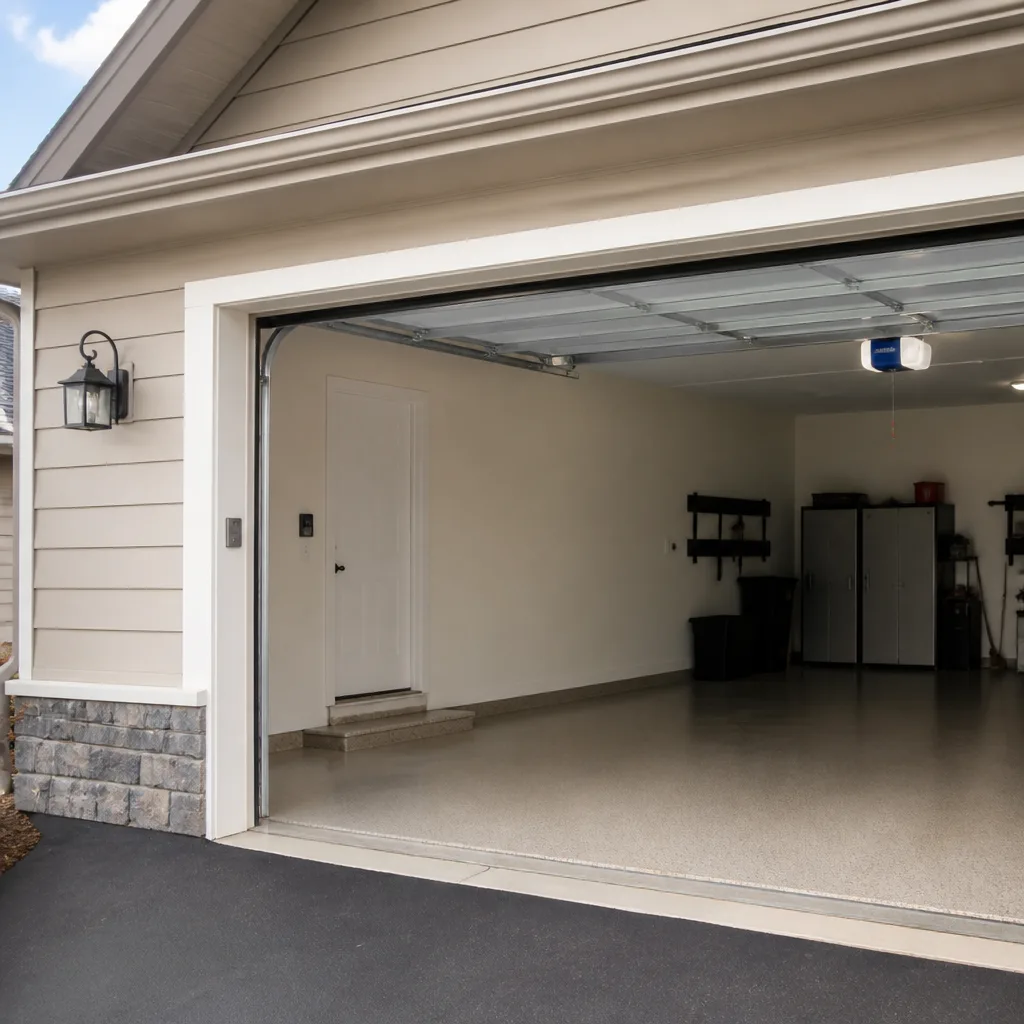 Chamberlain openers
Full 25-point door and opener safety check with every visit - springs, cables, rollers, tracks, and your LiftMaster or Chamberlain opener included
You get a price before we start. It does not change when the pro arrives.
Get your free estimateThe Complete Guide to Garage Doors in East Boston
Most garage door guides are written for a suburban house with a wide concrete apron and a door nobody looks at twice. East Boston is not that place. Here, a garage door might sit at the end of a nine-foot-wide driveway off a tight side street, hang from a low-headroom ceiling in a garage older than anyone living nearby, and face harbor wind blowing in every direction. Those conditions change which materials make sense, which opener fits, and what actually fails first. This guide walks through all of it, from corrosion to opener drives to the brand on your door, so you can decide what your East Boston garage really needs.
Quick Answer
Garage door work in East Boston comes down to matching the door, opener, and hardware to the building you actually have: a tight, older garage in a dense neighborhood, exposed to harbor weather and temperature swings. Steel needs regular attention to hold up here, low-headroom and side-mount opener setups are common, and choosing the right spring and drive type matters more than the brand badge. Whether it’s repair, a new opener, or a full replacement, the right answer starts with an honest look at the door you already own.
Styles & brands we work with
- Raised-panel steel
- Carriage house
- Modern flush
- Full-view glass
- LiftMaster openers
- Chamberlain openers
Table of Contents
- How East Boston’s Housing Stock Shapes Garage Door Choices
- Harbor Weather, Temperature Swings, and Corrosion
- Low-Headroom Garages, Side-Mount Openers, and Undersized Openings
- Belt vs. Chain vs. Jackshaft: Choosing an Opener Drive
- Which Materials Hold Up Best in East Boston
- Brands, Models, and Parts Availability
- Logan Flight Paths and Vibration-Sensitive Sensors
- A Seasonal Maintenance Routine for East Boston Doors
How East Boston’s Housing Stock Shapes Garage Door Choices
East Boston is one of the oldest settled parts of the city, and its garages show it. The neighborhood is built around triple-deckers, tightly packed lots, and side streets where a driveway is often squeezed between two buildings. A garage here might be a converted carriage house behind a Victorian, a freestanding shed-garage accessed from an alley, or a newer structure squeezed onto a lot that was subdivided. That variety means there’s no single “standard” East Boston garage door, which is exactly why generic advice falls short.
A few patterns come up again and again across East Boston:
- Narrow driveways and tight approaches. Backing in or pulling out of a nine-foot-wide driveway between buildings leaves little margin. A door that isn’t perfectly balanced or an opener that hesitates creates real headaches in these spaces.
- Older, often undersized openings. Some garages here were built for a car from a much earlier era, so the door is narrower and shorter than a modern standard. That limits which replacement doors and openers will fit without modification.
- Low ceiling heights. Many garages were not designed with modern overhead doors and tracks in mind, which pushes homeowners toward low-headroom or side-mount solutions.
- Mixed construction. Brick, wood frame, and concrete block all show up within a few blocks, and each affects how a door is anchored and what hardware holds up.
The practical upshot: before you buy anything, measure your opening, check your ceiling height, and look at how the door is anchored. In a dense East Boston neighborhood, those three numbers decide far more than the catalog does.
Harbor Weather, Temperature Swings, and Corrosion
East Boston sits right on the harbor, and waterfront weather is hard on steel. Wind-driven moisture and the freeze-thaw cycle of a New England winter work on metal and hardware all year. The result is that a steel panel door in East Boston tends to show rust, flaking paint, and stiff hardware sooner than the same door would further inland. That doesn’t make steel a bad choice; it means steel needs to be maintained and, ideally, chosen with more care.
What actually drives corrosion here:
- Moisture at the bottom panel. The bottom section of the door takes the most splash and the most snowmelt, so it’s the first place rust starts.
- Hinge and roller wear. Metal hinges and steel rollers stiffen as they corrode, which puts extra strain on the opener and the springs.
- Paint and finish failures. Once a coating chips or scratches, the bare metal behind it starts to go. Small touch-ups matter more here than they do inland.
- Freeze-thaw at the threshold. Water that gets into a seam and then freezes can pry panels and hardware apart over a few seasons.
The fix isn’t dramatic. Keep the door clean, touch up chips quickly, and check the bottom seal and hinges each season. When hardware has rusted to the point that it binds, replacing the hinges and rollers is often cheaper than replacing the door. We carry those components directly so a homeowner isn’t forced into a full replacement just to fix a stiff track.
Low-Headroom Garages, Side-Mount Openers, and Undersized Openings
Low headroom is the single most common structural surprise in East Boston garages. A ceiling that’s a foot too low for a standard overhead track forces a choice: modify the track with a low-headroom kit, or move the opener off the ceiling entirely with a side-mount (jackshaft) design. Both are routine, but they change what fits and how the door operates.
Here’s how a low-headroom or side-mount job usually goes:
- Measure the actual clearances. We check the ceiling height, the depth of the garage, and how much room the door has to travel up and back.
- Choose the track configuration. A standard track, a low-headroom track, or a high-lift configuration, depending on what the ceiling allows.
- Match the opener. If overhead space is truly gone, a jackshaft opener mounts on the wall beside the torsion bar and sidesteps the ceiling entirely.
- Check the springs and balance. A low-headroom door still needs correct spring tension, and the geometry has to be right or the opener works too hard.
- Test the safety reverse. Every installation ends with a full cycle test of the safety sensors and the auto-reverse.
Undersized openings get similar treatment. If your garage was built for a smaller car, the door, tracks, and opener all have to work within that footprint. This is where a full-measure visit matters: a door that’s ordered to the wrong size won’t fit, and a garage door is not something you want to return.
Belt vs. Chain vs. Jackshaft: Choosing an Opener Drive
Opener choice in East Boston is really a question of space and noise. Belt-drive openers run quiet and suit a garage attached to or under a living space. Chain-drive openers are louder but simple and dependable. Jackshaft openers mount on the wall and are the answer when the ceiling is too low for anything overhead. The right pick depends on your garage, not on which one is trendiest.
A quick comparison:
- Belt drive. Quietest of the overhead types. Best where a bedroom or living area is close to the garage. Needs a little more care in extreme cold, when the belt can stiffen.
- Chain drive. Strong, simple, and usually the most affordable. Louder, which matters in a tightly packed East Boston block where a garage shares a wall with a neighbor.
- Jackshaft (side-mount). Mounts beside the torsion bar, so it needs no overhead room. Ideal for low-headroom garages and for doors with high-lift track. Requires a torsion-spring door, which most East Boston overhead doors have.
Smart-home compatibility has become part of the decision. Modern LiftMaster and Chamberlain openers connect to an app and to home automation, while legacy Genie and Craftsman units still work fine for years with basic maintenance. If you’re keeping an older opener, we can diagnose it rather than push a replacement; if it’s a modern connected unit, we work on those too. The point is to match the drive type and features to how you actually use the garage.
Which Materials Hold Up Best in East Boston
Material choice is the biggest long-term decision in this climate. Steel is the most common door in East Boston, and for good reason: it’s strong, affordable, and available in insulated versions. But steel needs a proper factory finish and routine touch-ups to hold up to harbor moisture. Wood looks right on older triple-decker-adjacent garages and can be repaired, but it needs regular sealing and repainting to survive the winters. Aluminum is light and won’t rust, but it dents more easily and can still corrode at the hardware. Composite and fiberglass doors resist moisture well and won’t rust, though they cost more up front.
In practical terms:
- Insulated steel is the workhorse choice for East Boston, provided you keep chips and scratches touched up.
- Wood suits older architecture and is repairable, but budget for regular maintenance.
- Aluminum works well where weight matters, but expect dents and watch the hardware for corrosion.
- Composite/fiberglass resists moisture and rot best, at a higher initial price.
Whatever the material, the finish does the corrosion-fighting. A door with a robust factory coating and a homeowner who touches up scratches will outlast an untreated one by years here. When we give an estimate, we walk through material options against the door’s exposure and the building’s style, and we say plainly which one makes sense for your garage.
Brands, Models, and Parts Availability
The name on the door matters less than whether the parts to fix it are within reach. Most garage door components are widely available, but a few brand-specific parts can be a wait if they have to be ordered from out of state, which is exactly the situation East Boston homeowners try to avoid. Knowing which brands use common parts and which need a specific replacement saves time and money.
The brands we work on most in East Boston:
- LiftMaster and Chamberlain. Extremely common for openers, with broad parts availability and strong smart-home support.
- Genie and Craftsman. Legacy systems still in service across the neighborhood; many are perfectly repairable with the right parts.
- Clopay, Amarr, Wayne Dalton, and Raynor. Door and hardware brands we see often, each with its own part numbers and panel options.
Our approach is to tell you which fix is realistic. A stiff hinge or a worn roller on a common door is an easy, same-day fix. A discontinued opener part may need a substitution or an upgrade. And if you’re the hands-on type who wants to do the smaller repair yourself, we sell components directly, so you can source the right roller, hinge, or sensor without guessing. For anything involving the springs, though, we’ll always recommend trained hands; that’s covered below.
Logan Flight Paths and Vibration-Sensitive Sensors
Logan International Airport sits right next to East Boston, and depending on where you are in the neighborhood, aircraft pass low overhead. That constant low-level vibration has a quiet, cumulative effect on a garage door: mounting bolts loosen, tracks shift a fraction, and safety sensors drift out of alignment. It rarely causes a dramatic failure, but it can cause a door that occasionally won’t close, a sensor that reads “blocked” for no clear reason, or an opener that binds slightly as it travels.
This is why a few checks belong in any East Boston door routine:
- Check track alignment each season. A track that has drifted sideways will bind the rollers and strain the opener.
- Check the safety sensors. Confirm both sensors are lined up and clean. A misaligned sensor is the most common cause of a door that won’t close.
- Check the mounting hardware. Look at the bolts holding the opener and the door brackets; vibration loosens them over time.
- Listen for new noises. A new rattle or squeal after a season of aircraft traffic is worth a look.
A door near the flight path doesn’t need special parts, just a slightly more attentive routine. If a sensor or opener keeps acting up, a technician can trace whether it’s vibration, alignment, or a worn component rather than guessing.
A Seasonal Maintenance Routine for East Boston Doors
The single best way to avoid a spring or opener failure in East Boston is a short routine done each season. None of it is difficult, and it heads off most of the expensive surprises. A door that runs smoothly and is correctly balanced puts less load on the springs and the opener.
What to check, in order:
- Balance test. Disconnect the opener with the release handle and lift the door halfway by hand. A balanced door stays roughly in place; one that drops has a spring problem.
- Inspect the springs and cables visually. Look for gaps in the spring, fraying, or slack cable. If anything looks wrong, stop and call a technician; do not try to adjust springs yourself.
- Clean and lubricate. Wipe down the tracks and apply a proper garage door lubricant to hinges, rollers, and the spring coils, not a general household oil.
- Check the bottom seal. A worn seal lets water and cold air in, which speeds up corrosion at the bottom panel.
- Test the safety reverse. Put a small object in the door’s path and confirm it reverses on contact. Do this every season.
- Touch up paint. Seal any chip or scratch on a steel door before rust takes hold.
Balance and spring checks are where a homeowner should stop with DIY and call for service. A torsion or extension spring under tension can cause serious injury if it’s handled by someone without the right tools and know-how. That’s the one part of this guide we’d ask you not to tackle yourself. A trained technician handles spring replacement safely, and we treat it as a core specialty because it’s the job that most defines whether a garage door service is up to the task.
Common Mistakes to Avoid
- Buying a door online without measuring. In East Boston’s older, often undersized garages, a catalog-standard size may not fit. Measure the opening and headroom first, and have a full measure done before ordering.
- Ignoring rust until the door fails. A small chip in the bottom panel snowballs in harbor weather. Touch it up immediately rather than waiting.
- Using the wrong lubricant. Household oil and grease attract grit and gum up tracks. Use a garage-door-specific lubricant on hinges and rollers.
- Adjusting your own springs. This is the most dangerous part of the system. Improper adjustment can cause serious injury; call a trained technician.
- Forcing a misaligned door. If the door binds, the opener keeps pushing and wears out faster. Stop and get the track aligned.
- Replacing the whole door when a repair would do. A stiff or noisy door often needs new hinges, rollers, or a tune-up, not a new door. Get a repair estimate before you replace.
- Assuming the brand dictates the answer. Any of the common brands here can be repaired if the right parts are available. Don’t assume your door is unserviceable because of the name.
See the difference
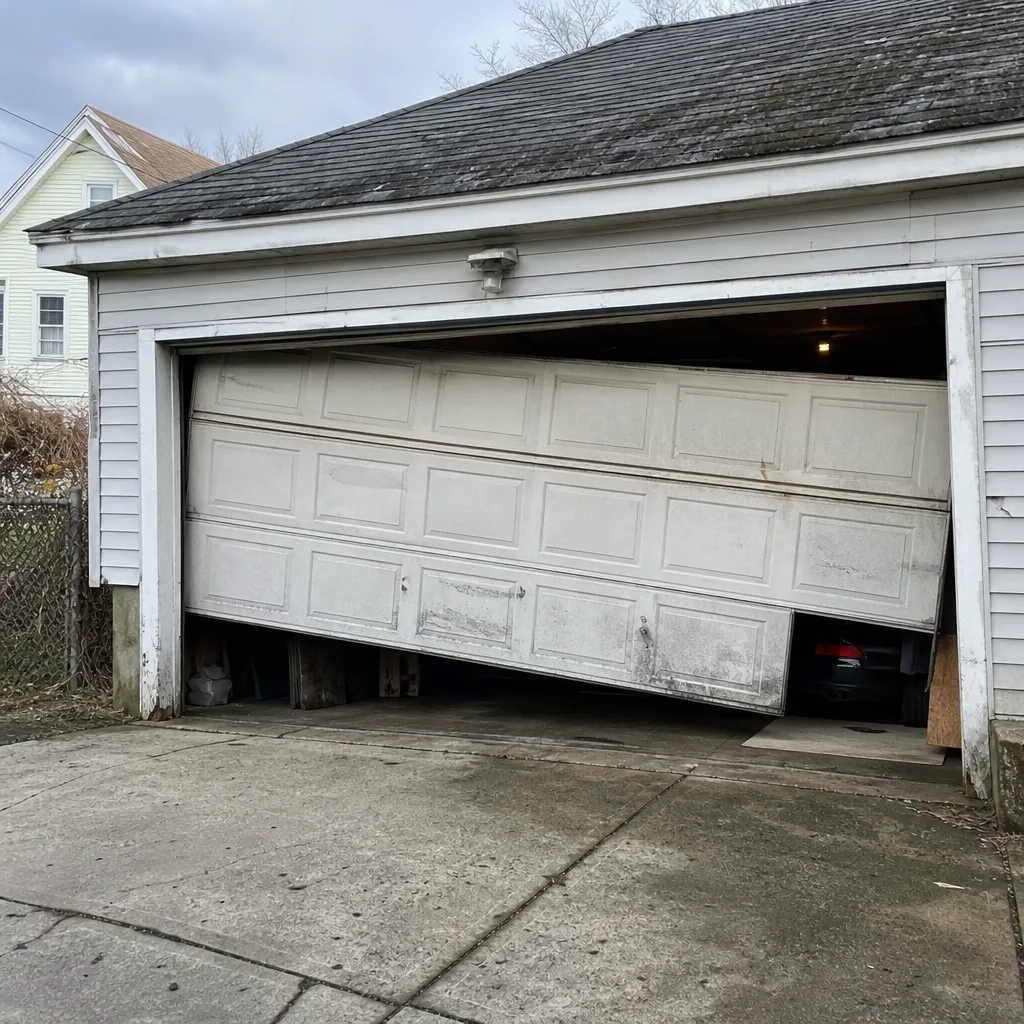 Before
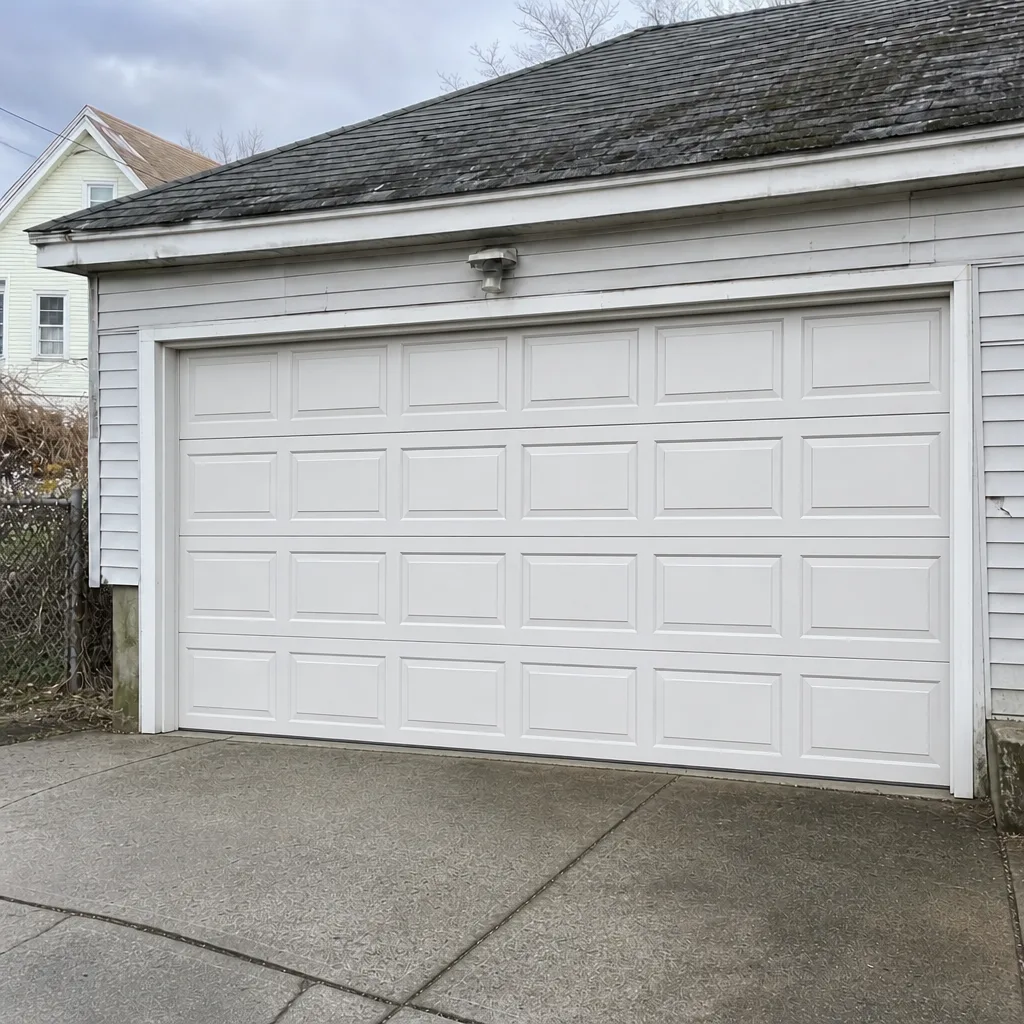 After
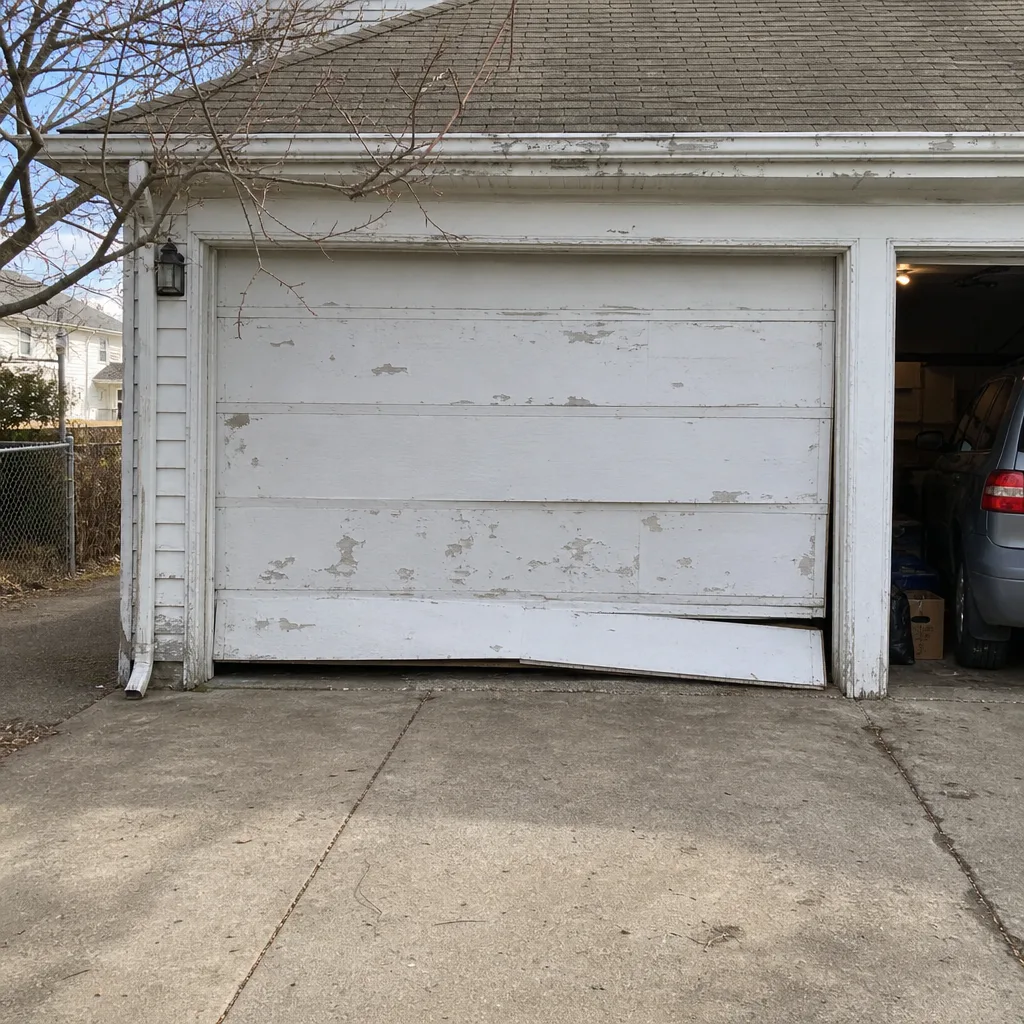 Before
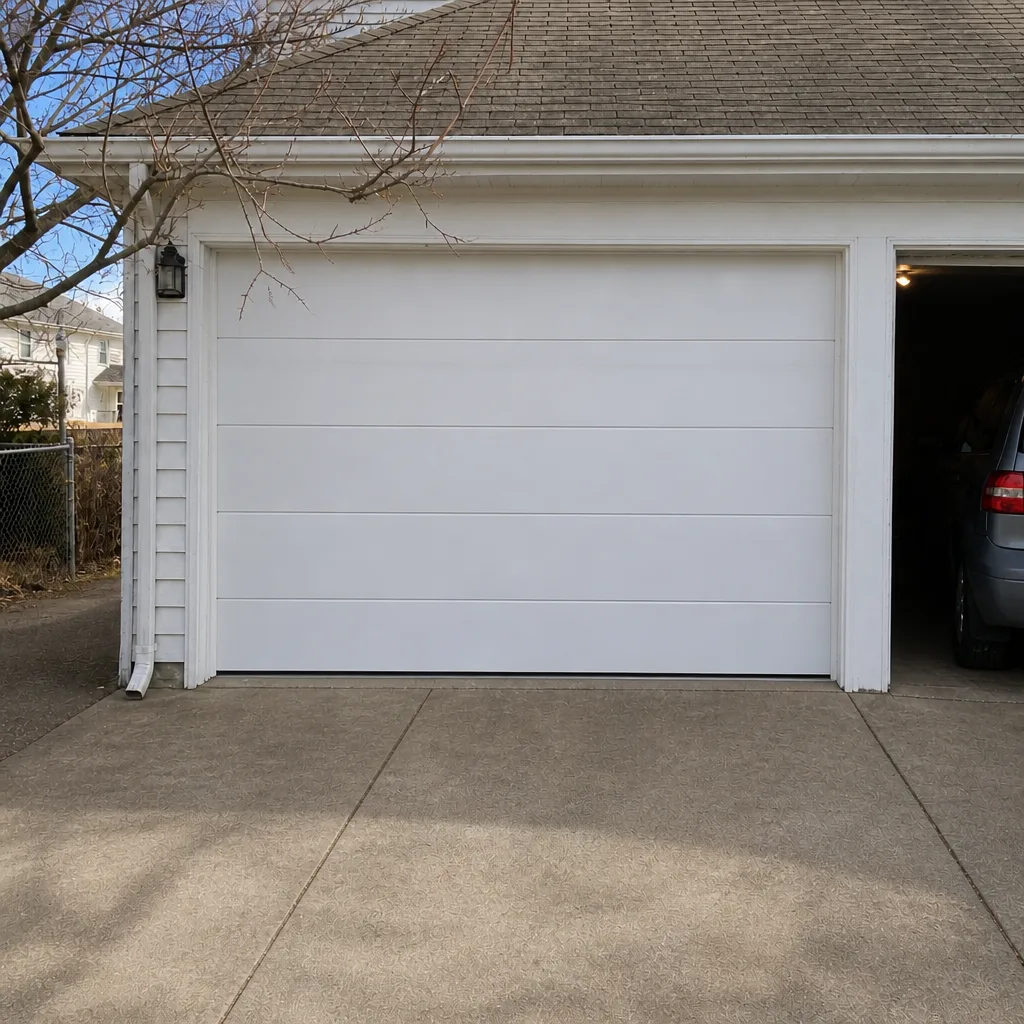 After
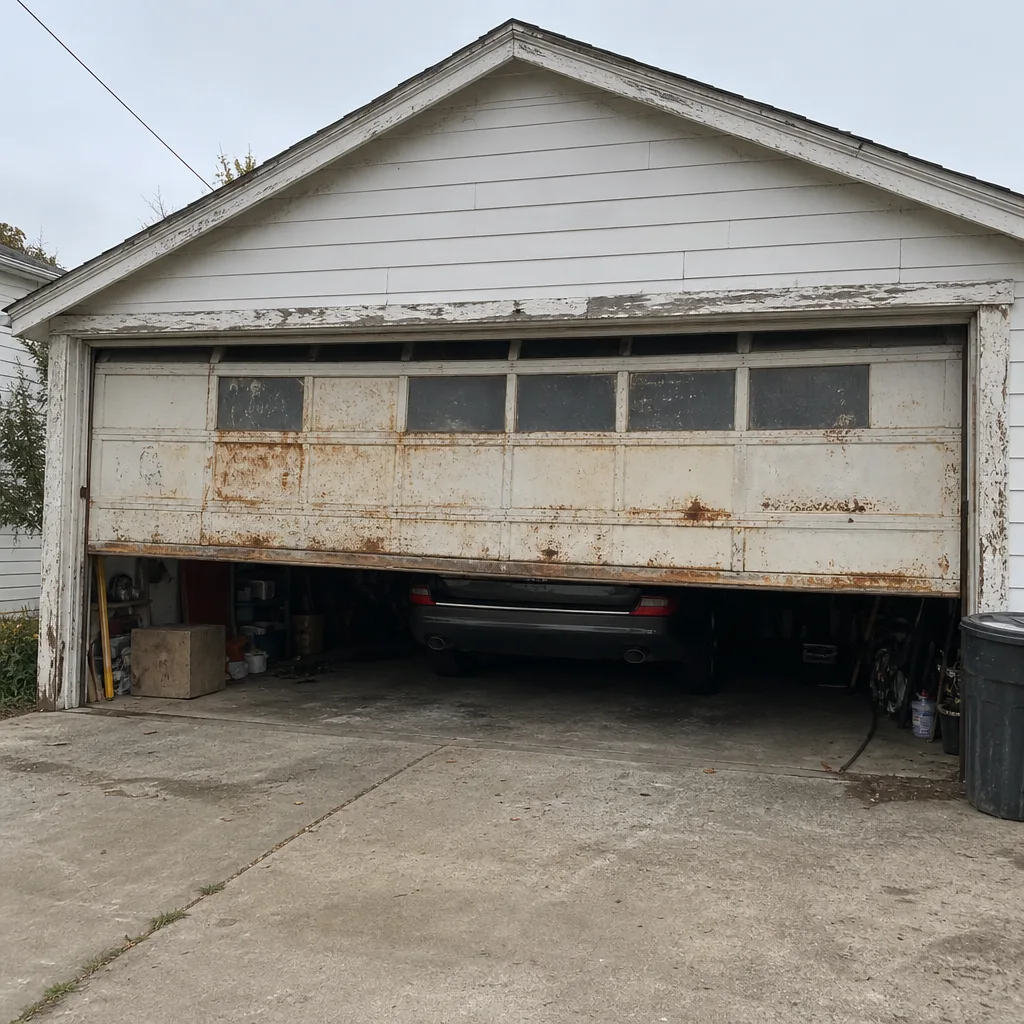 Before
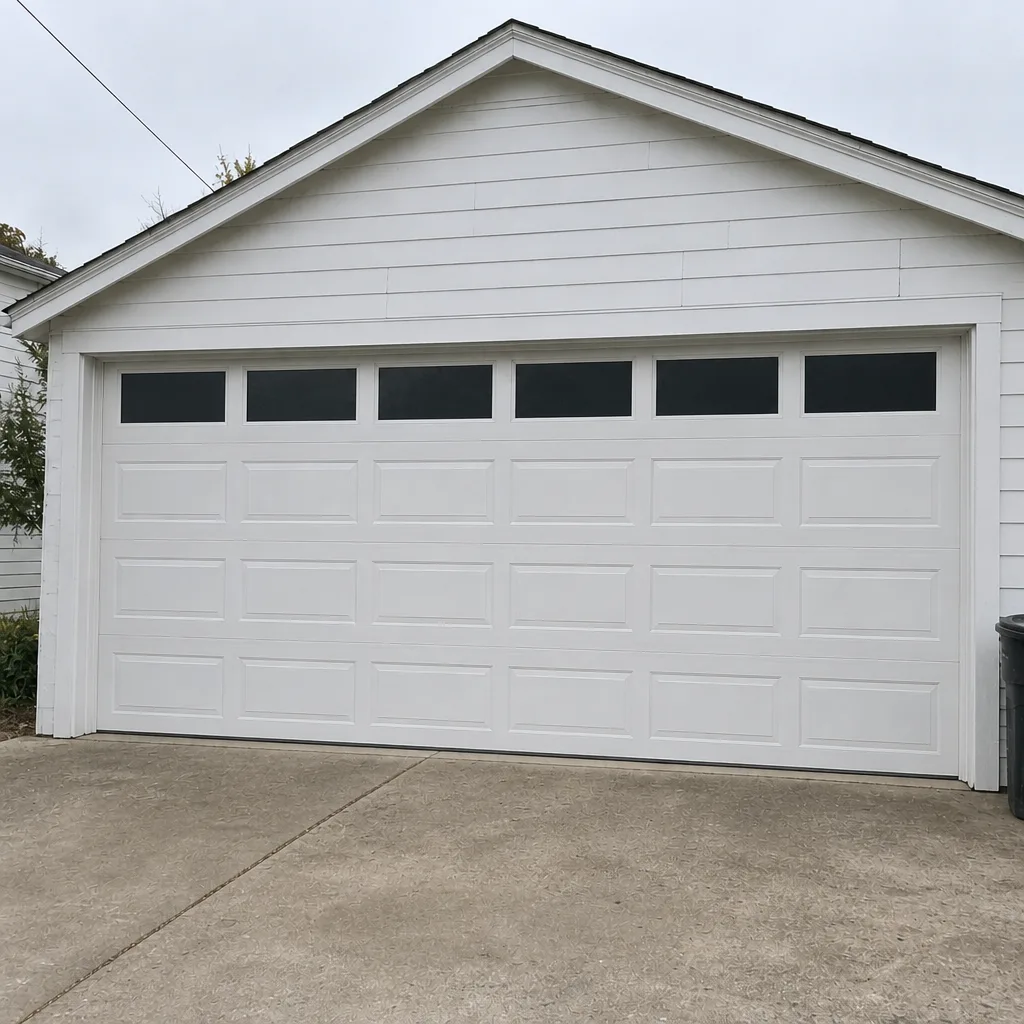 After
When to Call a Professional
Some jobs are safe to handle yourself, and some aren’t. Call a technician if anything involves the springs or cables, if the door is unbalanced, if the opener reverses for no clear reason, or if the door won’t close fully. Also call if a sensor keeps tripping despite cleaning, if the door has come off the track, or if vibration from Logan flight paths has loosened hardware to the point that the door runs rough. A quick professional look settles what would otherwise be guesswork, and a good technician will tell you plainly when a repair beats a replacement. East Boston Garage Door Repair offers free estimates in East Boston; call (877) 367-9149. Our technicians have up to 15 years of experience, and the price is agreed before any work starts.
Frequently Asked Questions
Most routine garage door repairs in East Boston come down to a written estimate after a visit, because the price depends on the door, the part, and the brand. A tune-up, new rollers or hinges, and sensor realignment are at the lower end; opener replacement or a track repair sit higher. Call (877) 367-9149 for an exact quote; estimates are free, and the written price is what you agree to before work begins.
We work on all the major brands common in East Boston, including LiftMaster, Chamberlain, Genie, Clopay, Amarr, Wayne Dalton, Craftsman, and Raynor. That means no job gets turned away because of the name on the door. If you’re not sure which brand you have, a look at the door and opener will tell us.
Yes. We sell garage door components directly, so homeowners and hands-on DIYers can source rollers, hinges, sensors, and other parts without hiring a technician for the whole job. If you’re unsure which part you need, we’ll help you match it to your door or opener before you buy.
The clearest sign is a door that won’t stay up when you lift it halfway by hand, or one that slams down. You may also see a visible gap in the spring or hear a loud bang. If any of that happens, don’t try to fix it yourself; spring replacement is a job for a trained technician. Call (877) 367-9149 for an estimate.
A side-mount (jackshaft) opener works best when there’s no room overhead, because it mounts on the wall next to the torsion bar. A belt-drive overhead opener also fits many low-headroom setups with the right track. We check your ceiling height and door before recommending one, so the fit is right.
The most common cause is a misaligned or dirty safety sensor, and aircraft vibration from nearby Logan flight paths can knock sensors slightly out of line over time. Clean and realign both sensors first. If the door still won’t close, a technician can check the track and opener. Call (877) 367-9149 if it keeps happening.
The Bottom Line
East Boston’s garages aren’t generic, so the advice for them shouldn’t be either. Tight driveways, older low-headroom buildings, harbor weather, and flight-path vibration all push a door toward specific materials, opener drives, and maintenance routines. Steel works here if it’s maintained, jackshaft openers solve most low-ceiling problems, and a short seasonal routine prevents most spring and opener surprises. Whatever brand is on your door, the right fix starts with an honest look at what you have. Repair or replace, we’ll tell you which one actually makes sense.
Get a Free Estimate
Whether your door needs a tune-up, an garage door opener repair, new springs, or a full garage door installation, we’re here to help. We handle garage door repair across East Boston and supply parts directly when you want to do the smaller jobs yourself. For everything else, East Boston Garage Door Repair is one call for the whole job. Call (877) 367-9149 for a free estimate today; the price is quoted and agreed before any work starts.
Written by the team at East Boston Garage Door Repair.