Last updated November 21, 2026
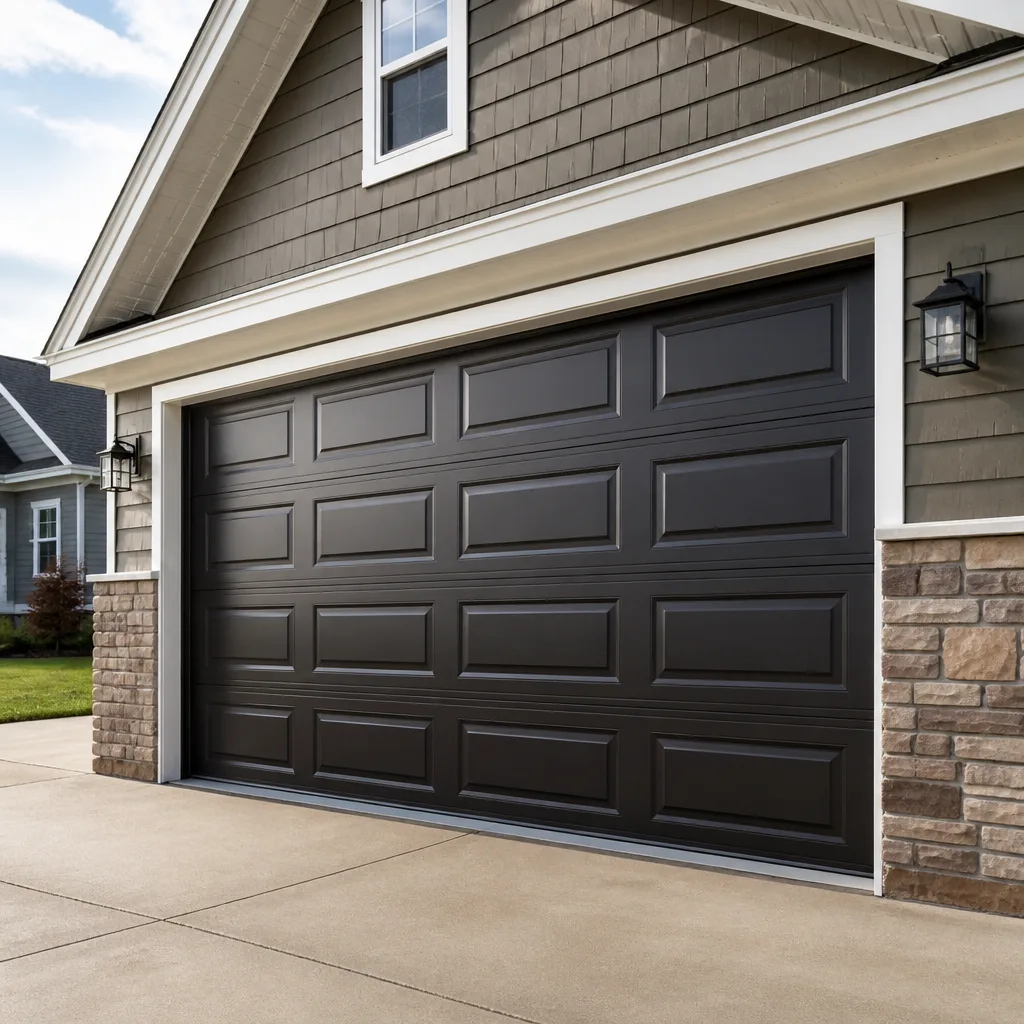 Raised-panel steel
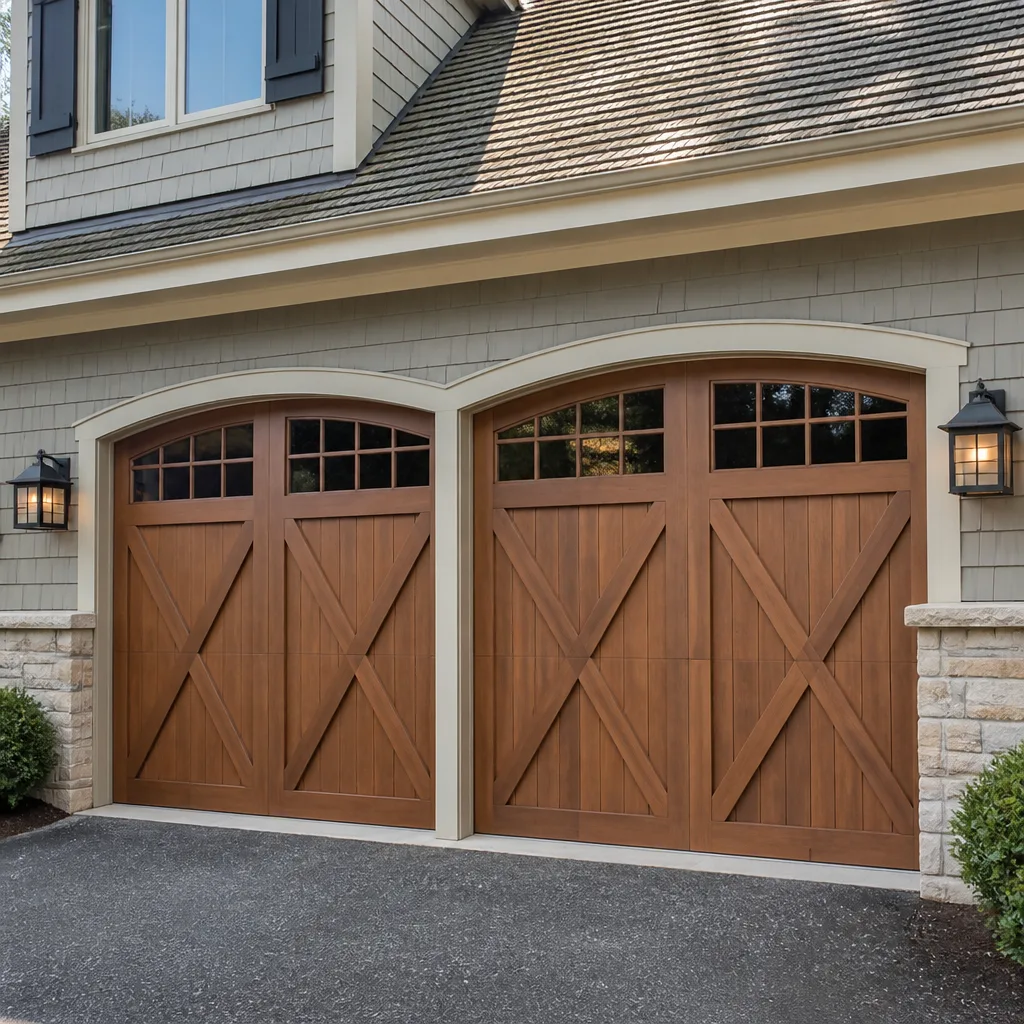 Carriage house
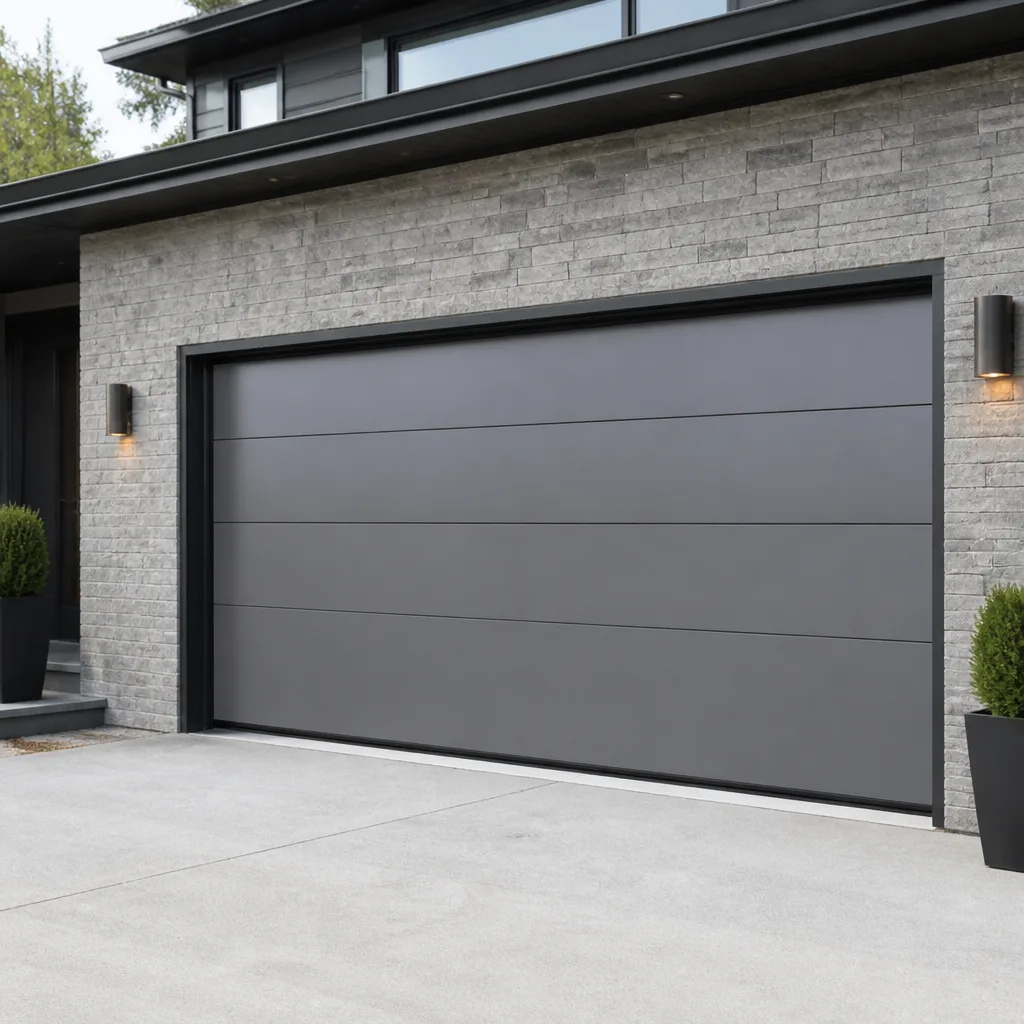 Modern flush
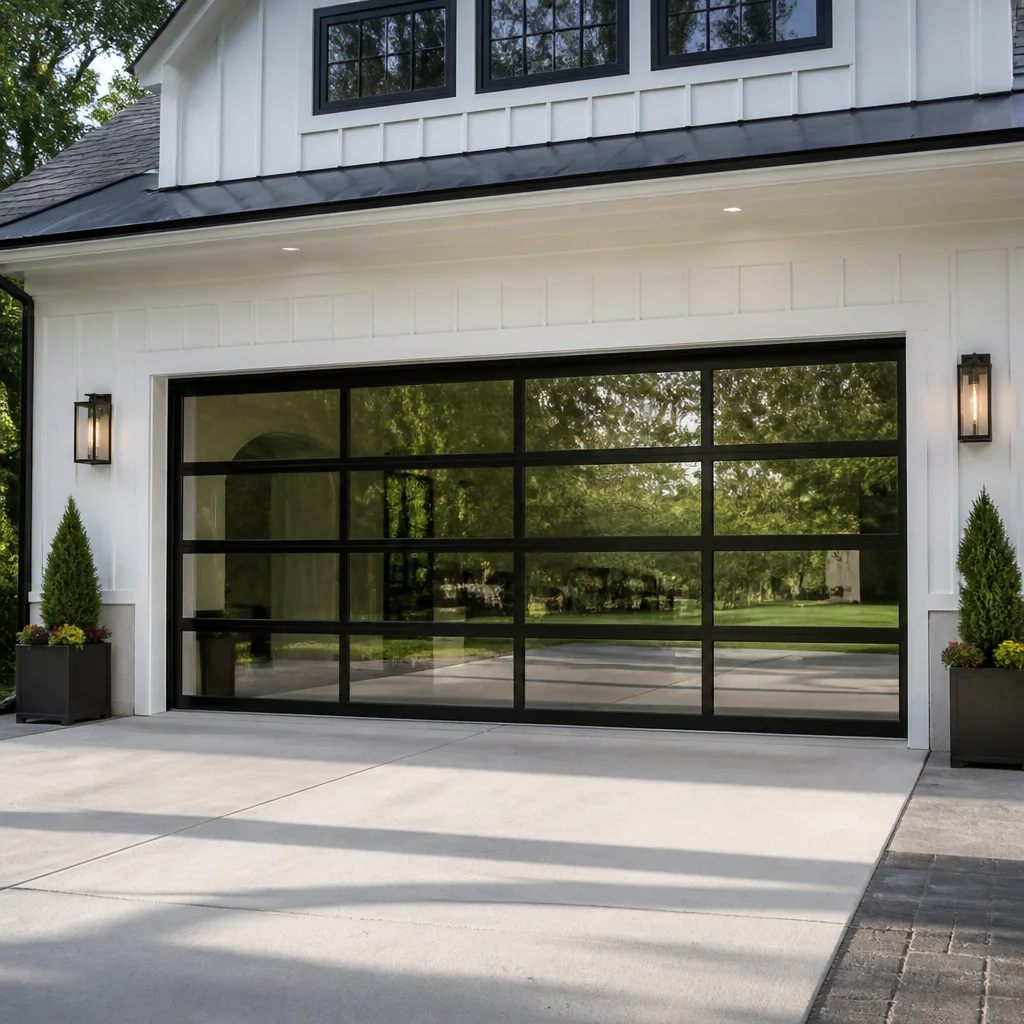 Full-view glass
 LiftMaster openers
 Chamberlain openers
Full 25-point door and opener safety check with every visit - springs, cables, rollers, tracks, and your LiftMaster or Chamberlain opener included
You get a price before we start. It does not change when the pro arrives.
Get your free estimateDIY vs Professional Garage Door: The East Boston Homeowner’s Decision Guide
Most garage door advice treats DIY as a skill question. Can you handle a wrench? Do you know how a torsion system works? That framing misses the point. The real dividing line is physics. A torsion spring under load stores enough energy to break a wrist or take out an eye, and no amount of confidence changes that. The useful guide isn’t “are you handy enough” – it’s a clear list of which jobs carry that stored-energy risk and which ones just look intimidating. We’ll walk through both sides for East Boston homeowners, from the tasks you should never touch to the ones you can finish yourself once the dangerous work is done.
Quick Answer
Torsion spring winding, cable re-spooling under tension, and bottom bracket removal are not DIY jobs under any circumstances; they involve stored mechanical energy that can injure you badly in a fraction of a second. Roller replacement (after tension is released by a professional), weatherstripping, safety sensor alignment, limit adjustment, and remote programming are reasonable for a careful homeowner with basic tools. The smart approach for many East Boston homes is to have the dangerous portion handled professionally and the finish work done yourself.
Styles & brands we work with
- Raised-panel steel
- Carriage house
- Modern flush
- Full-view glass
- LiftMaster openers
- Chamberlain openers
Table of Contents
- Why This Isn’t Really a Skill Question
- The Jobs That Are Never DIY: Springs, Cables, and Bottom Brackets
- What You Can Genuinely Handle Yourself
- How East Boston’s Housing Stock Complicates DIY Repairs
- The Cost Math When a DIY Cable Job Goes Wrong
- The Hybrid Approach: Pro for the Dangerous Part, You for the Finish
- Why the Brand on Your Door Matters for Parts and Advice
- Tools and Parts: What You Can Source and What You Can’t
Why This Isn’t Really a Skill Question
A torsion spring on a standard residential door holds the full weight of that door in tension. When it’s wound, it’s storing energy the way a drawn bow stores energy. The difference is that a bow releases in a predictable direction, and a spring that fails or slips can release in almost any direction at once. A cable under tension is the same story: cut or release it wrong and it whips. This is a mechanical fact, not a warning label.
That distinction matters because it changes how you should think about your own abilities. Being mechanically inclined is genuinely useful for a lot of garage door work. It doesn’t help with stored energy. Electricians don’t work live panels because they lack skill; they work them dead because the hazard isn’t something technique can manage. Torsion springs and tensioned cables belong in the same category.
East Boston’s older two- and three-family homes often have garage doors that have been worked on repeatedly over the years, sometimes with mismatched parts. That history makes the stored-energy risk harder to read, not easier. A spring that’s been re-wound one too many times or a cable with a worn drum can fail when someone unfamiliar with its condition starts adjusting it. We’ve seen plenty of doors where the visible hardware told one story and the tension told another.
The Jobs That Are Never DIY: Springs, Cables, and Bottom Brackets
Three categories of garage door work are categorically not homeowner jobs. Understanding the mechanical reason for each is more useful than a blanket warning, because it helps you recognize when a task belongs in that group.
- Torsion spring winding and replacement. Torsion springs are mounted on a shaft above the door and must be wound to a specific number of turns to counterbalance the door’s weight. The winding bars used to do this are inserted into the spring’s cone while it’s under load – if a bar slips out, it becomes a projectile. If the spring itself fails during the process, the door can drop or the hardware can fly. Extension springs, which run along the tracks on older doors, carry their own risk: they can snap violently and should have safety cables installed. Replacing either type is a professional job.
- Cable re-spooling under tension. The lift cables run from the bottom bracket up to drums at the top of the door. They’re under continuous tension and hold the door’s weight in coordination with the springs. A cable that’s come off its drum cannot safely be re-seated by hand; the tension has to be released correctly first. A cable that snaps while you’re handling it can do serious damage to your hand or arm.
- Bottom bracket removal. The bottom bracket at each corner of the door is where the cable attaches. Removing it while the cable is under tension releases that tension instantly. There’s no way to do this safely without first relieving the spring tension, which is itself a professional task.
If your door has a broken spring, a snapped or off-track cable, or a bent bottom bracket, the work needs a technician. In East Boston, spring replacement is one of the most common calls we get, and it’s a job where we’d rather talk you out of attempting it yourself than sell you parts you can get hurt with. Call garage door repair when any of these three components is involved.
What You Can Genuinely Handle Yourself
A surprising amount of garage door maintenance is entirely reasonable for a homeowner with basic tools, once the tension is off the door. The key qualifier is that “once the tension is off” part – some of these jobs are safe only when the springs are relaxed, and relaxing them is a professional task.
- Roller replacement. Nylon rollers wear out and get noisy. Replacing them means removing the hinge brackets that hold each roller, slipping the old roller out, and sliding a new one in. This is safe only when the door is fully down with the springs relaxed. If your door has tensioned springs you can’t safely release, have a technician handle the spring portion first, then do the rollers yourself.
- Weatherstripping. The rubber seal along the bottom of the door and the vinyl or brush seals around the sides and top take a beating in New England. Replacing bottom weatherstripping is straightforward: the old seal slides out of its retainer track and the new one slides in. Side and top seals are usually nailed or stapled on and replace the same way.
- Safety sensor alignment. The photo-eye sensors at the bottom of the tracks need to face each other and see a clear line. If your door reverses for no obvious reason, a bumped sensor or a cobweb is often the cause. Straighten the brackets, wipe the lenses, and check that the indicator lights on both units are steady.
- Limit adjustment. If the door stops just short of the floor or reverses too high, the open and close limits on the opener can be adjusted with a screwdriver. This is a fine homeowner task on most LiftMaster, Chamberlain, Genie, and Craftsman units. Follow the manual for your specific model.
- Remote programming. Pairing a new remote or keypad is a button-press sequence, not a repair. The manual or the opener’s learn button location will tell you which sequence applies.
The finish work here is real work, and doing it yourself saves money without creating a hazard. It’s the portion of garage door upkeep that a careful homeowner can own outright.
How East Boston’s Housing Stock Complicates DIY Repairs
East Boston’s garages were built for a different era of car and a different era of construction. That creates two complications that generic DIY guides don’t address, and both push more of the work toward professional sources.
Low-headroom tracks and non-standard hardware. Many of the older garages in East Boston – the ones tucked behind triple-deckers in neighborhoods like Eagle Hill and Orient Heights – were built with low ceilings. The tracks on those doors use low-headroom or double-low-headroom configurations that don’t match the standard radius track sold at hardware stores. When a roller, hinge, or bracket wears out on one of these doors, you often can’t walk into a big-box store and buy a replacement that fits. The hardware is specific to the configuration, and a standard part either won’t clear the ceiling or won’t align the door properly. Sourcing the right piece usually means going through a parts supplier that stocks the non-standard configurations.
Older doors without standard part compatibility. A garage door installed decades ago may predate current standard panel widths, hinge patterns, and bottom bracket designs. A homeowner ordering a replacement hinge online finds it doesn’t line up with the existing holes. A bottom seal that looks standard doesn’t fit the older retainer. Doors from Clopay, Amarr, and Wayne Dalton have had consistent designs in recent years, but older models can be a different story. The practical fix is to identify the door and its parts before ordering anything, rather than guessing from a photo.
Neither complication is a dealbreaker for DIY work, but both mean you should confirm part compatibility before you start. We keep direct access to parts for exactly this reason – sometimes the most useful thing we can do is hand a homeowner the right component so they can finish the job themselves.
The Cost Math When a DIY Cable Job Goes Wrong
The honest case for hiring out the dangerous work isn’t abstract safety language. It’s arithmetic. A cable that’s re-spooled wrong and then snaps under load doesn’t just need replacing – it can take out a panel on its way down, bend a track, or damage the opener’s rail. What started as a small repair becomes a multi-part job.
Professional cable replacement on its own is a contained repair. When a snapped cable damages a panel or a track, the repair scope grows: you’re looking at panel replacement or straightening, possible track replacement, and in some cases a new set of springs if the failure stressed them. The DIY attempt that saves a service call can cost several times what the service call would have. That’s not a scare tactic; it’s how the mechanics work out when a cable releases with nothing controlling its path.
The same logic applies to springs. A spring that’s wound incorrectly can fail early or leave the door unbalanced, which then wears the opener and the rollers. A professional spring replacement is done to the correct tension for your door’s weight, and a balanced door lasts longer across every other component. When you’re weighing DIY against a service call on these parts, the math favors getting the tension work done right the first time.
For a full replacement rather than a repair, the decision shifts again. garage door installation involves measuring the opening, ordering a door sized to it, and setting the tracks, springs, and opener together. That’s a project, not a repair, and it’s one where the measuring and the spring work both carry risk. A free measure and a written price is the sensible starting point.
The Hybrid Approach: Pro for the Dangerous Part, You for the Finish
You don’t have to choose between full DIY and a full-service call. The most practical arrangement for many East Boston homeowners is to split the job: a technician handles the tension work, and you take back the finish work once the door is safe. It’s worth asking any company you call whether they’ll work that way.
- Identify what actually needs doing. A broken spring, a frayed cable, and a noisy roller sound similar from the driver’s seat but belong to different categories. Get the dangerous components identified first.
- Have the tension work done professionally. Spring replacement, cable replacement, and bottom bracket work get handled by a technician. This is the portion where the stored-energy risk lives.
- Confirm the door is balanced and safe. After the spring or cable work, the door should lift with modest force and stay put halfway up. A balanced door is the handoff point.
- Take back the finish work. Once the door is balanced and safe, we’re happy to leave the rollers, weatherstripping, and trim to you. Those jobs don’t involve stored energy and a careful homeowner can handle them.
- Ask for parts guidance, not just labor. If you’re doing the finish work, ask what part numbers or sizes fit your specific door. A company that sells parts as a standalone service can tell you what to buy.
We work this way when a homeowner asks. It’s not a reduced service – it’s the right division of labor for someone who wants to handle the straightforward parts themselves. Repair or replace, the honest answer is sometimes “you can do half of this yourself.” We’ll tell you which half.
Why the Brand on Your Door Matters for Parts and Advice
Garage doors and openers aren’t interchangeable. A hinge pattern that fits one manufacturer’s door won’t line up on another, and opener programming sequences differ by make and generation. Knowing what’s on your door is the first step in any repair decision, DIY or professional.
We work on systems from LiftMaster, Chamberlain, Genie, Clopay, Amarr, Wayne Dalton, Craftsman, and Raynor. That range matters for a DIY-minded homeowner because it means the advice you get is matched to your actual equipment. A Clopay door from a certain era takes one kind of bottom seal; an Amarr takes another. A Genie opener’s limit adjustment works differently from a LiftMaster’s. The more specific the guidance, the less likely you are to buy the wrong part and end up making a second trip.
For opener work specifically, the brand and generation determine a lot. Smart-home-compatible openers from LiftMaster and Chamberlain program differently from legacy Craftsman units, and the safety sensor behavior varies. If your opener is misbehaving, garage door opener repair starts with identifying the model. From there, diagnosing a limit problem or a sensor fault is often a quick call, and sometimes a homeowner can fix it with a phone conversation and a screwdriver.
Tools and Parts: What You Can Source and What You Can’t
Most of the tools for homeowner-level garage door work are already in a basic toolbox: a socket set, screwdrivers, an adjustable wrench, and a ladder. The parts are where sourcing gets harder, especially for older or non-standard doors.
- Easily sourced: standard nylon rollers, bottom weatherstripping in common widths, remote controls, and keypad units for current opener models. These are widely available and usually fit without modification.
- Harder to source: low-headroom track components, older hinge patterns, and bottom brackets for doors that predate current standard designs. These often require a parts supplier that stocks the specific configuration.
- Professional only: torsion springs sized to your door’s weight, lift cables, and drums. These aren’t parts a homeowner should be installing, and they’re matched to the door’s specific weight and height.
If you’re doing the finish work yourself, start by identifying your door and opener models. The model plate is usually on the opener motor housing, and the door manufacturer’s name is often on the bottom panel or a sticker on the frame. With those details in hand, sourcing the right part is straightforward. Without them, you’re guessing. If you’d rather not guess, our parts service exists for exactly that – components available directly, with the sizing confirmed before you buy.
Common Mistakes to Avoid
- Releasing spring tension without winding bars and experience. This is the single most dangerous mistake a homeowner can make with a garage door. The tension has to be released gradually and in a controlled way, and there’s no safe shortcut.
- Cutting or unhooking a tensioned cable to “see what happens.” A cable under load whips when released. It can strike a person, a panel, or the opener rail. There’s no safe DIY version of this.
- Ordering parts by photo without confirming the model. East Boston’s older garages often have non-standard hardware. A part that looks right online can arrive and not fit. Confirm the model and part number first.
- Replacing one spring when the pair is worn. Matched springs are usually replaced together, because a new spring paired with a worn one leaves the door unbalanced and wears both faster. Ask about the pair, not just the broken one.
- Adjusting opener limits to compensate for a binding door. If the door binds or is hard to lift, the problem is usually mechanical, not the opener setting. Cranking the limit won’t fix a worn roller or a failing spring.
- Ignoring a door that’s become hard to lift. A door that needs two hands to raise is out of balance, and the imbalance stresses the opener and the springs. Get it checked before it fails.
- Skipping the safety cable on extension springs. Older doors with extension springs should have safety cables running through them. If yours doesn’t, that’s a safety gap worth closing.
See the difference
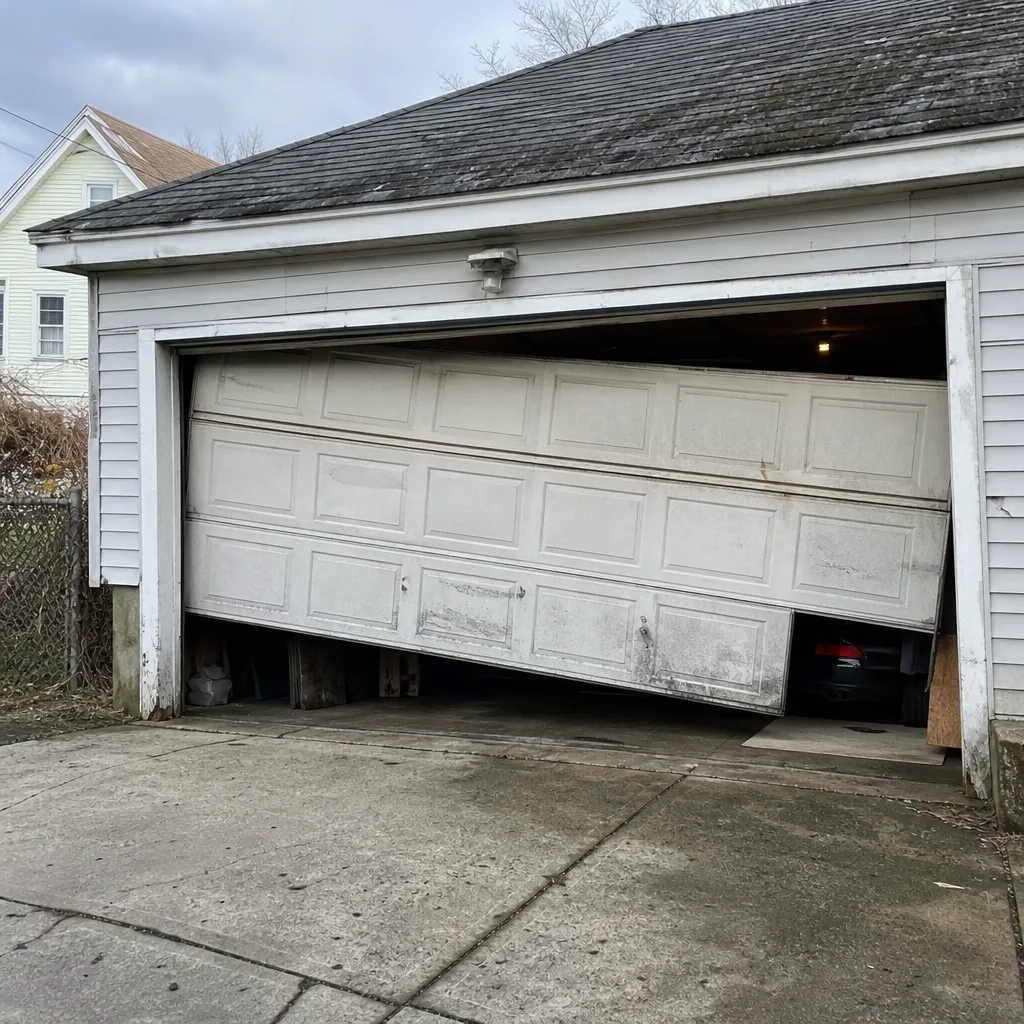 Before
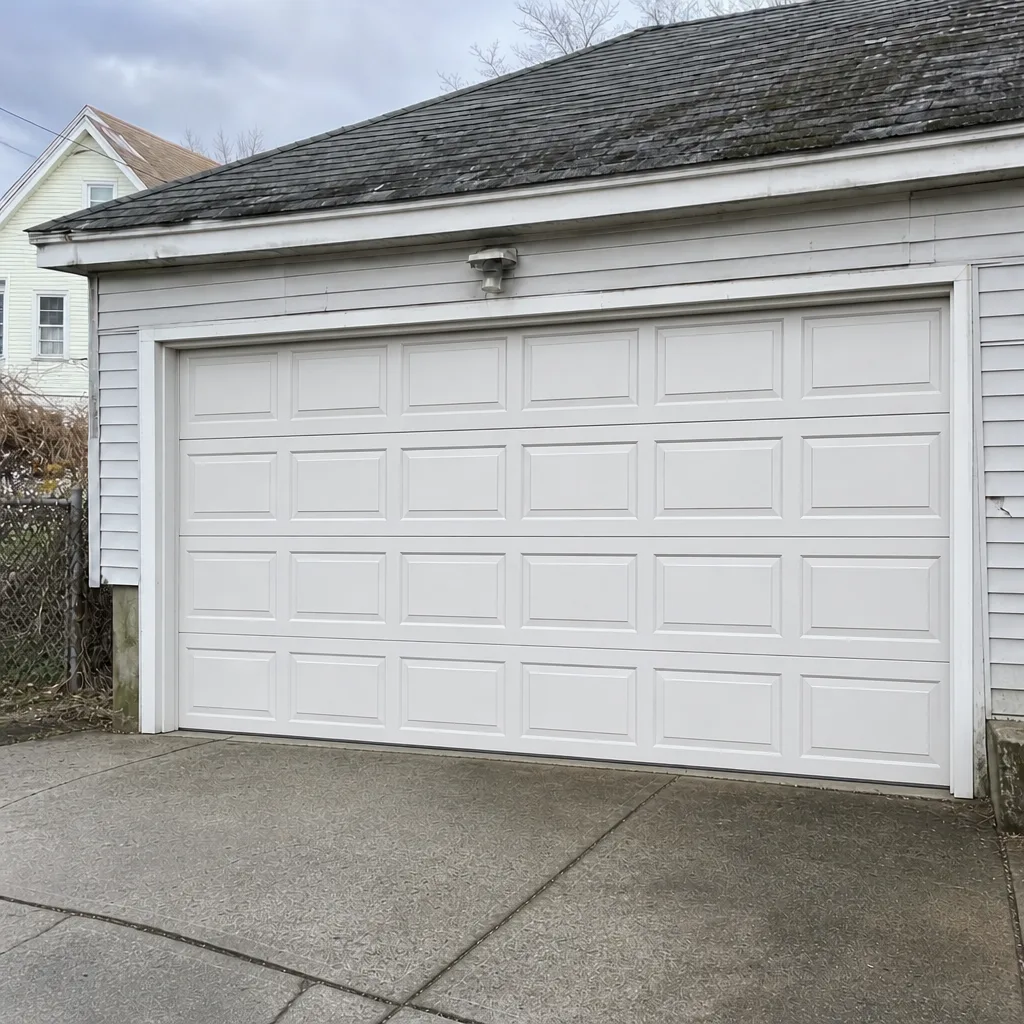 After
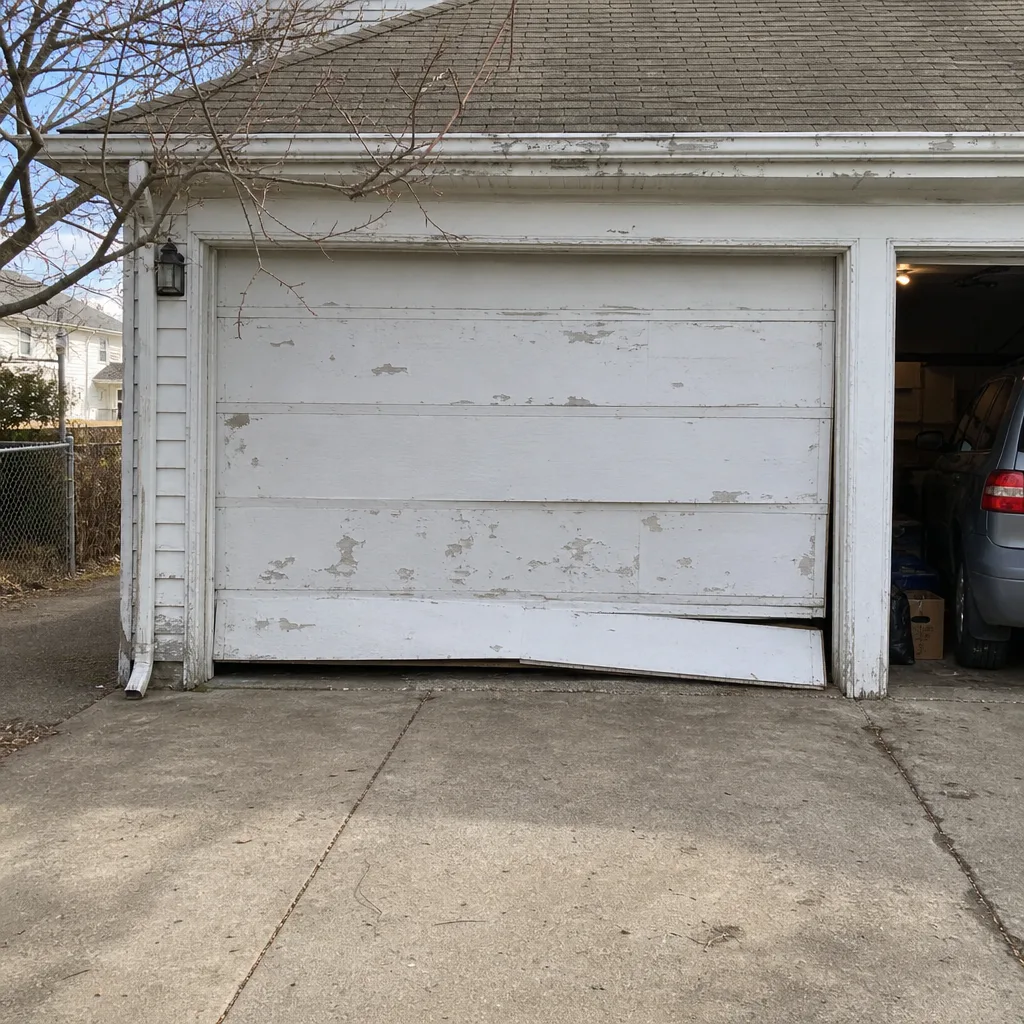 Before
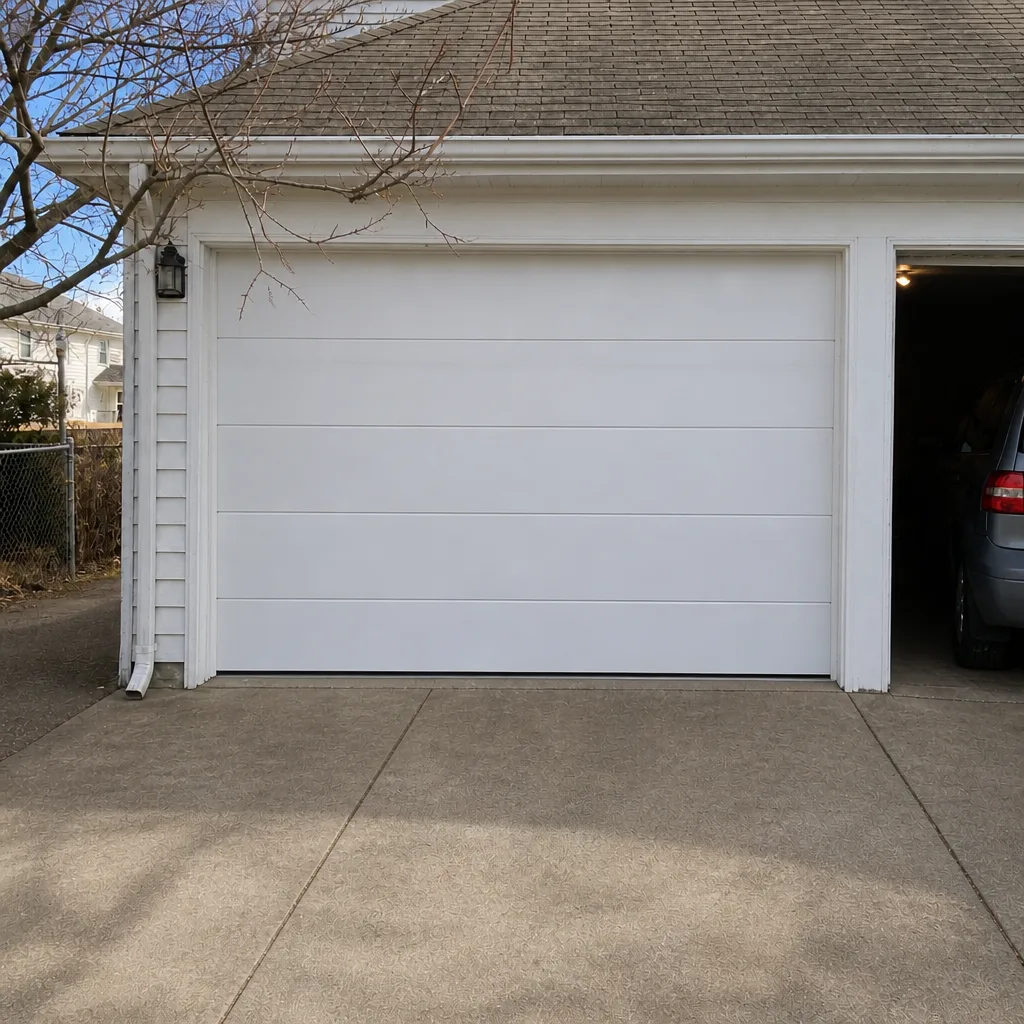 After
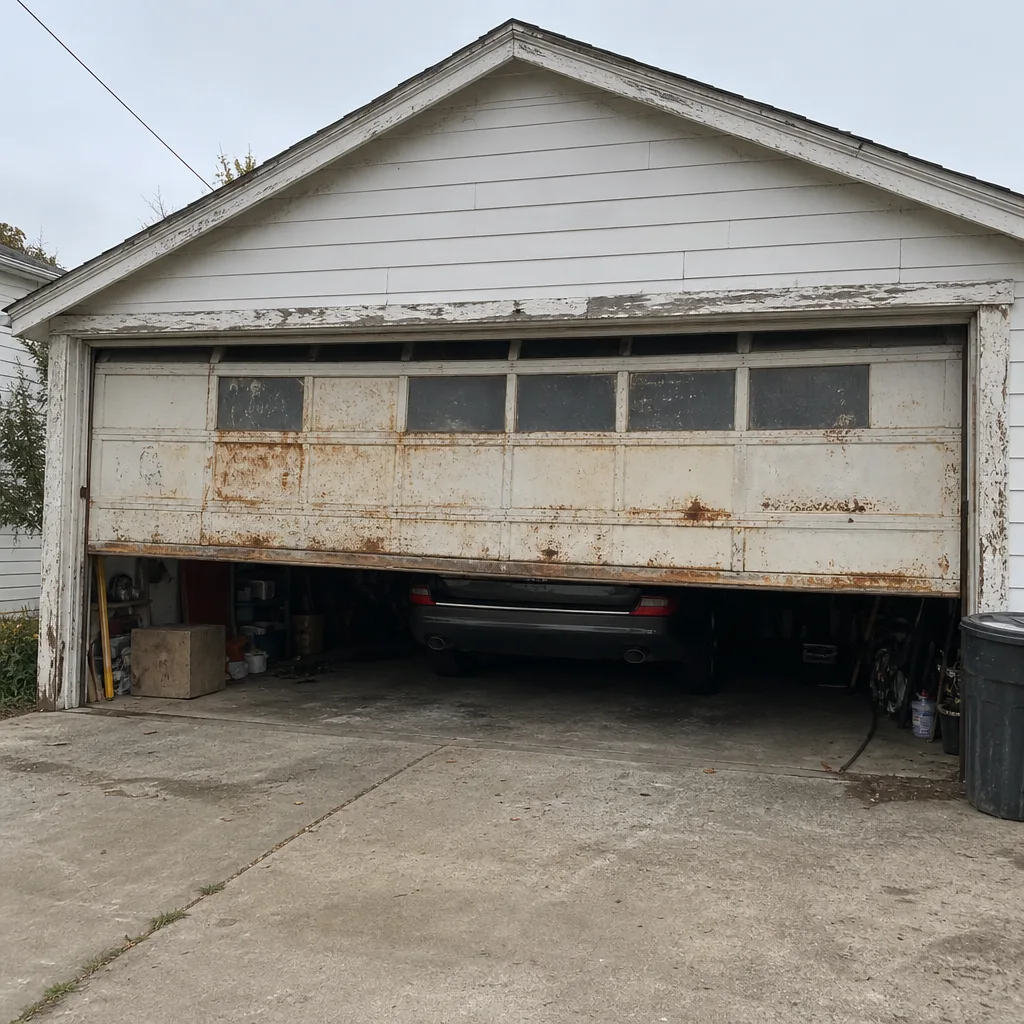 Before
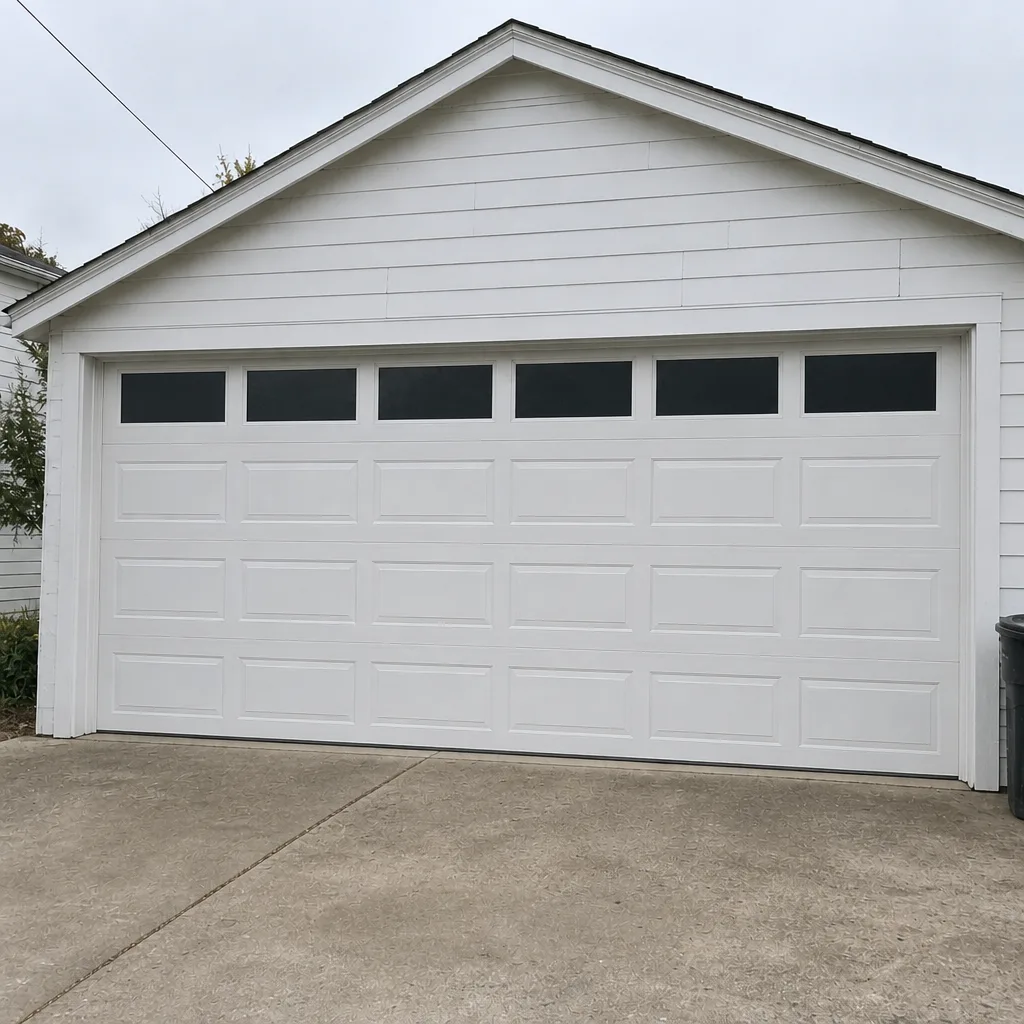 After
When to Call a Professional
Call a professional any time the work involves torsion springs, lift cables, or bottom brackets. That’s the line, and it doesn’t move based on how handy you are. It’s also the right call if your door is out of balance, if a cable has come off its drum, if you’re hearing a loud bang from the garage, or if the opener is reversing or failing to close reliably after basic checks. Older doors in East Boston with non-standard hardware often need a professional simply to identify and source the right parts before any work starts.
East Boston Garage Door Repair offers free estimates in East Boston – call (877) 367-9149. Our technicians have up to 15 years of experience, and we work on whatever brand is on your garage. We’ll tell you which portion of the job you can handle yourself and which portion needs a trained hand.
Frequently Asked Questions
No. Torsion springs hold the full weight of the door in tension, and winding or replacing one requires winding bars inserted into a loaded spring – if a bar slips, it becomes a projectile, and a spring that fails during the process can drop the door. No amount of care changes the stored energy involved. Call (877) 367-9149 for an exact quote on spring replacement – estimates are free.
Yes, but only once the spring tension has been released, because the door has to be fully down and free of tension before you remove the hinge brackets. If your door has tensioned torsion springs you can’t safely release, have a technician handle that portion first. Once the door is balanced and relaxed, roller replacement is a straightforward homeowner task.
A DIY cable snap can cost several times a professional cable replacement, because a cable that releases under load can take out a panel, bend a track, or damage the opener rail on its way down. Professional cable replacement is a contained repair. Call (877) 367-9149 for a free estimate on cable work before you attempt anything.
Yes, and many East Boston homeowners ask for exactly that. We handle the spring and cable work, then confirm the door is balanced and safe, and hand the roller, weatherstripping, and trim work back to you. Call (877) 367-9149 to set up the dangerous portion and get parts guidance for the rest.
We’re closed on Saturday and open Sunday through Friday, 7am to 7pm. If your door fails on a Saturday, call and we’ll book you for Sunday. A broken spring means the door shouldn’t be used until it’s repaired, so plan on keeping it closed until we arrive.
Low-headroom garages in East Boston often use non-standard track and hinge configurations that aren’t sold at hardware stores, so a standard roller won’t clear the ceiling or align the door. Identify the door model and track configuration before ordering anything, or call (877) 367-9149 and we’ll source the right part directly.
The Bottom Line
The DIY-versus-professional decision comes down to stored energy, not skill. Torsion springs, tensioned cables, and bottom brackets are professional work because they can injure you badly in a fraction of a second, and no amount of experience makes that risk manageable. Rollers, weatherstripping, sensor alignment, limit adjustment, and remote programming are genuinely yours to handle once the tension is off the door. East Boston’s older housing stock adds a parts-sourcing wrinkle, but it doesn’t change the safety line. Get the dangerous portion done right, take back the finish work, and ask for parts guidance so you buy the right components. That’s the arrangement that saves money without gambling on your hands.
Whether you’re weighing a spring replacement, an opener fault, or a full new door, the first step is the same. Call East Boston Garage Door Repair at (877) 367-9149 for a free estimate, and we’ll walk through what you can do yourself and what needs a trained hand. For an overview of everything we cover, start with East Boston Garage Door Repair.
Written by the team at East Boston Garage Door Repair.