Last updated November 21, 2026
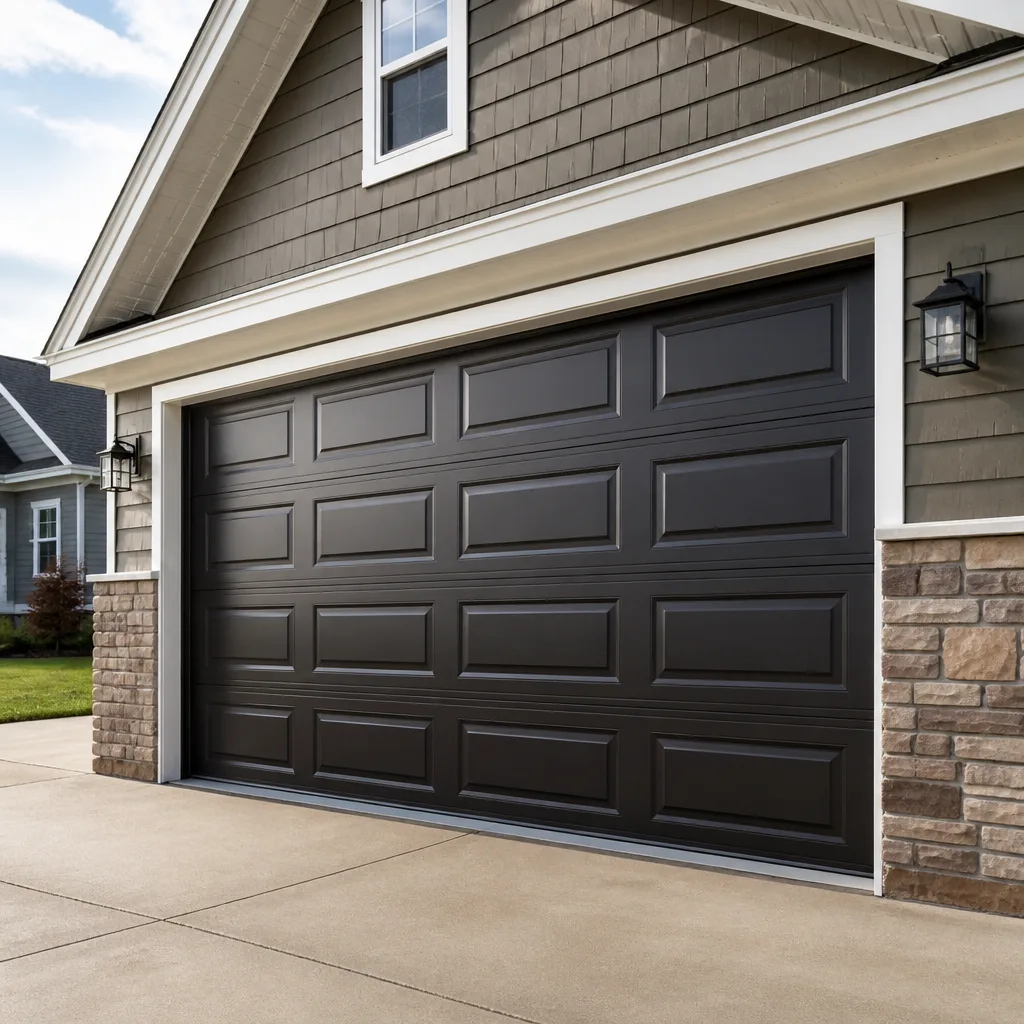 Raised-panel steel
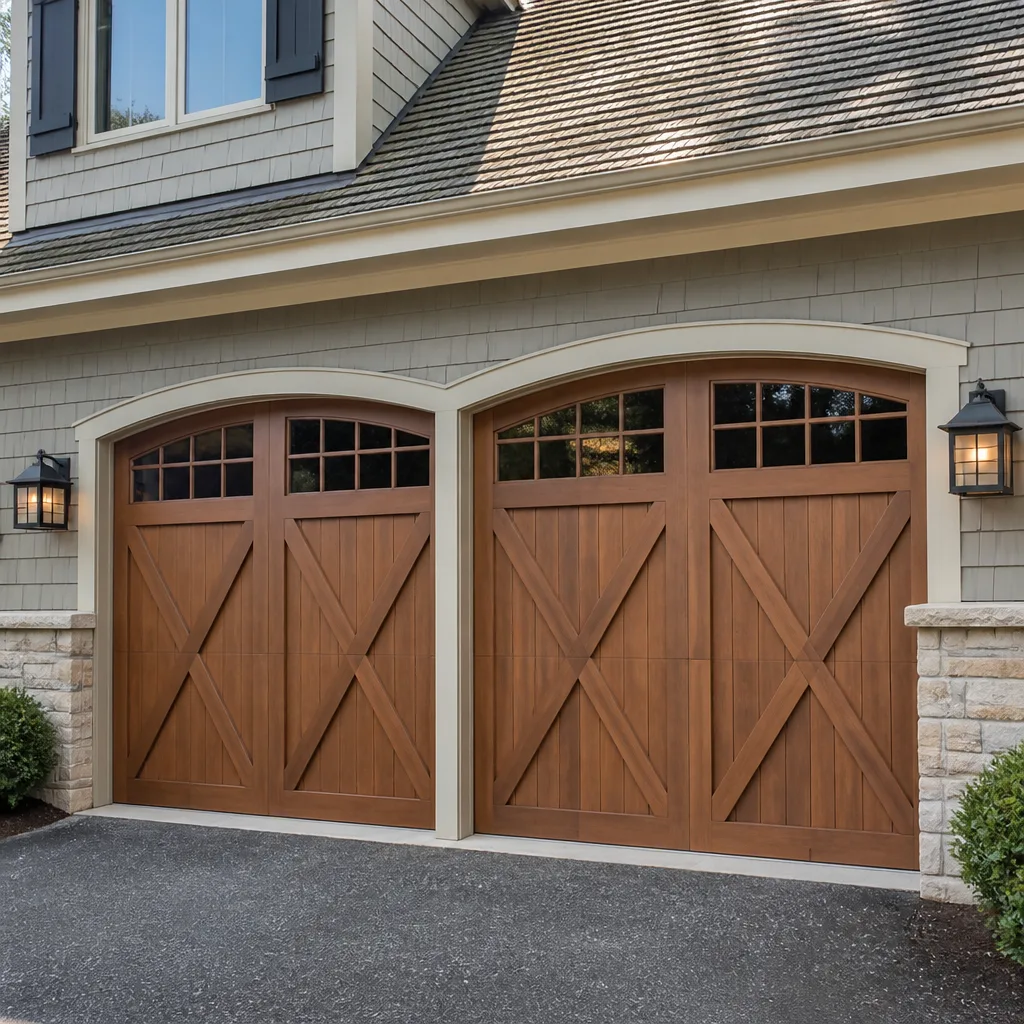 Carriage house
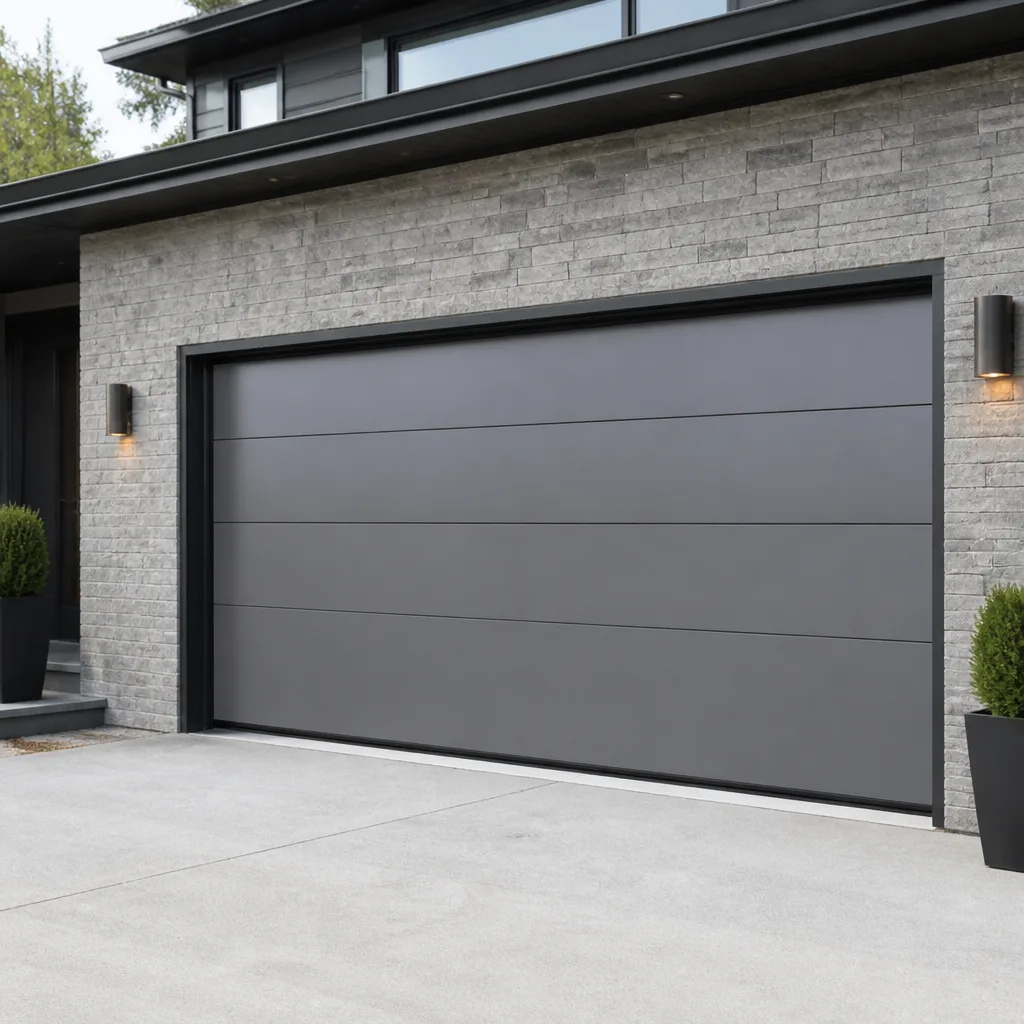 Modern flush
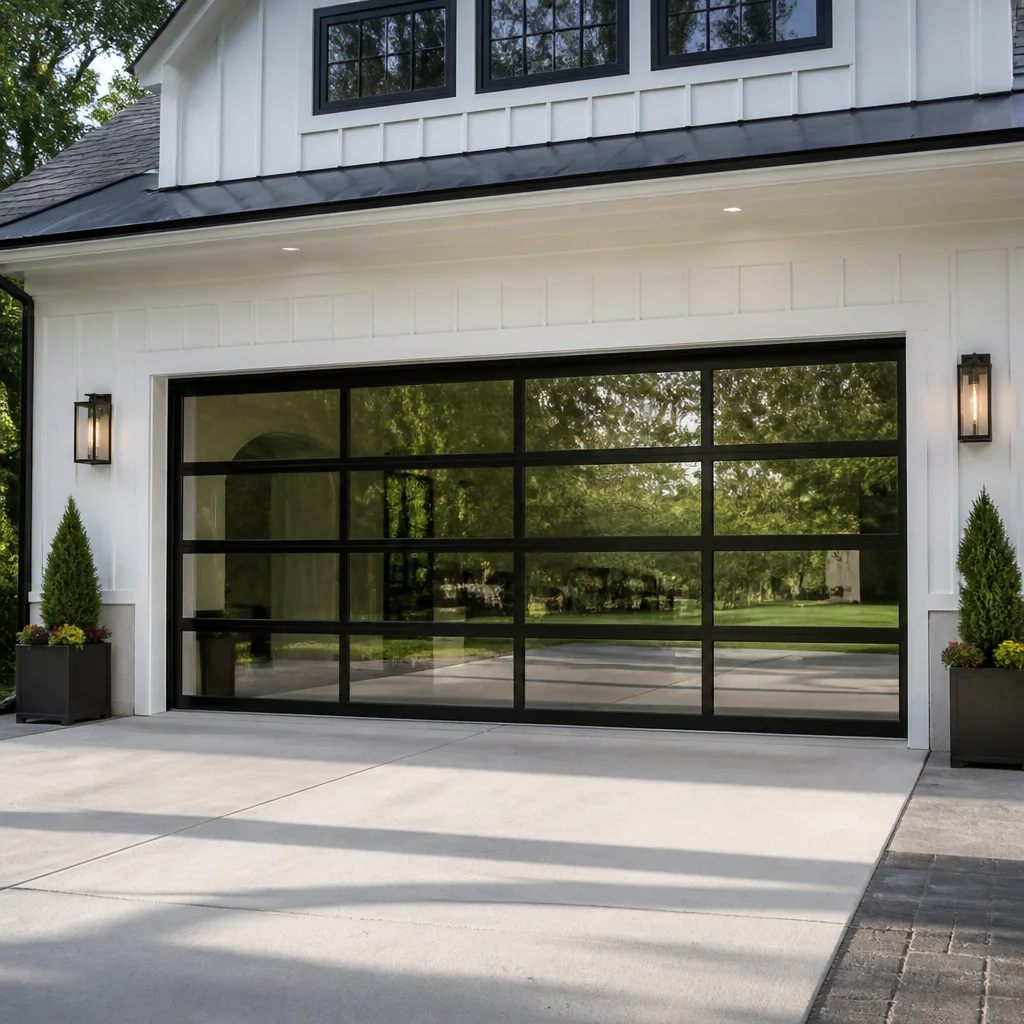 Full-view glass
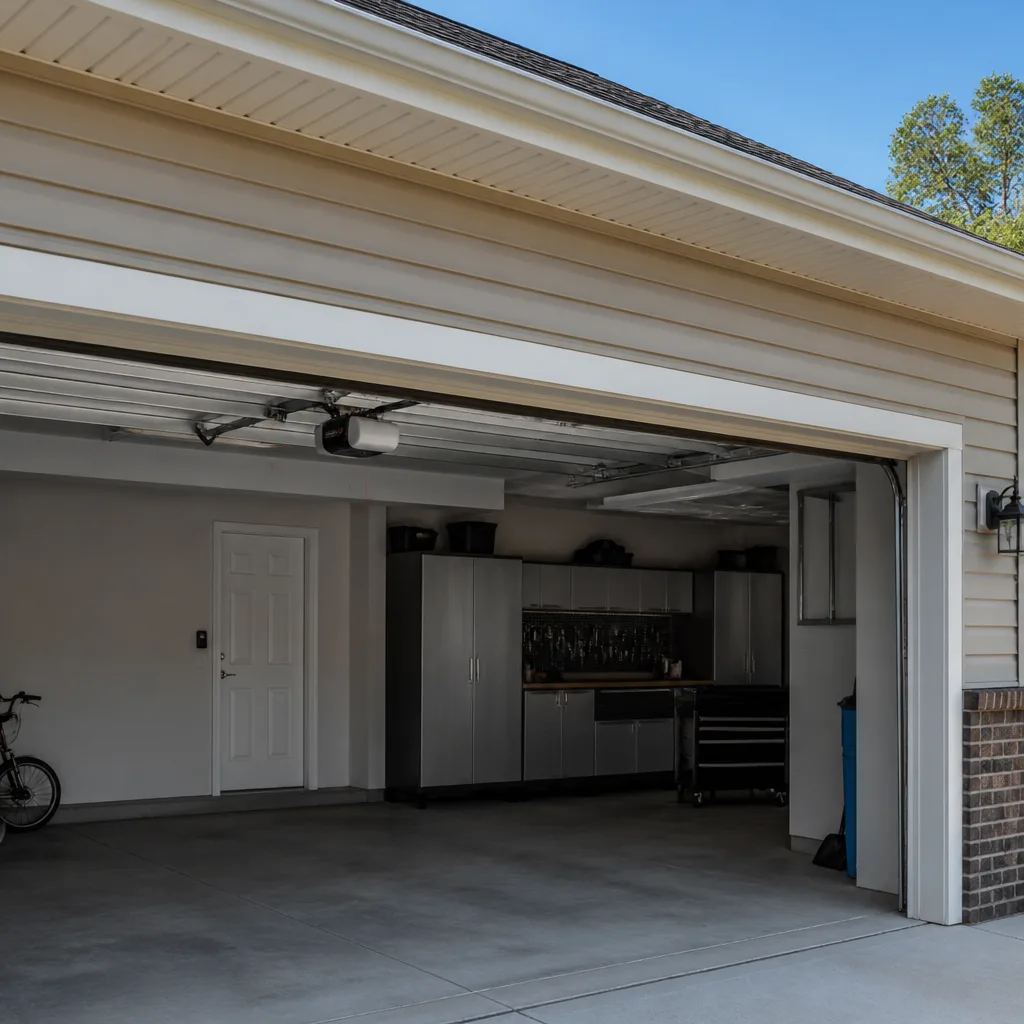 LiftMaster openers
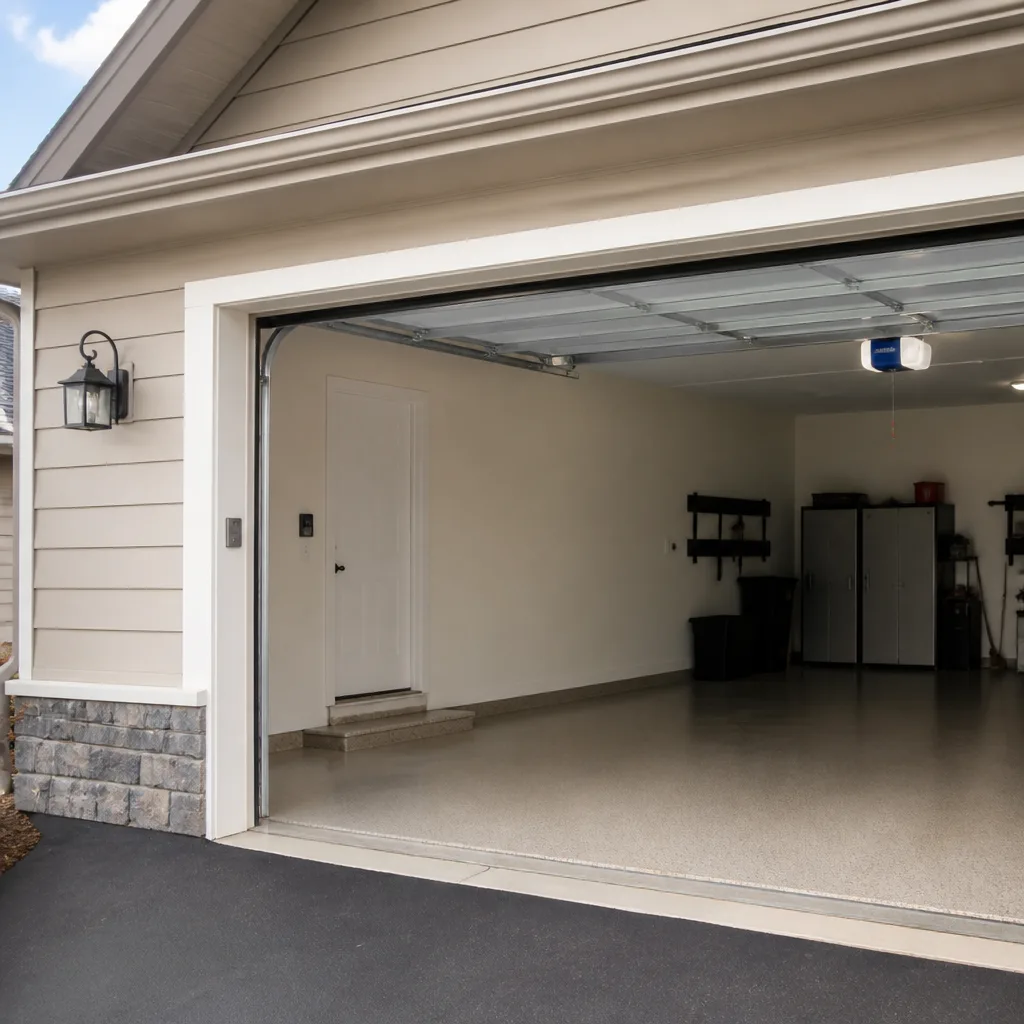 Chamberlain openers
Full 25-point door and opener safety check with every visit - springs, cables, rollers, tracks, and your LiftMaster or Chamberlain opener included
You get a price before we start. It does not change when the pro arrives.
Get your free estimateSeasonal Garage Door Care for East Boston: Year-Round Homeowner’s Guide
Most homeowners treat garage door maintenance as a once-a-year chore, usually timed to whatever weekend the weather finally turns. That approach misses the real pattern. In East Boston, the call volume on garage door repairs climbs every January and every April, and it isn’t a coincidence. Those are the months when the freeze-thaw cycle finishes the job that a homeowner ignored the season before. A spring that felt fine in October can snap the first week temperatures drop below freezing; a seal that looked intact in November can bond to the concrete and tear itself apart by February. This guide walks through what each East Boston season actually does to your door and what to check before it does it, so you’re scheduling maintenance instead of reacting to a failure.
Quick Answer
Seasonal garage door care in East Boston comes down to four seasonal jobs: prep the seals and lubricate moving parts with low-temp grease before winter, inspect spring tension and cable ends each spring after the freeze-thaw cycle, check panel and sensor alignment through summer humidity and sun, and clear debris and test battery backup in fall before short days expose a dead unit. Doing those four things on a schedule prevents most emergency repairs, because the failures we see are almost always a small issue that had a whole season to get worse.
Styles & brands we work with
- Raised-panel steel
- Carriage house
- Modern flush
- Full-view glass
- LiftMaster openers
- Chamberlain openers
Table of Contents
- Why East Boston’s Seasons Break Garage Doors Differently
- Winter Prep: What to Do Before the First Hard Freeze
- When Ice Bonds the Bottom Seal to the Floor
- Spring Inspection: Reading the Damage Winter Left Behind
- Summer: Sun, Humidity, and Sensor Drift
- Fall: Debris, Battery Backup, and Closing the Loop
- The Month-by-Month Task Calendar
- Parts, Brands, and Doing It Yourself Safely
Why East Boston’s Seasons Break Garage Doors Differently
East Boston sits on a peninsula surrounded by water, which moderates temperatures somewhat, but the neighborhood still runs a full New England freeze-thaw cycle. That cycle is what wears a garage door out. Metal expands when it warms and contracts when it cools, and it does that dozens of times through a single winter. Wood panels absorb moisture in summer humidity and shrink in winter dryness. Rubber seals stay flexible in October and turn brittle by January. None of these changes happen overnight, which is exactly why they’re easy to miss until something gives.
The East Boston housing stock adds its own wrinkle. A lot of the neighborhood’s garages are older, detached structures, often unheated, sometimes tucked under a triple-decker or set at the back of a narrow lot off a tight alley. Unheated garages swing wider in temperature than heated ones, which puts more stress on springs and seals. Older doors may be running original hardware that has already been through many winters. A door like that doesn’t need less maintenance than a new one; it needs more attention to the parts that wear.
The four failure modes break down like this:
- Spring: expansion stress after the freeze cycle, which is when tensioned springs are most likely to fail.
- Wood panels: summer humidity swells the wood, and winter dryness shrinks it back, stressing joints and hardware.
- Track and rollers: fall debris and grit work into the track and grind the rollers down over months.
- Everything deferred: winter is when problems ignored in other seasons become emergencies, because cold makes them fail faster.
If you understand that pattern, seasonal care stops being a generic checklist and becomes a targeted response to what this climate actually does. We work on garage doors across East Boston, from Jeffries Point to Orient Heights, and the seasonal pattern holds whether the door is a modern LiftMaster-operated steel model or an older wood door on a Craftsman opener.
Winter Prep: What to Do Before the First Hard Freeze
Winter prep is the highest-value seasonal work you’ll do all year, and it needs to happen before temperatures drop to freezing, not after. Once it’s cold, certain jobs become harder or unsafe to do yourself. The goal is to get every flexible part flexible and every moving part lubricated while conditions still allow it.
- Replace the threshold seal. The bottom seal (also called the threshold or weather seal) is the rubber strip along the bottom of the door. If it’s cracked, stiff, or missing chunks, replace it now. A worn seal lets cold air and moisture in, and once it’s frozen to the concrete it can tear free the next time the door opens.
- Lubricate springs and hinges with low-temp grease. Standard grease thickens in cold and can make a door sluggish. Use a low-temperature grease rated for below 0°F on springs, hinges, and rollers. A light coat is enough; too much collects grit.
- Check the door balance. Disconnect the opener and lift the door halfway by hand. It should stay put. If it drifts down or feels heavy, the springs are losing tension and should be checked before winter stress finishes them off.
- Inspect weatherstripping around the frame. Gaps at the sides and top let in drafts and moisture. Replace worn strips while it’s still warm enough for the adhesive or fasteners to seat properly.
- Clear the tracks. Grit and debris in the track freeze in place and can stop the door mid-travel. Wipe the tracks clean and check that the door runs smoothly the full length of travel.
One caution here: spring work is genuinely dangerous. A tensioned torsion or extension spring stores a lot of energy, and a spring that lets go can cause serious injury. We handle garage door repair including spring replacement safely, and we recommend leaving anything beyond a visual check to a trained technician. Lubricating and inspecting are things a careful homeowner can do. Adjusting or replacing springs is not.
When Ice Bonds the Bottom Seal to the Floor
This is the East Boston winter problem that surprises people most: the bottom seal freezes to the concrete floor overnight, and the next time the door opens, the opener pulls the seal loose or tears it. The door may open a few inches and then stall, or the seal may rip right off the bottom panel. Neither is a good outcome, and both are preventable.
Ice bonding happens when moisture gets between the seal and the floor and then freezes. It’s more common on doors that face a shaded driveway or sit on a slab that stays cold through the day. A few things reduce the risk:
- Keep the seal clean and dry. A seal with debris trapped under it holds moisture against the floor.
- Make sure the seal actually contacts the floor evenly. A gap on one side lets cold air pool and freeze.
- If ice is already bonding the seal, don’t force the door. Run the opener and let it stop if it meets resistance; forcing it can damage the opener or tear the seal further.
If your door regularly freezes shut, the seal is probably worn or the door isn’t closing evenly, and that’s worth a professional look. A technician can check the seal, the bottom panel, and the door’s travel so it seats properly. That’s part of what our East Boston Garage Door Repair service covers.
Spring Inspection: Reading the Damage Winter Left Behind
Spring is when the freeze-thaw cycle’s damage becomes visible. All winter the door’s metal parts expanded and contracted, springs held tension through cold snaps, and cables flexed under load. By the time things warm up, small problems show up as noise, uneven travel, or a door that suddenly feels heavy. April is a peak month for spring repairs for exactly this reason.
Here’s what to check each spring, and what each symptom means:
- Listen to the door. A door that ran quiet in fall but groans or pops in spring has a lubrication or hardware issue. Sometimes it’s just dry hinges; sometimes it’s a sign a spring is losing tension.
- Check spring tension. Look at the springs above the door. Extension springs should look even; torsion springs should be wound symmetrically. A visible gap, a stretched spring, or a door that won’t stay up on its own means the springs need professional attention. Don’t attempt to adjust torsion springs yourself.
- Inspect cable ends for fraying. Cables run along the sides of the door and connect to the bottom bracket. Cold makes cables brittle, and frayed strands at the ends are a warning sign. A frayed cable can snap and is a genuine safety risk; if you see fraying, stop using the door and have it looked at.
- Test the auto-reverse. Put a piece of wood flat on the floor under the door and close it. The door should reverse on contact. If it doesn’t, the opener’s safety setting needs adjusting.
- Check the photo-eye sensors. These are the two small sensors near the floor on each side of the door. Wipe them clean and confirm the indicator lights are steady. Misaligned sensors are a common spring issue after winter movement.
Spring inspection is mostly about recognizing when something is wrong so you can call before it fails. We see a lot of doors in spring where a five-minute check would have caught a cable problem months earlier. If your garage door opener repair needs attention, or the door itself is running rough, that’s the time to get it looked at.
Summer: Sun, Humidity, and Sensor Drift
Summer is the season people think least about their garage door, but it’s when two specific things happen. The first is heat expansion. A metal door in direct sun, especially one facing southwest, heats up through the afternoon and the panels expand. That expansion can throw off alignment and put stress on the hinges and rollers. On a wood door, humidity swells the panels, which can bind the door in its tracks or stress the joints.
The second summer issue is sensor drift. Photo-eye sensors are sensitive to alignment, and heat expansion, vibration from the door, or a bump can knock them out of line. A door that closes fine in the morning but reverses partway down in the afternoon heat often has a sensor problem, not a mechanical one.
What to check in summer:
- Run the door through a full cycle in the heat of the day, not just in the morning. That’s when expansion is greatest and problems show up.
- Look at panel alignment. If a panel looks slightly out of line with its neighbor, or the door rubs the track on one side, expansion may be the cause.
- Wipe the sensors and check the lights. A steady light on each sensor means they’re aligned and working.
- Check wood doors for swelling. If a wood door starts to bind in humid weather, the panels have absorbed moisture and may need the track adjusted or the door serviced.
Modern openers like LiftMaster and Chamberlain models with smart-home features also benefit from a summer check, since the app-dependent functions (remote monitoring, alerts) are only as reliable as the sensor alignment behind them. A quick garage door opener repair call can sort out a sensor or logic board issue before it becomes a habit.
Fall: Debris, Battery Backup, and Closing the Loop
Fall is the season to close the loop on everything summer left behind. Leaves, grit, and small debris work their way into the track and the bottom seal, and if you don’t clear them before the first freeze, they freeze in place and cause the ice-bonding problem described earlier. Fall is also when short days make a dead battery backup obvious, usually at the worst possible time.
- Clear the bottom seal and track. Sweep or vacuum out leaves, grit, and debris from the bottom seal and the tracks. Do this before the first hard freeze so nothing freezes in place.
- Test the battery backup. If your opener has a battery backup, unplug the opener and run the door on battery power. If it doesn’t operate, replace the battery now, before a power outage leaves you locked out on a dark evening.
- Lubricate again. A fall lubrication pass with low-temp grease preps the door for the cold months ahead, especially the springs, hinges, and rollers.
- Check the door balance and auto-reverse again. Doors that passed in spring can drift out of balance by fall. A quick balance and reverse test catches problems before winter stress makes them worse.
- Clear the area around the door. Debris and snow piled against the door can block travel and damage the seal.
Fall is also a good time to think about a garage door installation if your current door has been patched together through several winters. An older door that needs constant repair may cost more over time than a replacement, and fall is the right season to schedule a measure and a written quote before the cold sets in.
The Month-by-Month Task Calendar
This calendar ties each task to the East Boston climate pattern rather than a generic season. The exact timing shifts with the weather, but the sequence holds year to year.
| Month | Task | Why It Matters in East Boston |
|---|---|---|
| September | Clear debris, check seal, test battery backup | Debris cleared before the freeze won’t freeze in place. |
| October | Replace worn threshold seal, lubricate with low-temp grease, check balance | Last window to work on flexible parts before cold makes them brittle. |
| November | Final lubrication pass, clear tracks, test auto-reverse | Preps the door for the first hard freeze. |
| December-February | Monitor for ice bonding, run the door gently, don’t force a frozen seal | Peak failure months; catch problems early. |
| March | Inspect cables and spring tension after the freeze cycle | Cold brittleness shows up as fraying and weak springs. |
| April | Full spring inspection, sensor check, balance and reverse test | The peak month for spring and cable repairs. |
| May-June | Check panel alignment and sensors through heat expansion | Sun and humidity stress panels and sensors. |
| July-August | Run a full cycle in the heat of the day, wipe sensors, watch wood doors for swelling | Expansion and humidity are greatest in summer. |
Two months to remember above all the others: January and April. January is when deferred problems fail; April is when the freeze-thaw cycle’s damage becomes visible. If you do nothing else, do a full inspection in April and a prep pass in October. Everything else is a bonus.
Parts, Brands, and Doing It Yourself Safely
A lot of seasonal care comes down to a few parts: the threshold seal, the grease, maybe a battery for the opener. If you’re comfortable doing that work, you can source the components directly and handle the smaller jobs yourself. We supply garage door parts as a standalone service, so homeowners and DIYers can get the components without booking a labor call.
When it comes to brands, it helps to know what you’re working with. The seasonal failure modes are the same across most systems, but the parts and the adjustment procedures differ. We work on LiftMaster, Chamberlain, Genie, Clopay, Amarr, Wayne Dalton, Craftsman, and Raynor systems, so whatever nameplate is on your door, you’re not shut out of parts or service because of the brand. An older Craftsman opener and a newer LiftMaster smart opener both need sensor alignment checks, but the diagnostics are different. A wood Clopay door swells in humidity; a steel door expands in sun. Knowing the difference saves time.
Here’s where DIY stops being a good idea, regardless of brand:
- Springs. A tensioned spring is the most dangerous part of a garage door. Adjusting or replacing one without the right tools and training can cause serious injury. Leave it to a technician.
- Cables. A frayed or loose cable can snap under tension. Don’t try to re-tension or repair cables yourself.
- Track realignment after a major issue. If the door came off the track or a panel is badly warped, that’s a professional repair.
For everything else, parts are available and the smaller jobs are within reach. If you’re unsure whether a job is safe to do yourself, call and ask; we’ll tell you straight whether it’s a DIY job or a technician call. That’s the same approach we take with repairs: we’ll tell you whether to repair or replace, whichever one actually makes sense.
Common Mistakes to Avoid
- Waiting until it breaks to think about it. The January and April spikes happen because problems get a full season to worsen. A quick October and April check catches most of them.
- Using standard grease in winter. Thick grease stiffens in cold and makes the door sluggish. Use low-temp grease rated for below 0°F.
- Forcing a frozen seal. Running the opener when the seal is bonded to the floor can tear the seal or damage the opener. Clear ice first or call for help.
- Skipping the battery backup test. Short fall days reveal a dead backup battery at the worst time. Test it in fall, not after the power goes out.
- Letting debris freeze in the track. Leaves and grit left in the track in fall freeze in place and stop the door mid-travel. Clear them before the first freeze.
- Adjusting springs or cables yourself. These are the highest-risk jobs on a garage door. A mistake can cause serious injury. Leave them to a trained technician.
- Ignoring a wood door that binds in humid weather. Swelling panels stress the joints and track. Addressing it in summer prevents winter problems.
See the difference
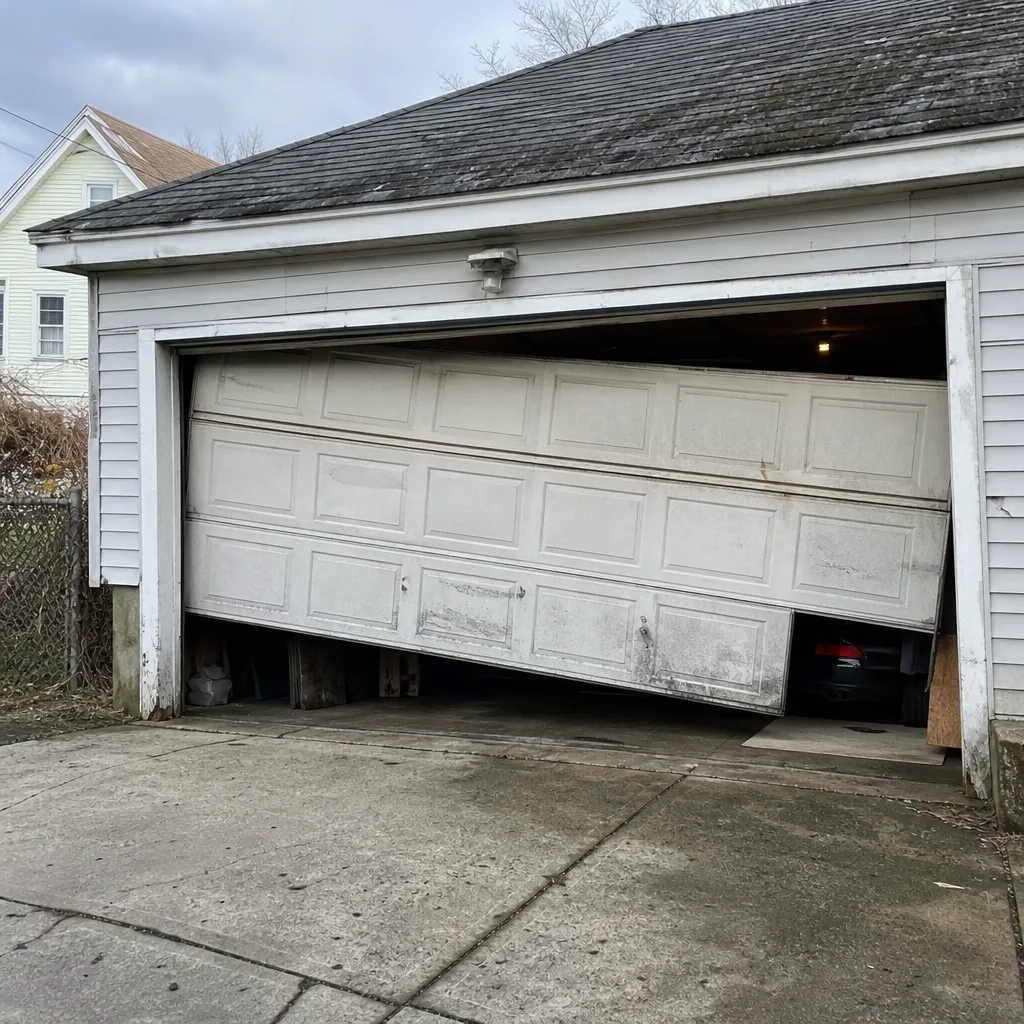 Before
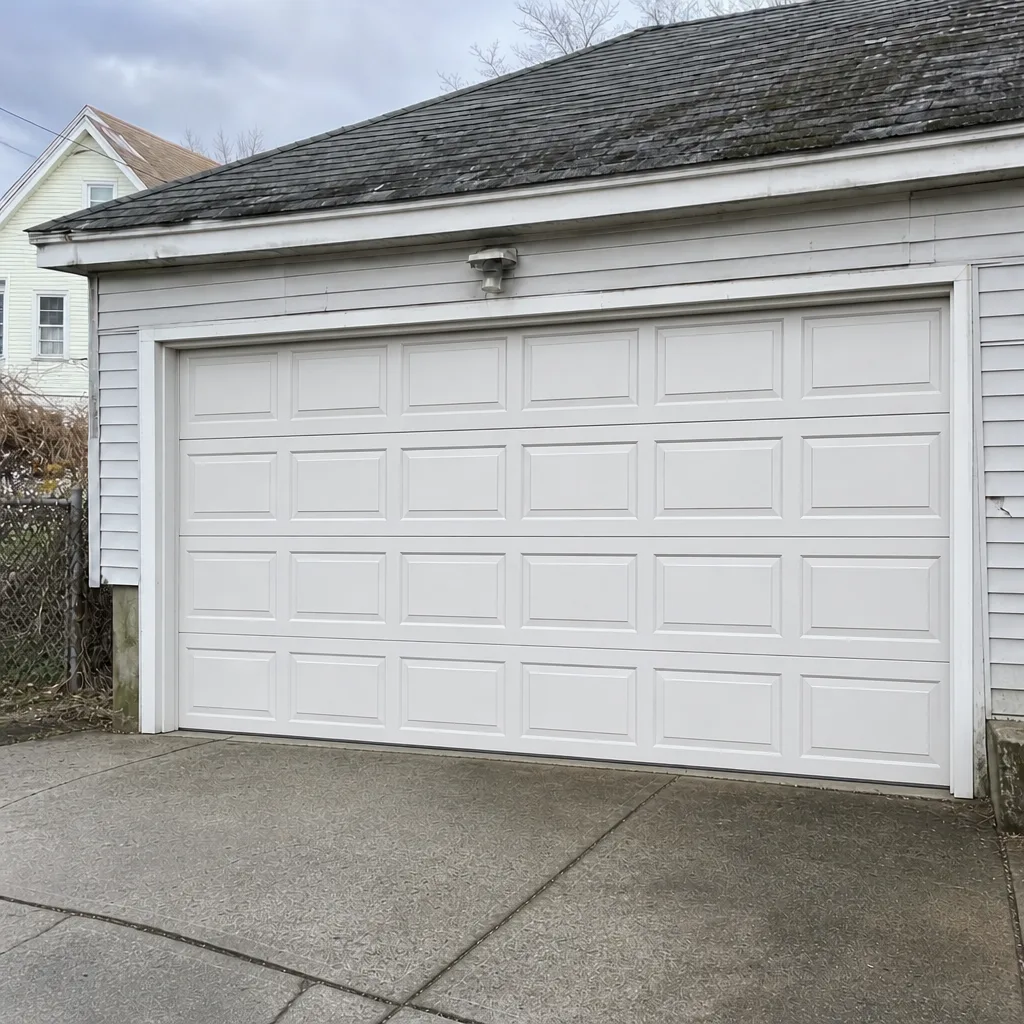 After
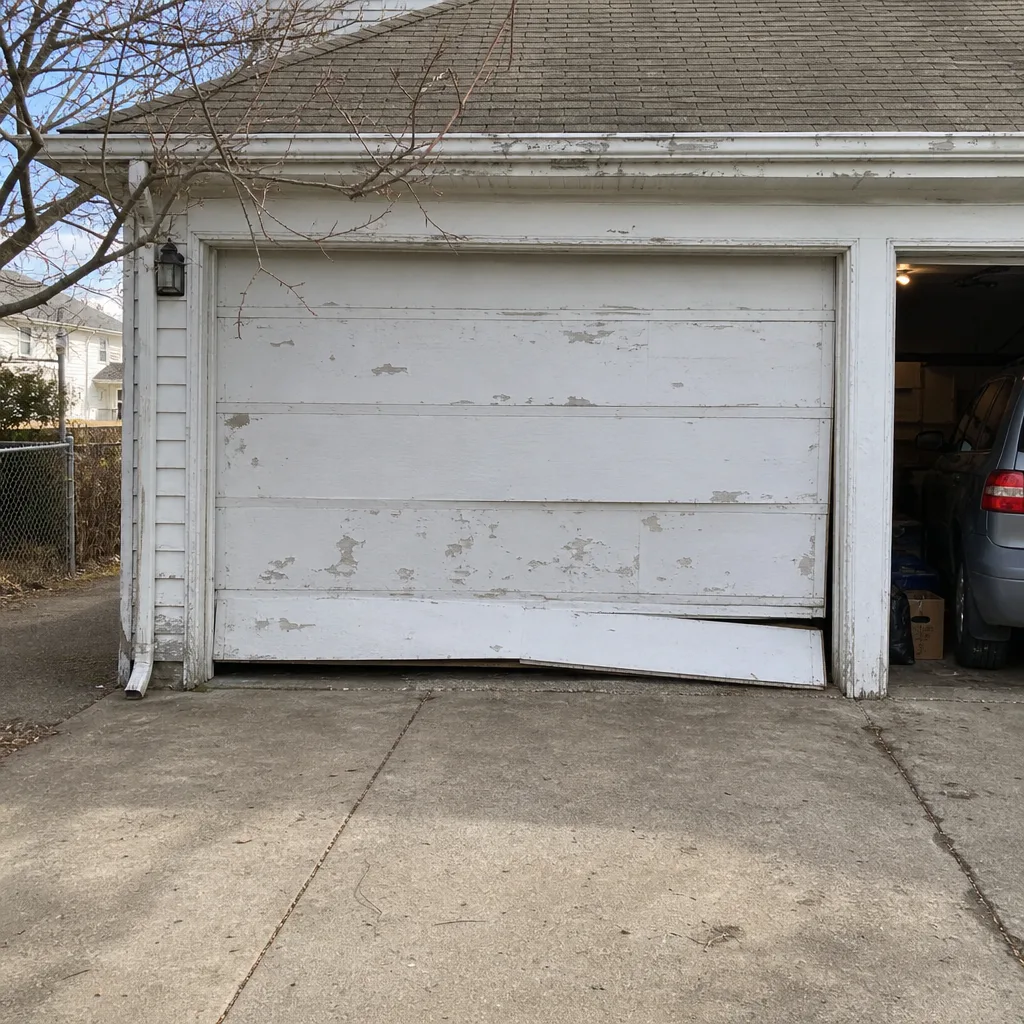 Before
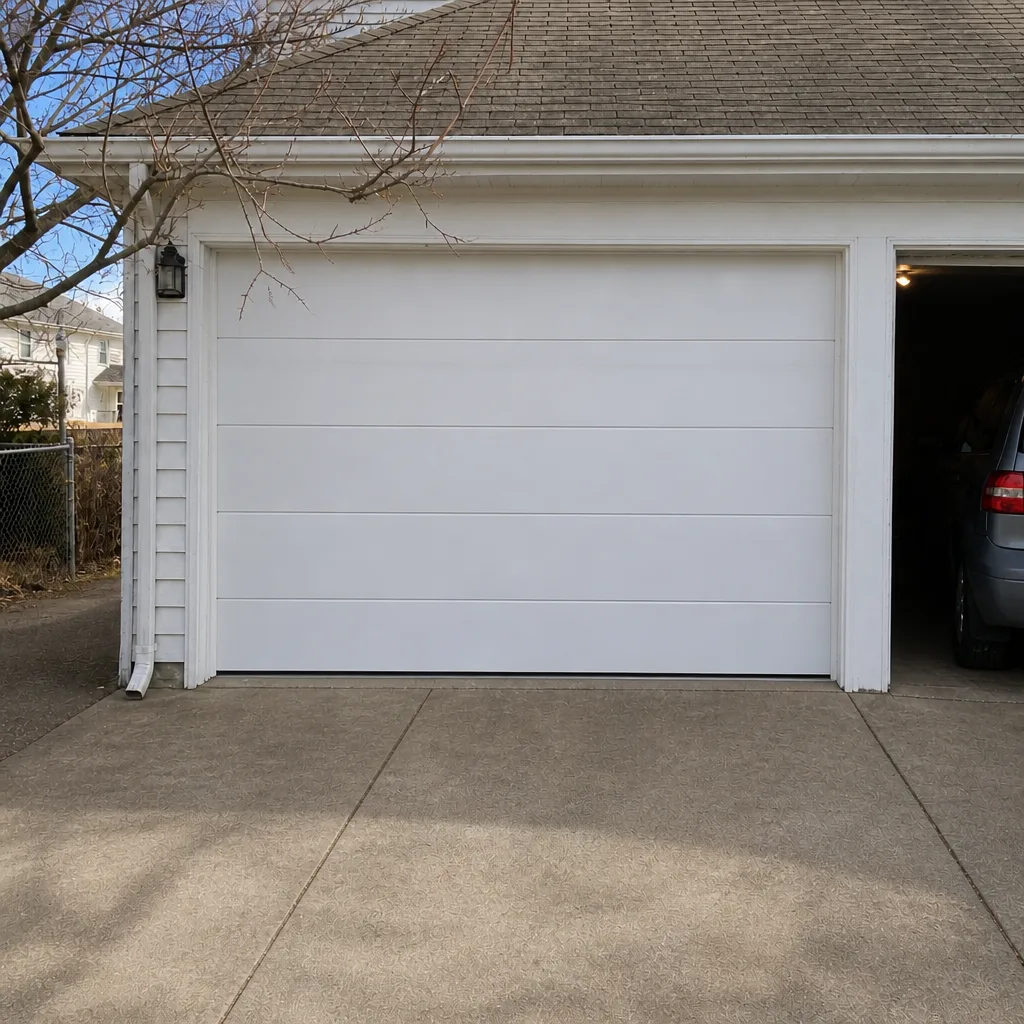 After
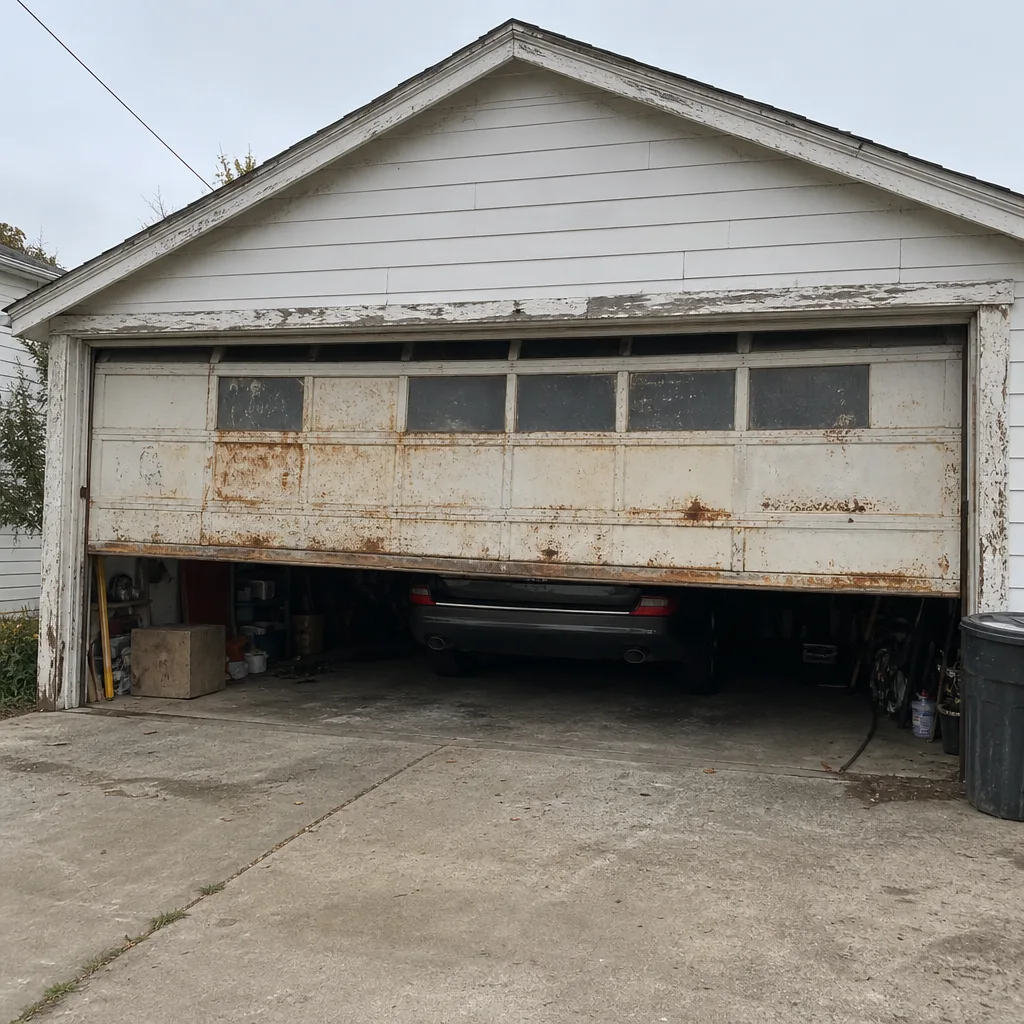 Before
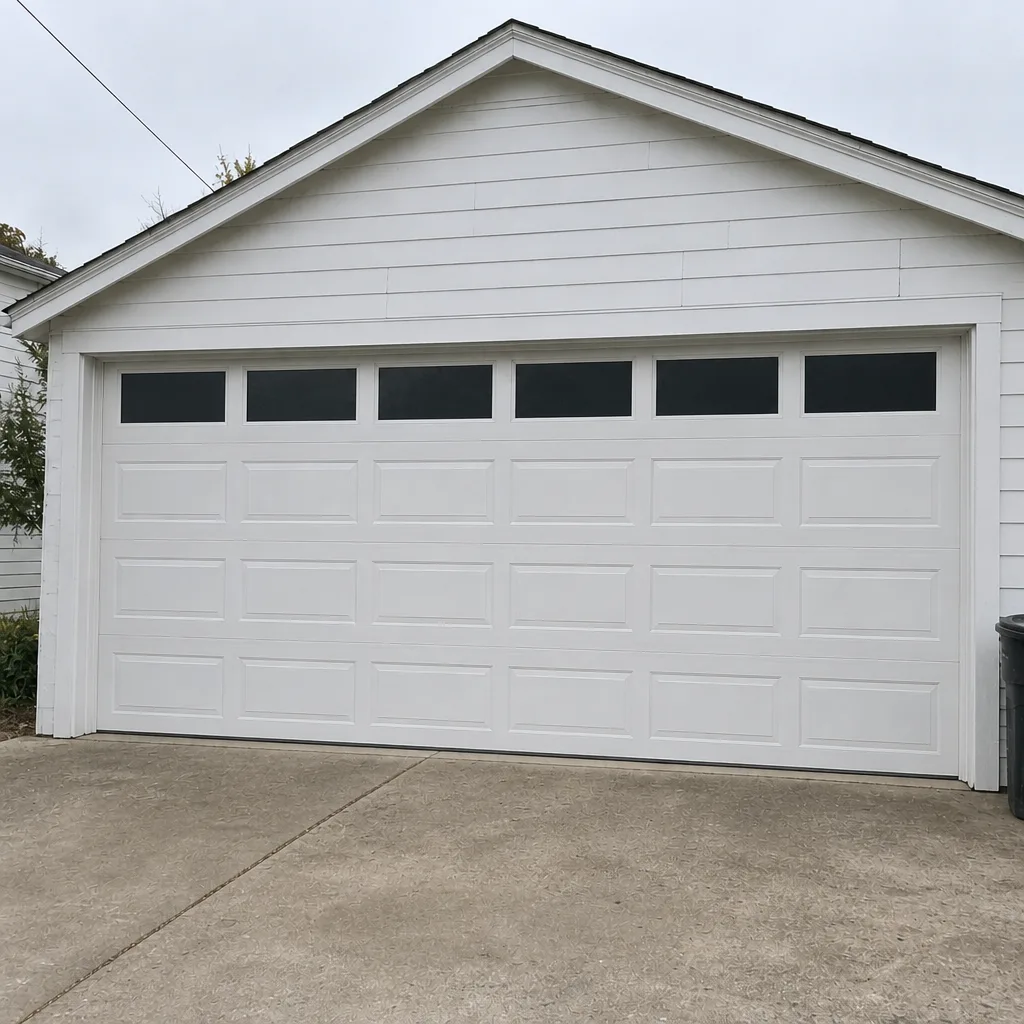 After
When to Call a Professional
Most seasonal care is within reach for a careful homeowner. A few situations call for a professional. Call us if your door won’t stay up on its own, if you see frayed cables or a visibly stretched spring, if the door came off its track, if the opener runs but the door doesn’t move, or if ice bonding has already torn your seal. Any of those can point to a spring or cable problem, and those are the jobs where a mistake does real damage. If you’re unsure whether a job is safe, that’s reason enough to call. East Boston Garage Door Repair offers free estimates in East Boston, and we can quote the job before any work starts. Our technicians have up to 15 years of experience, and we’ll tell you whether the fix is a repair or a replacement before we touch anything. Call (877) 367-9149.
Frequently Asked Questions
Twice a year: once in fall before the freeze and once in spring after it. Those two visits line up with the two peak repair months, January and April, and they catch the problems that cause emergency calls. If your door gets heavy use or is older, a mid-summer check is a good addition.
It freezes shut because moisture between the bottom seal and the concrete floor freezes and bonds the two together. Worn or uneven seals make it worse. The fix is a clean, properly seated seal, and if it keeps happening, a professional check of the seal and door travel.
Yes, as long as you’re only applying low-temp grease and not adjusting tension. Lubricating tensioned springs is one of the safer seasonal tasks. Adjusting or replacing a spring is not; that’s the job for a trained technician because of the stored energy in the spring.
January is when deferred problems finally fail under cold stress, and April is when the freeze-thaw cycle’s damage becomes visible as frayed cables and weak springs. Both months are the tail end of a season that put stress on the door, so failures cluster there.
The clearest signs are a door that won’t stay up on its own, a visible gap or stretch in the spring, or a door that suddenly feels much heavier. If you see any of those, stop using the door and have it checked before it fails.
Yes. We supply garage door parts as a standalone service, so you can source components like seals, rollers, and batteries directly without booking a labor call. If you’re not sure which part you need, call and we’ll point you to the right one.
The Bottom Line
Seasonal care in East Boston isn’t a generic checklist; it’s a response to four specific pressures. Winter prep gets your seals and springs ready before the cold; spring inspection catches the damage the freeze cycle left behind; summer checks handle heat expansion and sensor drift; fall clears debris and tests the backup before short days expose it. Do the October and April passes and you’ll skip most of the January and April emergency calls. Do the full calendar and your door will run quieter, last longer, and give you fewer surprises. If a job feels risky, call us at (877) 367-9149 for a free estimate and a straight answer on repair versus replacement.
Written by the team at East Boston Garage Door Repair.