Last updated November 21, 2026
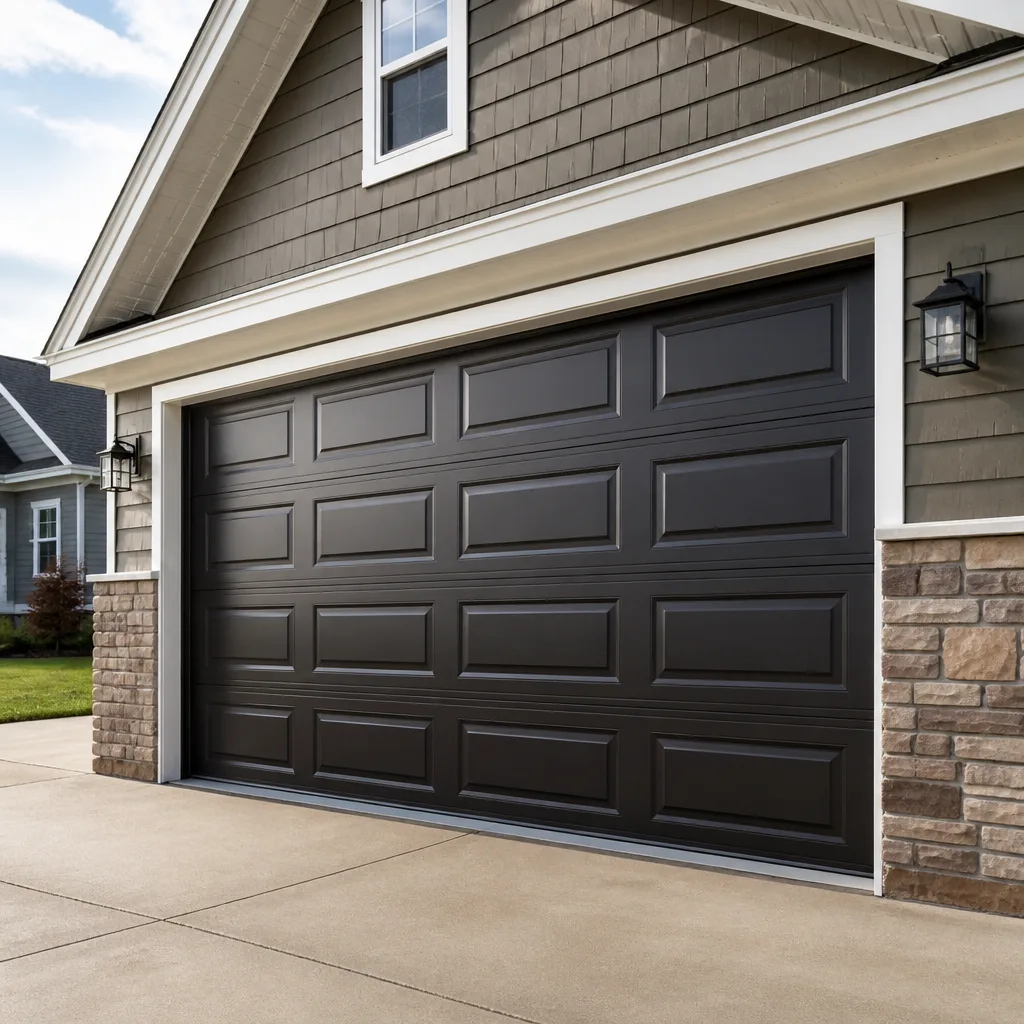 Raised-panel steel
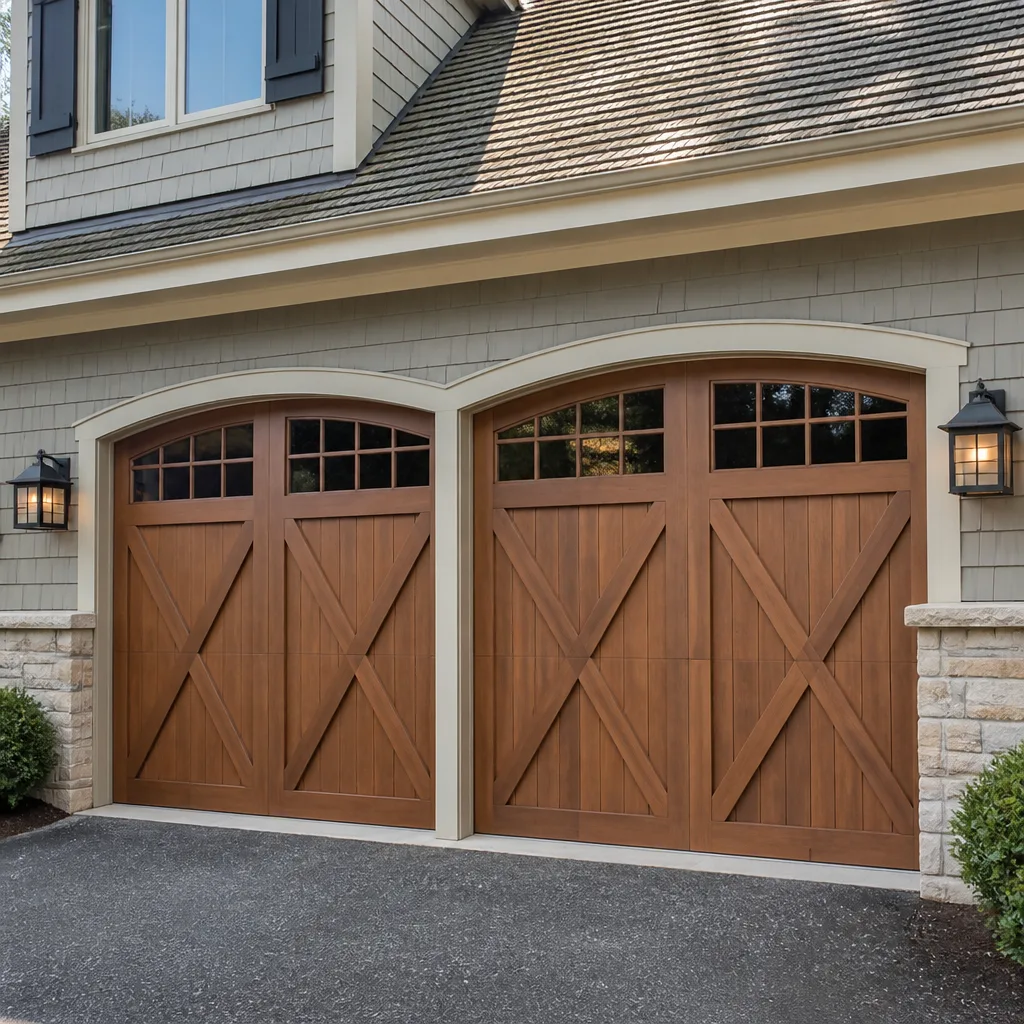 Carriage house
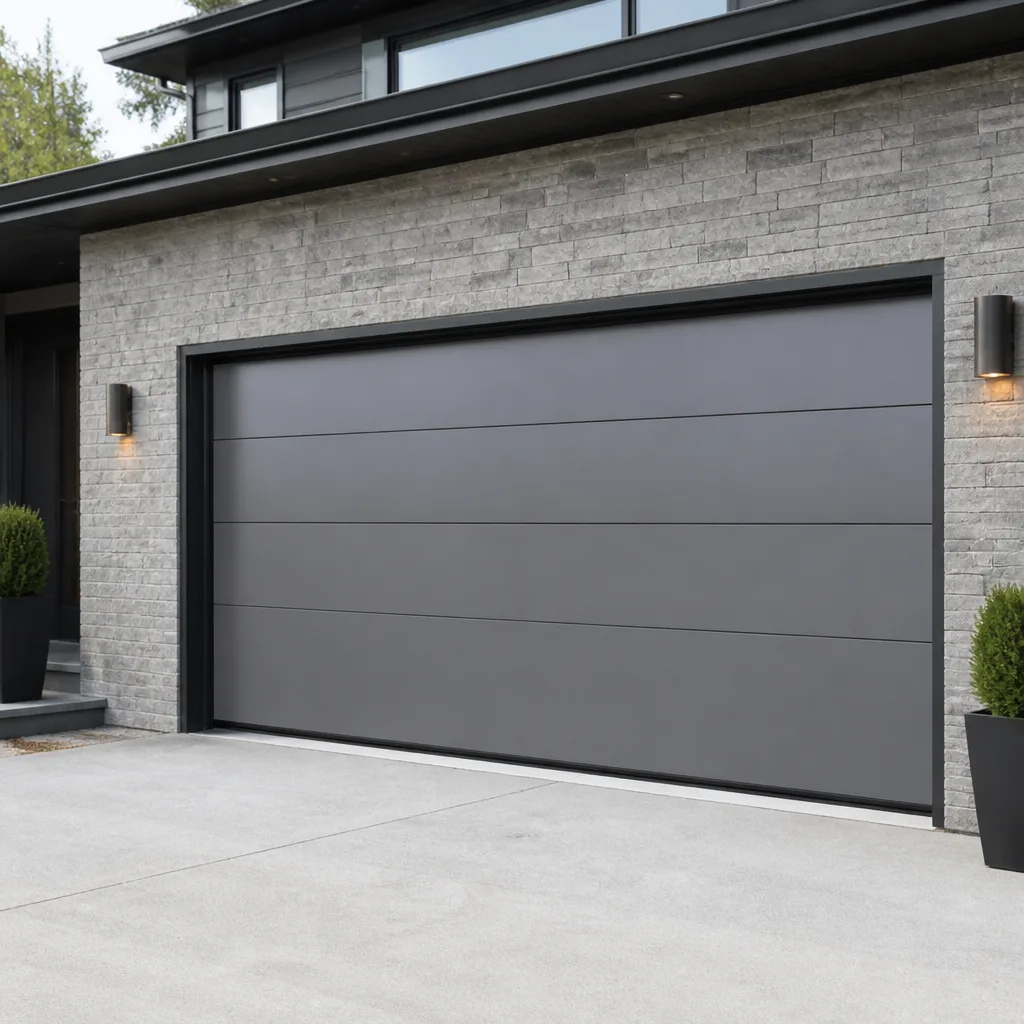 Modern flush
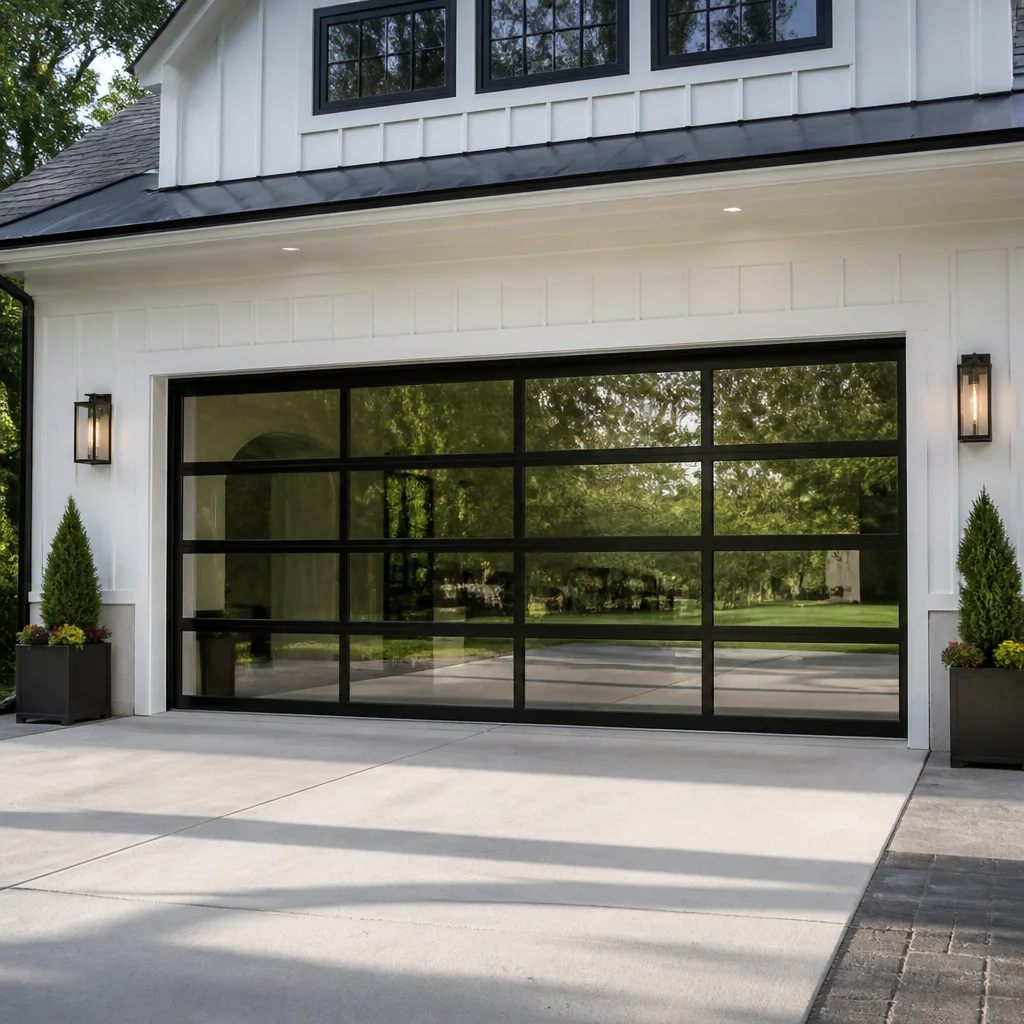 Full-view glass
 LiftMaster openers
 Chamberlain openers
Full 25-point door and opener safety check with every visit - springs, cables, rollers, tracks, and your LiftMaster or Chamberlain opener included
You get a price before we start. It does not change when the pro arrives.
Get your free estimateGarage Door Emergency Preparedness Guide for East Boston Homes
Most garage door advice is written for people with a wide suburban driveway, a spare car, and no rush. East Boston isn’t that place. Here, a door that won’t close at 6 AM can mean missing a shift at Logan, trapping a neighbor’s car behind a shared driveway, or leaving a bay open onto a street where you’d rather not. The counterintuitive point we want to make up front: the emergency is rarely the door itself. It’s the ten minutes after it fails, when you either know how to release it safely or you don’t. This guide covers the release, the stuck-open situation, the access quirks of East Boston streets, and the small kit that turns a panic into a plan.
Quick Answer
A garage door emergency in East Boston is best handled in this order: confirm nobody is under the door, disengage the opener with the manual release cord (pull straight down and toward the door, never at an angle), secure the opening if the door is stuck up, then call for repair. Doors stuck open or hanging off a track need a technician, not a second attempt. Springs and cables are never a homeowner job.
Styles & brands we work with
- Raised-panel steel
- Carriage house
- Modern flush
- Full-view glass
- LiftMaster openers
- Chamberlain openers
Table of Contents
- Why a Garage Door Emergency Hits Differently in East Boston
- How to Manually Disengage Your Opener (By Brand)
- What to Do When the Door Is Stuck Open
- East Boston Access: What to Tell the Technician
- Battery Backup and Nor’easter Power Cuts
- Build a 15-Minute Garage Emergency Kit
- Call Tonight or Wait Until Morning?
- Preventive Checks That Stop Most Emergencies
Why a Garage Door Emergency Hits Differently in East Boston
In a suburb, a broken garage door is an inconvenience with a wide margin for error. In East Boston, the margin is thin. Dense blocks around Maverick Square, Eagle Hill, and Orient Heights mean driveways are short, shared, or nonexistent, and many households treat the garage as the only reliable place to keep a car. Lose the door and you lose the parking spot, the exit route, and sometimes a neighbor’s access too.
Add the realities of the neighborhood and the stakes climb. Street parking rules are enforced, so a car that can’t get out of the garage doesn’t simply sit there quietly. Flights overhead from Logan run on a schedule, and plenty of East Boston residents work shifts tied to that schedule. A door that fails at the wrong hour can cost a day’s pay.
The housing stock matters too. Garages here range from newer builds with modern openers to older single-bay structures where the hardware has been patched over the years. We work on Chamberlain, Genie, Clopay, and Amarr systems regularly, and older installations often hide worn springs, frayed cables, or a misaligned track that a newer door would never tolerate.
What that means for you: preparation in East Boston is less about buying gadgets and more about knowing three things cold. How to release your specific opener. How to secure the opening if the door is stuck up. Who to call and what to tell them about your street. The rest of this guide walks through each one.
How to Manually Disengage Your Opener (By Brand)
Every opener has a manual release, and the release behaves differently depending on the brand and model. Pulling the cord the wrong way can jam the carriage, drop the door hard, or leave you unable to re-engage the opener later. If you learn one thing from this guide, make it this section.
On most residential openers, the release is a red cord with a handle hanging from the carriage on the rail. The correct motion is a firm, straight pull down and slightly toward the door. Don’t yank sideways, and don’t pull while the door is moving.
LiftMaster and Chamberlain
LiftMaster and Chamberlain units (they share a lot of engineering) typically use a trolley with a release that also functions as a lockout in some models. After you disengage, the carriage can slide freely, and on certain units the release lever stays in the unlocked position until you reset it manually. When you re-engage, close the door by hand first, then run the opener once so the carriage catches.
Genie
Genie openers often use a slightly different carriage design where the release cord pulls toward the motor head rather than straight down. Read the label on the carriage if you can see it; many Genie models print the release direction right on the trolley. If the cord feels stiff, don’t force it. A seized release usually means the carriage needs service, not more muscle.
Craftsman and Older Legacy Units
Older Craftsman openers and legacy chain-drive units can have a stiffer release, especially if the carriage hasn’t been disengaged in years. Pull smoothly and steadily. If it won’t budge, stop; forcing it can bend the release arm and turn a small repair into a carriage replacement.
One safety note before any of this: never disengage the opener while the door is under tension from a broken spring. If you hear a loud bang and the door suddenly feels extremely heavy or won’t lift evenly, stop and call a technician. A door with a failed spring can come down fast, and the release doesn’t make it safe. Our garage door repair team handles those calls regularly, and it’s not a job for a homeowner.
What to Do When the Door Is Stuck Open
A door stuck open is the most common overnight emergency we hear about, and it’s almost always more about security than mechanics. Your first job is to close the opening, not fix the door. Your second is to decide whether it’s a tonight problem or a morning problem.
Here’s the sequence we recommend, in order:
- Confirm the door is stable. If it’s off the track, hanging at an angle, or resting on one side, don’t touch it. Secure the space from the inside and call.
- Try the manual release. With the opener disengaged, many doors can be lowered by hand to the closed position. Lower it slowly and keep hands clear of the hinges and the gap between sections.
- Lock it manually if it will close. A closed door without a working opener can usually be locked with the slide bolt or latch on the inside track, or by placing a locking bar or clamp in the track above a roller on each side.
- If it won’t close, secure the opening. Park a vehicle close to the opening, use a heavy bar or board across the inside of the frame, and turn on exterior lighting if you have it.
- Call for repair. A door that won’t close by hand has a mechanical problem that won’t resolve itself overnight.
One detail specific to East Boston: a stuck-open door on a shared driveway affects more than your household. If you share a bay or a rear access route with neighbors, let them know early so nobody gets boxed in. It’s a small courtesy that prevents a lot of friction on a tight block.
On the “who to call” question, there’s a real difference between a 10 PM emergency and a morning problem. If the door is secure and nobody is trapped, waiting until morning is usually fine and often cheaper. If the opening can’t be secured, a car is trapped, or the door is hanging dangerously, call that night.
East Boston Access: What to Tell the Technician
East Boston garages are often harder to reach than the door itself. Telling the technician the right things on the phone saves a wasted trip and gets your door fixed faster. This is one place where local knowledge genuinely matters, and it’s a big part of how we approach garage door opener repair in the neighborhood.
Here’s what to have ready when you call:
- Street access. Is your driveway off an alley, a narrow side street, or a shared rear access? Is there room for a service vehicle to pull in, or will the technician need to work from the street?
- Clearance. Many East Boston driveways are tight. Mention if the approach is narrow, sloped, or partially blocked so the technician can plan for a smaller vehicle or a longer carry.
- Parking restrictions. If your street has permit parking or time-limited zones, say so. It’s easier to plan around than to discover on arrival.
- Noise windows. If your building or block has quiet hours, or if the noise of a repair would be a problem at a certain time, mention it when you book. We can plan around it.
- Shared access. If you share a driveway with neighbors, tell us. It affects where the vehicle goes and how the work is staged.
The flight path matters more than people expect. East Boston sits directly under Logan’s approach and departure routes, and the busiest windows of the day can make conversation and diagnostics harder. It’s not a reason to delay a repair, but it’s useful context, especially for a longer job like a spring replacement.
Battery Backup and Nor’easter Power Cuts
Battery backup is the single most useful upgrade for an East Boston garage, and it’s the one most homeowners skip until the first nor’easter knocks the power out and they can’t get the car out of the garage. When the grid goes down, a standard opener is dead, and you’re back to the manual release in the dark.
Which openers support it natively:
- LiftMaster and Chamberlain – many current models support a battery backup either built in or as a manufacturer add-on. Check the model number on the motor head.
- Genie – several Genie models offer a backup option, and the compatibility varies by model year, so it’s worth confirming before you buy anything.
- Craftsman and legacy units – older openers generally don’t support native backup and may need a separate solution or a full opener replacement.
If you’re not sure what you have, tell us the model number when you call and we’ll tell you whether a backup is available for it. It’s a quick answer, and it’s better than buying the wrong part.
For homes with a single shared driveway or a car that’s the household’s only vehicle, backup stops being optional. A dead opener in a nor’easter means no car, no errands, and a manual release in the middle of a storm. It’s the cheapest insurance against a repeat emergency. If your opener is aging out anyway, this is one of the reasons we sometimes recommend replacement over repair, and we’ll tell you which one actually makes sense for your situation.
Build a 15-Minute Garage Emergency Kit
A small, well-chosen kit turns a midnight scramble into a ten-minute fix. You don’t need much, and everything fits in a shoebox on a shelf near the door. Here’s what we recommend for East Boston homes:
- Manual release key or handle. Some openers use a keyed release; keep the key where you can reach it without power. A small hook or handle on the release cord makes a stiff pull easier.
- Spare remote. One remote in the car, one on the key ring, one on the shelf. If you have a keypad, write down the code somewhere safe (not on the keypad).
- Bottom seal tape or a seal patch. A torn bottom seal is a common failure that lets weather and pests in. A heavy-duty seal patch buys you time until it’s replaced.
- A locking bar or clamp. This is the one tool that lets you secure a door manually when the opener fails. A pair of C-clamps or a slide bolt in the track above a roller will hold a closed door in place.
- A flashlight and spare batteries. Obvious, and the thing everyone forgets.
- The manual for your opener. Print it or save it to your phone. The model number and release instructions are in there, and you’ll want them fast.
That’s the whole kit. The clamp and the spare remote do most of the work. If you’d rather not source the parts yourself, we carry a range of garage door components directly, so you can get the right seal, remote, or release part without guessing online.
Call Tonight or Wait Until Morning?
This is the decision most East Boston homeowners actually face, and it’s usually clear once you ask two questions: is the opening secure, and is anyone trapped? If the answer to both is favorable, morning is fine. If either is a no, call now.
Call tonight if:
- The door won’t close and you can’t secure the opening.
- The door is off the track, hanging, or resting unevenly.
- You heard a loud bang and the door won’t lift (a spring has likely failed).
- A car is trapped and someone needs it for work.
- A cable is loose, frayed, or detached. Cables are under extreme tension and are never a DIY fix.
Waiting until morning is reasonable if:
- The door is closed and locked and the opener simply won’t run.
- A remote or keypad has stopped working but the door operates by hand.
- The door is noisy or slow but operates fully.
Our technicians have up to 15 years of experience, and we can usually tell over the phone whether a problem is a tonight call or a morning call. That conversation is free, and it’s worth having before you start moving a door by hand.
Preventive Checks That Stop Most Emergencies
Most garage door emergencies are the end of a slow decline, not a random event. A worn roller, a loose hinge, or a spring that’s been weakening for months finally gives out at the worst moment. A ten-minute seasonal check catches most of it. Here’s what to look at, safely, without tools in your hand near moving parts:
- Listen to the door. A door that squeaks, grinds, or hesitates is telling you something. Lubricate rollers and hinges with a garage-door-rated lubricant, not WD-40.
- Check the balance. Disengage the opener and lift the door halfway. It should stay roughly in place. A door that falls or won’t stay up needs a spring check.
- Look at the springs and cables. From a safe distance. A spring with a visible gap, or a cable that’s frayed or hanging loose, is a stop-and-call situation. Don’t touch either.
- Test the safety reverse. Place a small object in the door’s path and close it. The door should reverse. If it doesn’t, that’s a safety issue.
- Inspect the bottom seal. A cracked or torn seal lets water and cold air in and is cheap to replace.
- Check the opener’s force setting. If the door is straining or reversing for no reason, the force limit may need adjustment.
For East Boston homes, add one more: clear the area around the door before winter. Snow, ice, and debris at the base of the door are a common cause of a door that binds or reverses for no obvious reason. If you’re thinking about a full replacement rather than another repair, our garage door installation service covers the measure-through-install process, and we’ll tell you honestly whether repair is the better call. And if you’re a hands-on homeowner who wants to handle small fixes yourself, you can source parts directly from us and skip the service call.
Common Mistakes to Avoid
- Pulling the release cord sideways. The carriage can jam, and you’ll be stuck with a door you can’t re-engage easily.
- Lifting a door with a broken spring. A door with a failed spring is extremely heavy and can come down without warning. This is the most dangerous mistake on the list.
- Buying a replacement part before checking the model. A Genie remote won’t work on a Chamberlain opener, and vice versa. Model number first, part second.
- Forcing a door that’s off the track. If the door is off the rollers or the track is bent, pushing it makes the damage worse and can bend the panels.
- Skipping access details when you call. Not mentioning a narrow alley or a shared driveway on a dense East Boston block can cost the technician a wasted trip.
- Ignoring a reversing door. A door that reverses for no reason is usually a safety sensor or force-setting issue, and it can close on something or someone.
- Assuming you need a new opener when you need a repair. Many “dead” openers are a logic board, a sensor, or a remote issue. Get a diagnosis before you replace.
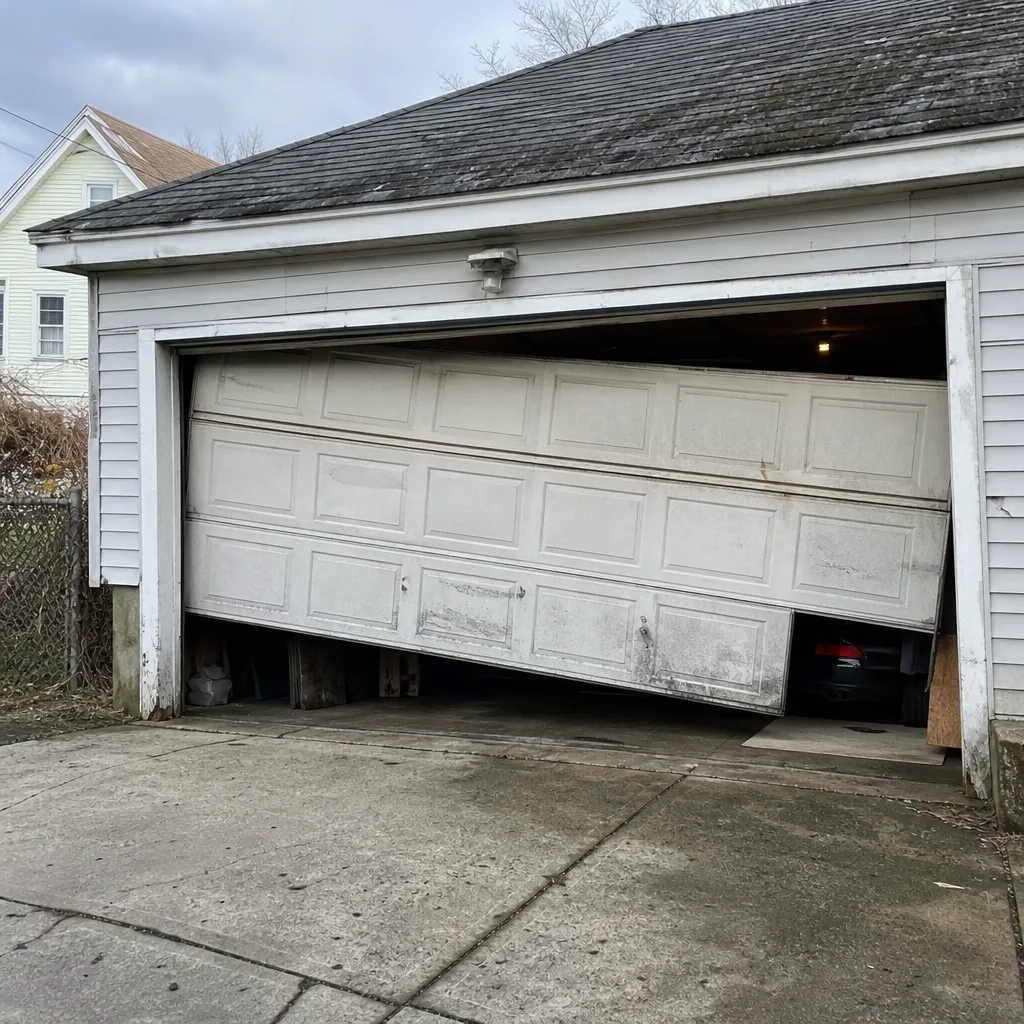
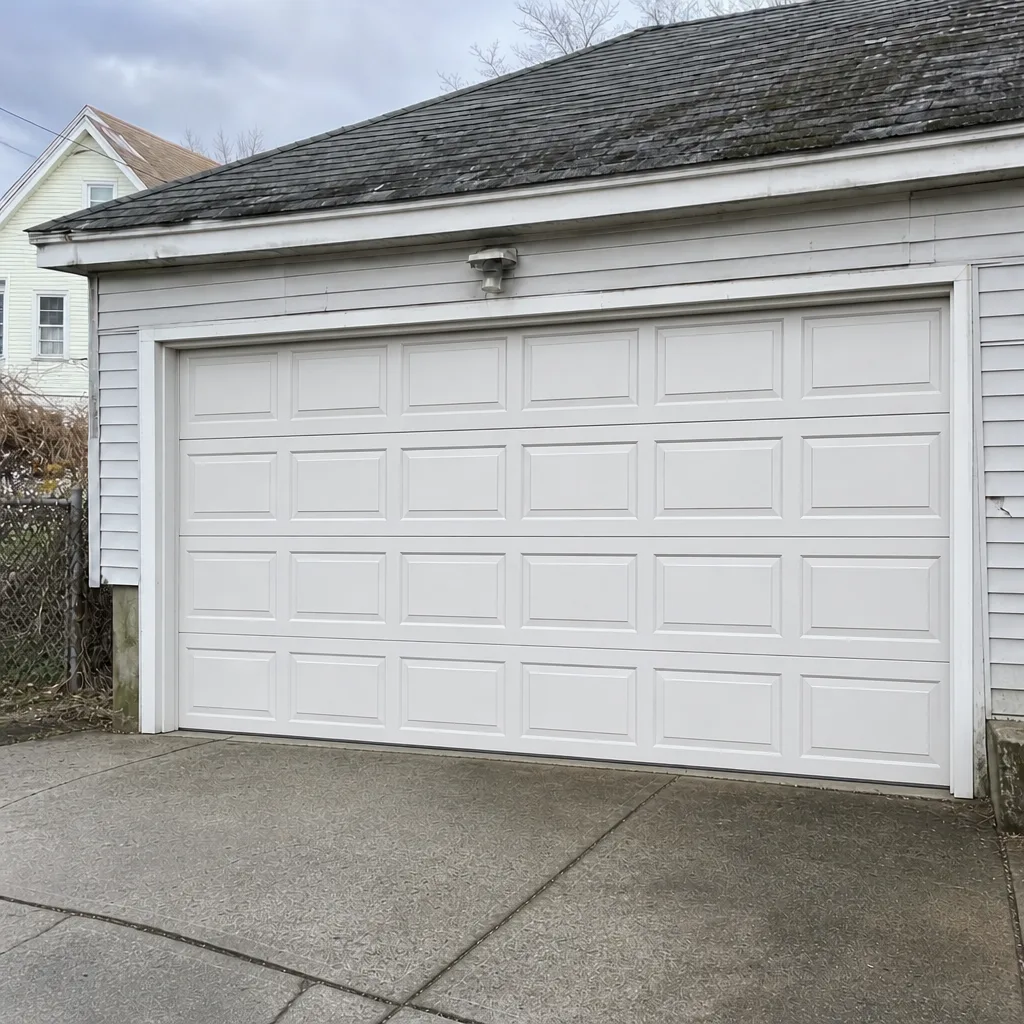
See the difference
 Before
 After
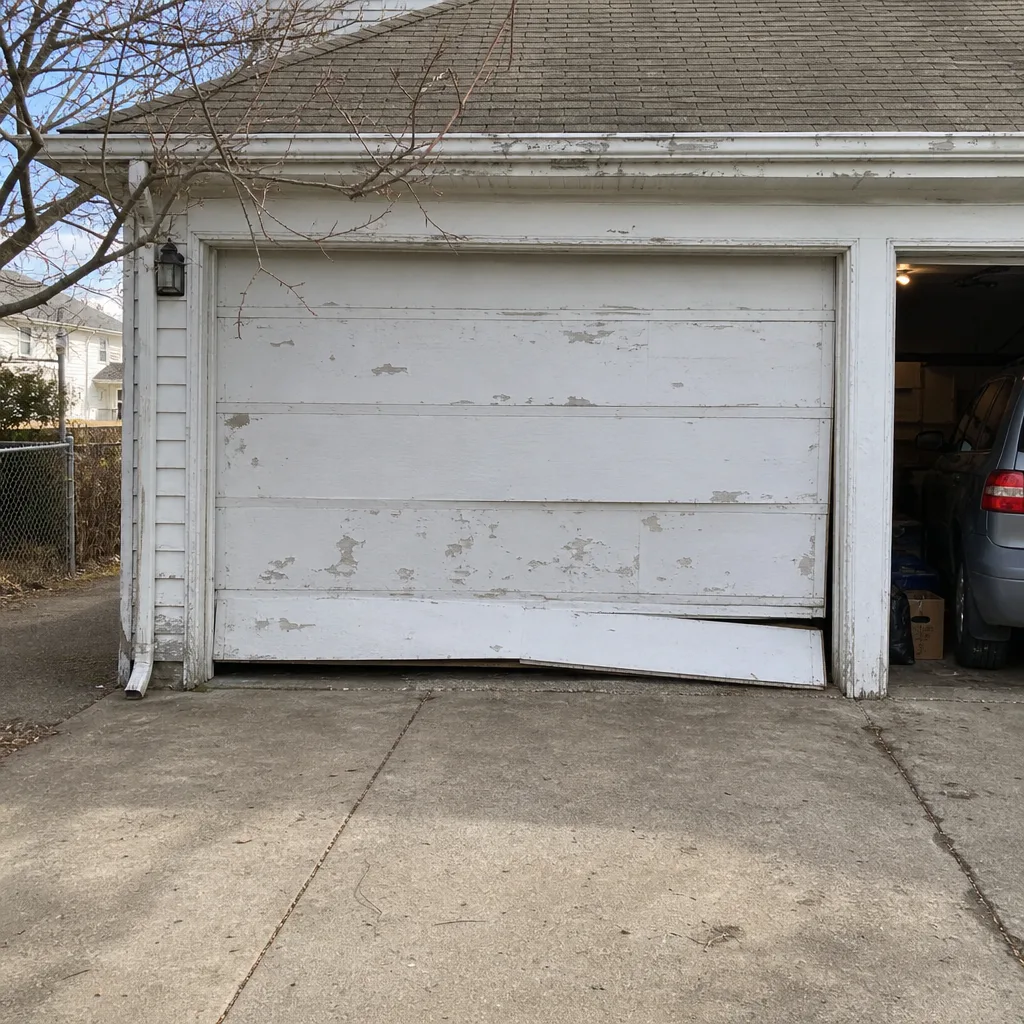 Before
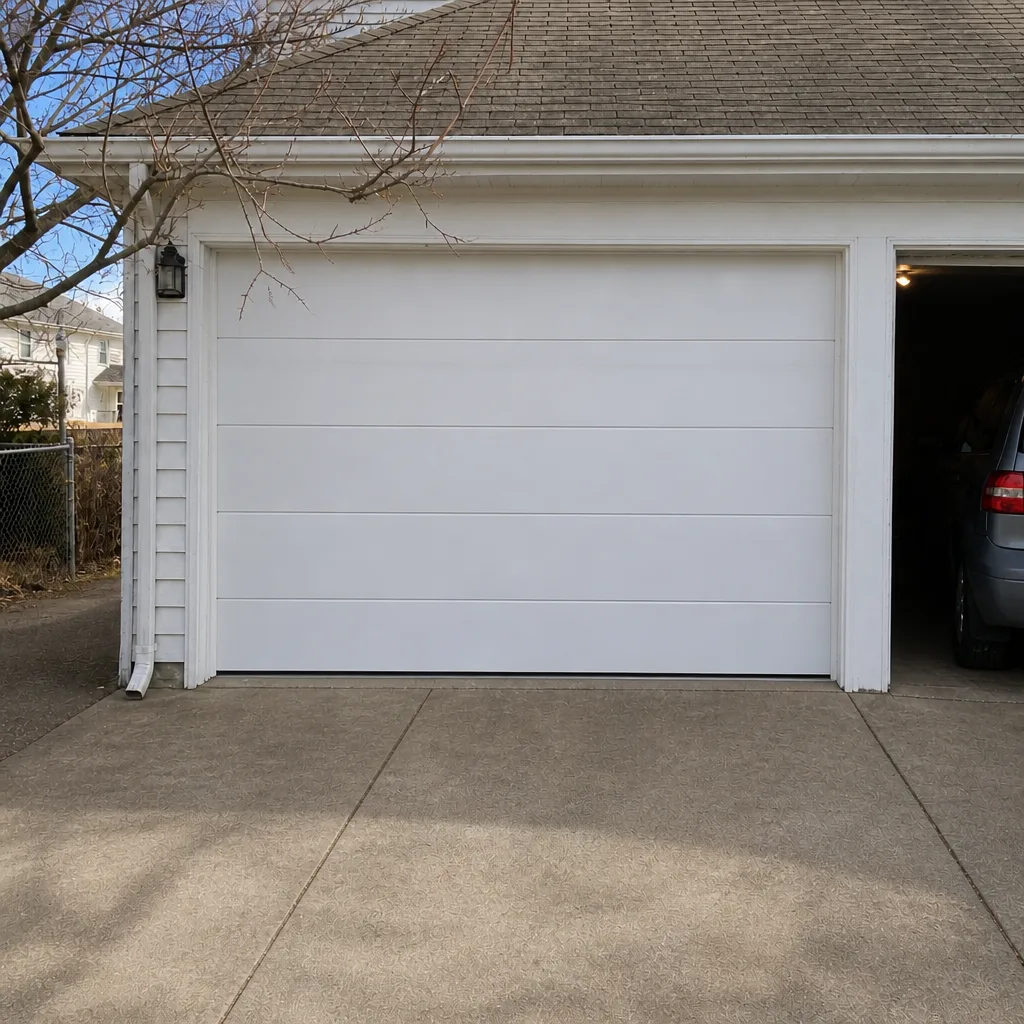 After
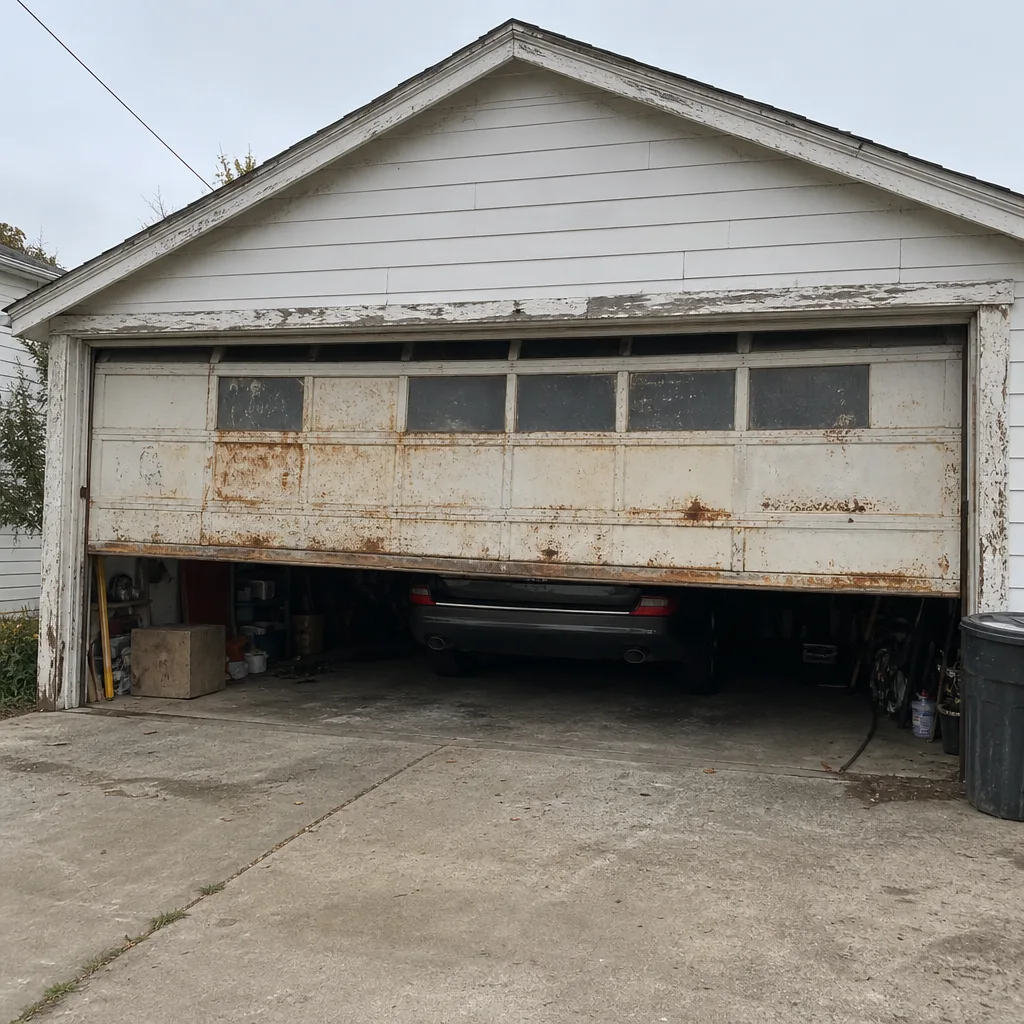 Before
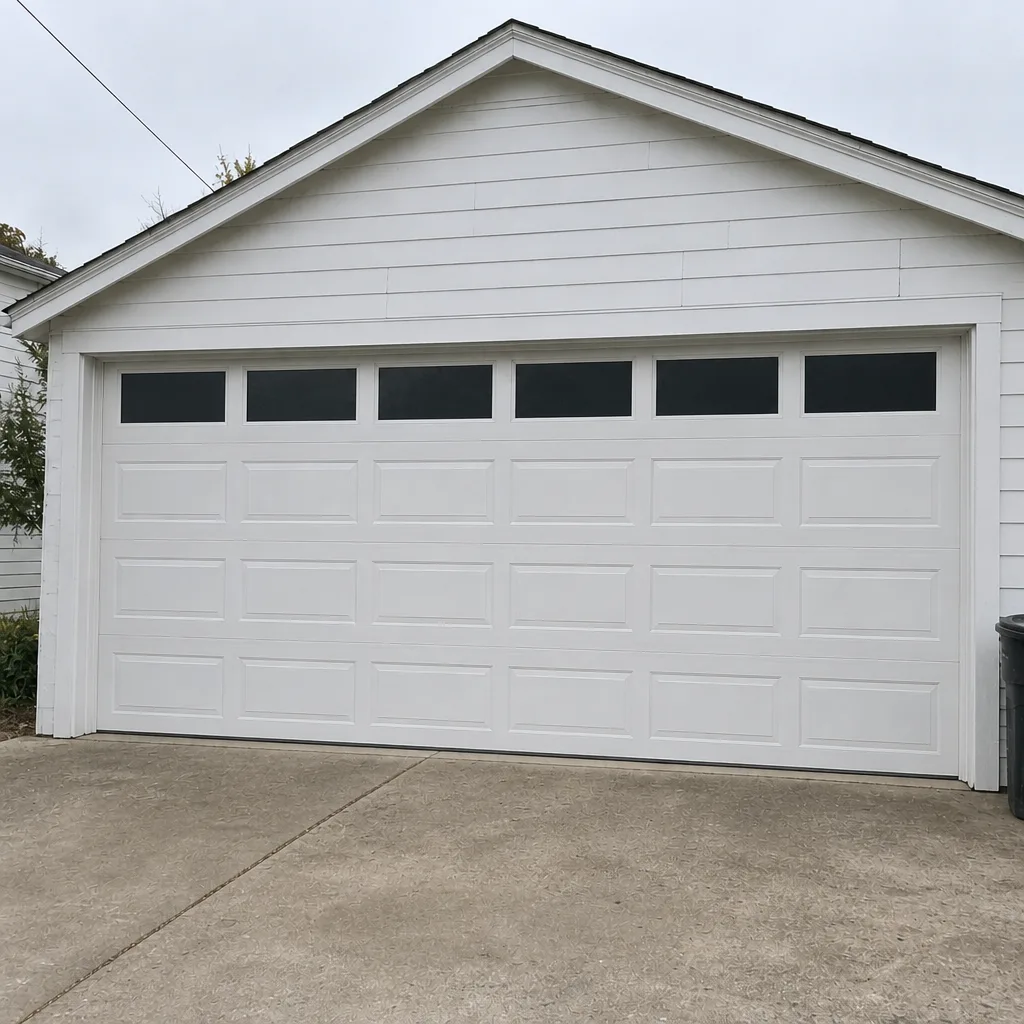 After
When to Call a Professional
Call a professional for anything involving springs, cables, tracks, or a door that’s off its rollers. Those are the repairs where a mistake can cause serious injury. Call us too if the door won’t close and you can’t secure it, if a car is trapped, or if you can’t tell whether the problem is mechanical or electrical. For a weak opener, a dead remote, or a door that’s just noisy, a diagnosis is usually quick and cheap. East Boston Garage Door Repair offers free estimates in East Boston – call (877) 367-9149. We work on all major brands, and we’ll tell you whether repair or replacement makes more sense for your door.
Frequently Asked Questions
Pull the red release cord straight down and slightly toward the door, with the door fully closed and the opener stopped. The motion is different on some Genie models, where the cord pulls toward the motor head, so check the label on the carriage if you can. Never pull while the door is moving, and never disengage a door with a broken spring.
Secure the opening first, then call for repair. Try the manual release and lower the door by hand if it moves freely. Lock it with a clamp or slide bolt in the track if it closes. If it won’t close, park a vehicle near the opening and call us; a stuck-open door on a shared East Boston driveway affects your neighbors, so let them know too. Call (877) 367-9149 for a free estimate.
Often, yes, for repair calls, though it depends on the problem and parts availability. Spring and cable repairs, stuck doors, and opener failures are the calls we handle most. Call (877) 367-9149 and we’ll tell you honestly what to expect.
The written quote is the price. We quote and agree on the cost before any work starts, and we don’t add charges after the fact. If we find a second issue once we’re on site, we’ll tell you and quote it separately before touching it. Call (877) 367-9149 – estimates are free.
It’s strongly recommended. Nor’easters regularly knock out power in East Boston, and a dead opener means no car until you release the door by hand in the dark. Many LiftMaster, Chamberlain, and Genie models support backup natively or as an add-on. Call with your model number and we’ll confirm what’s available for yours.
The local professionals we connect you with are licensed and insured as their state requires. Our technicians have up to 15 years of experience, and we work on LiftMaster, Chamberlain, Genie, Clopay, Amarr, Wayne Dalton, Craftsman, and Raynor systems. Call (877) 367-9149 to book a free estimate.
The Bottom Line
A garage door emergency in East Boston is a preparation problem more than a repair problem. Learn your opener’s manual release, keep a clamp and a spare remote on the shelf, secure the opening before you call, and tell the technician about your street access. Battery backup matters more here than most places because the power cuts are real. And know which calls are worth making at night versus in the morning. Springs and cables are always a professional job. Everything else is usually manageable. If you’re not sure, call and ask. The diagnosis is free, and the written estimate sets the price before any work starts. Reach us at (877) 367-9149 for a free estimate, whatever brand is on your garage.
Written by the team at East Boston Garage Door Repair.