Last updated November 21, 2026
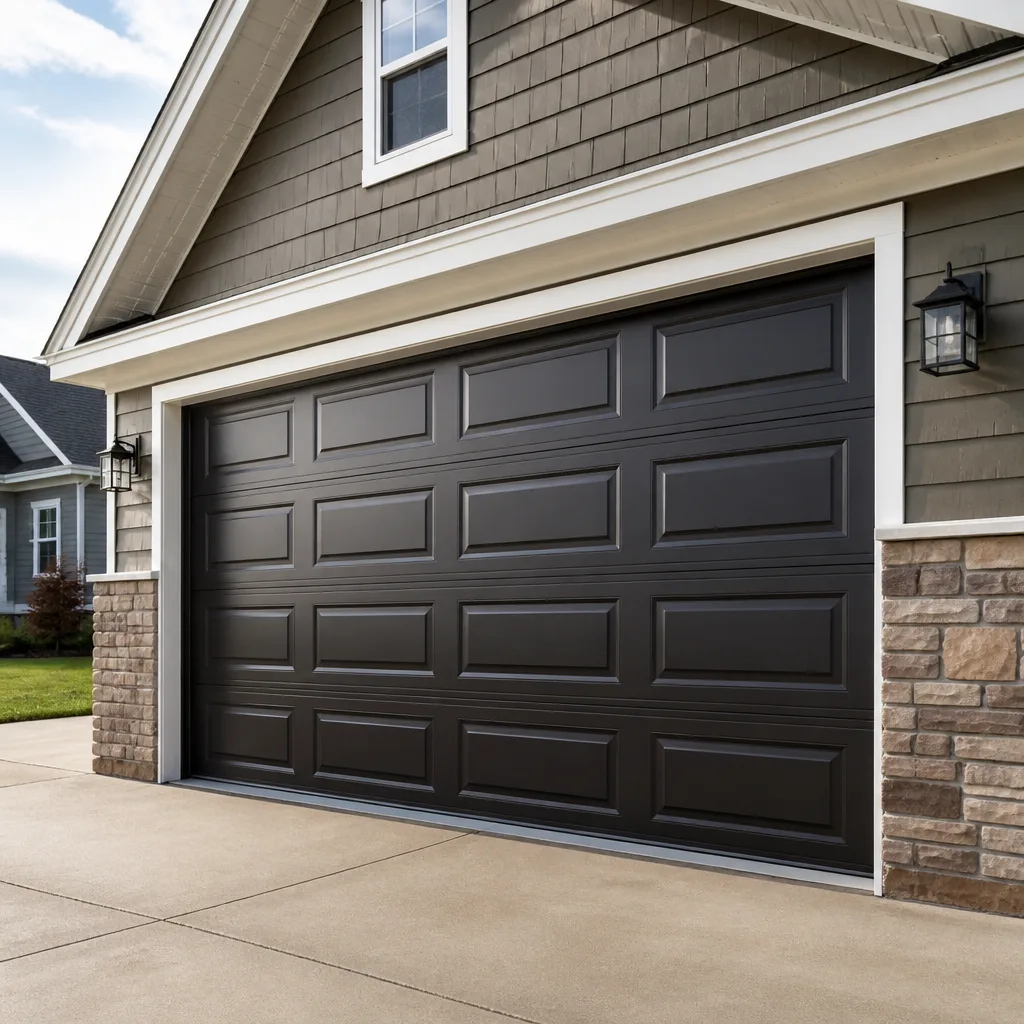 Raised-panel steel
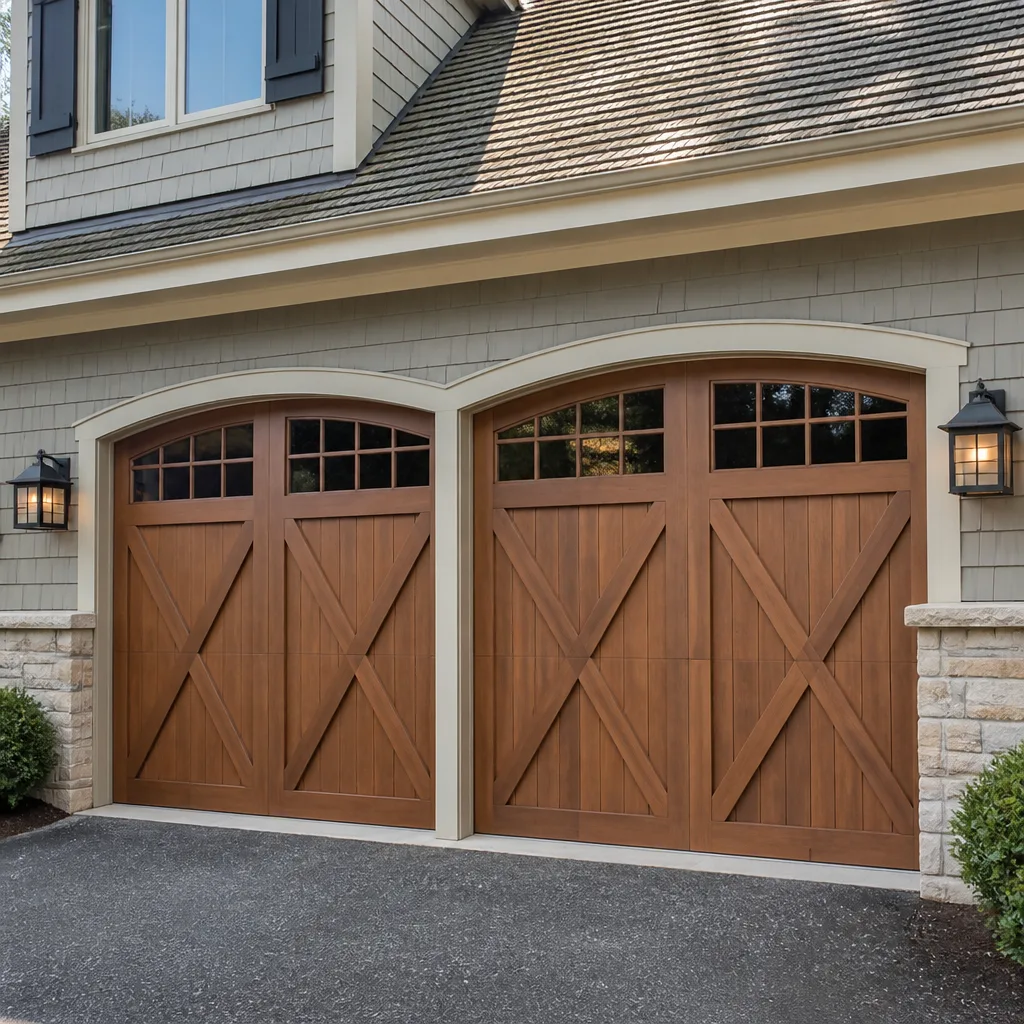 Carriage house
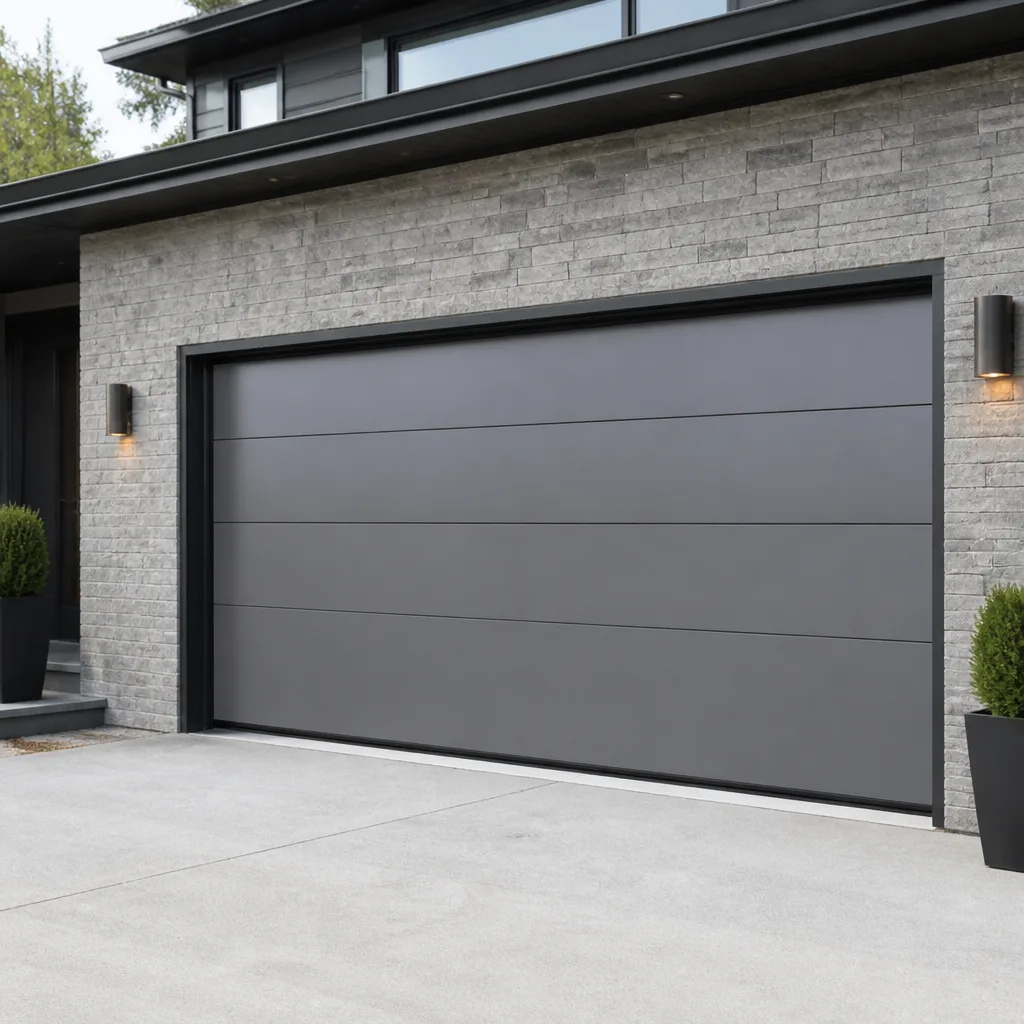 Modern flush
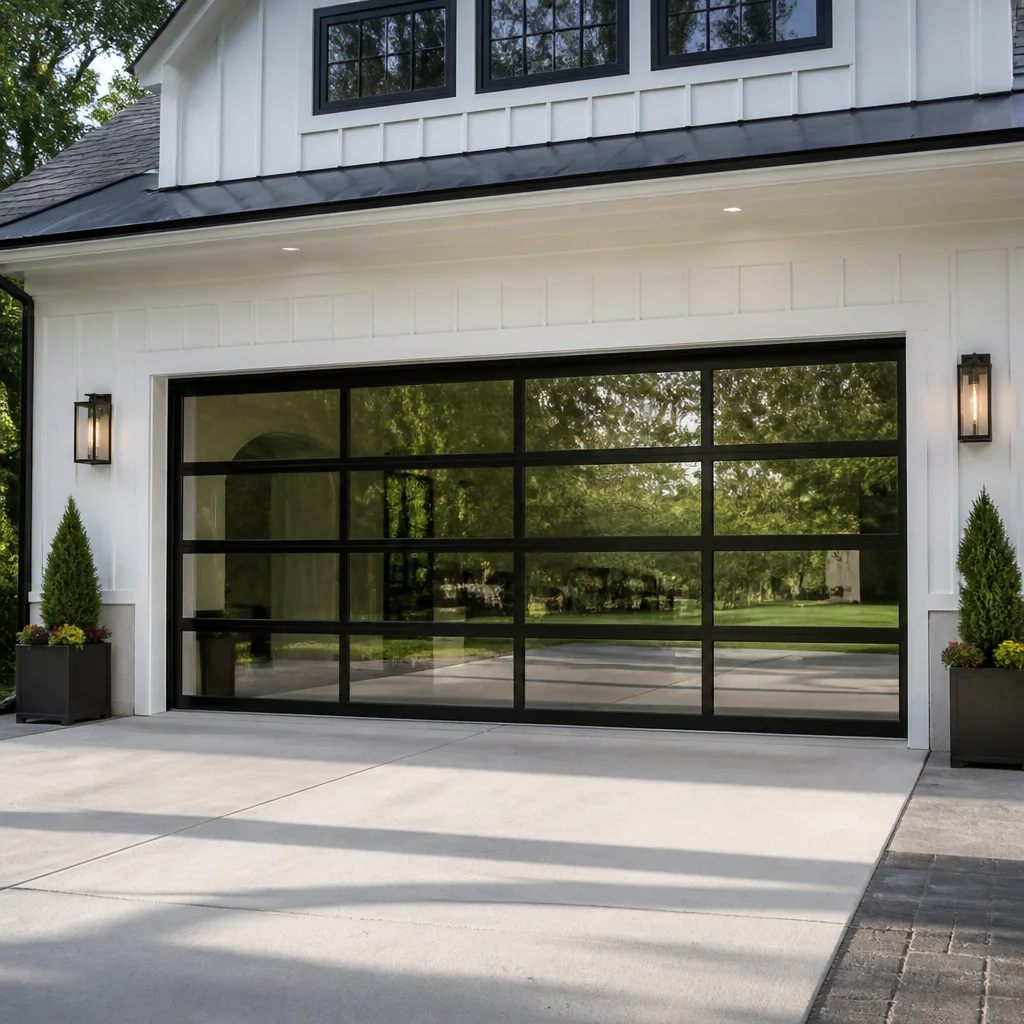 Full-view glass
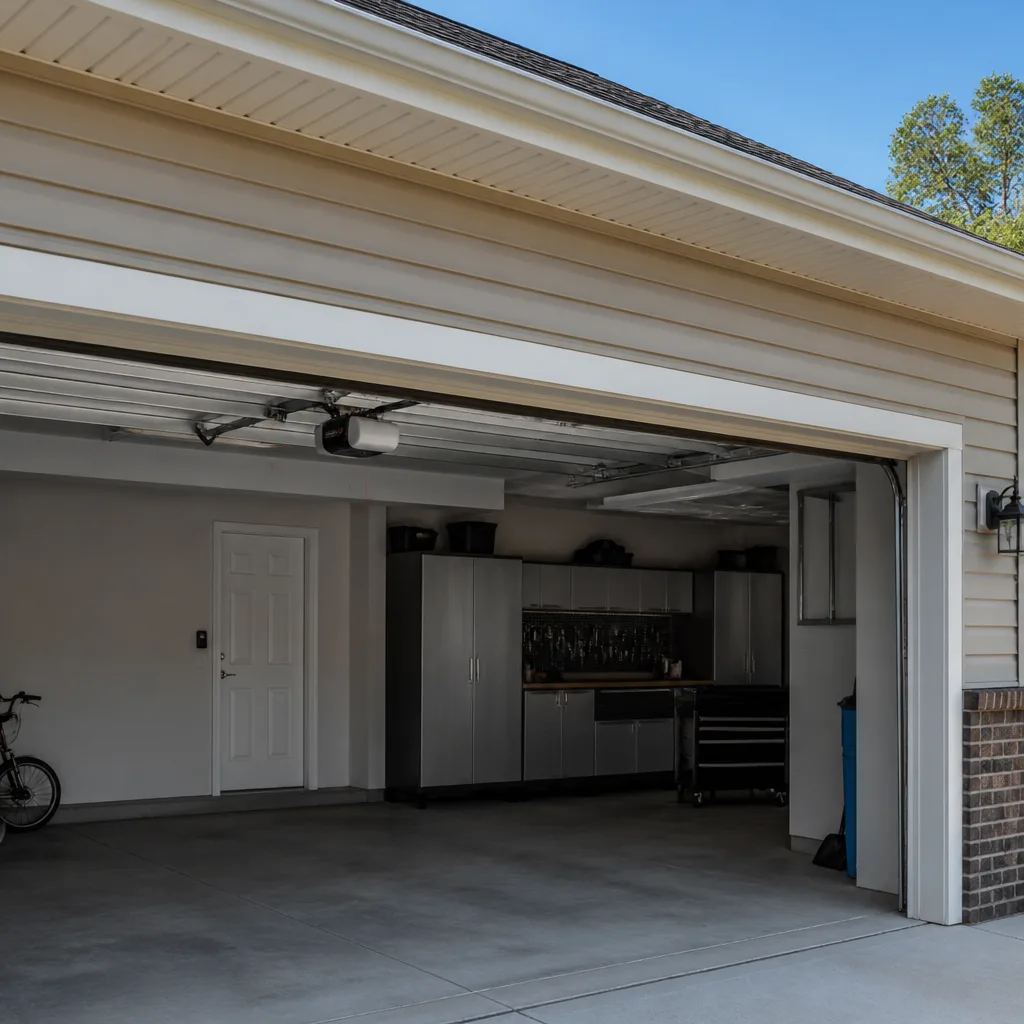 LiftMaster openers
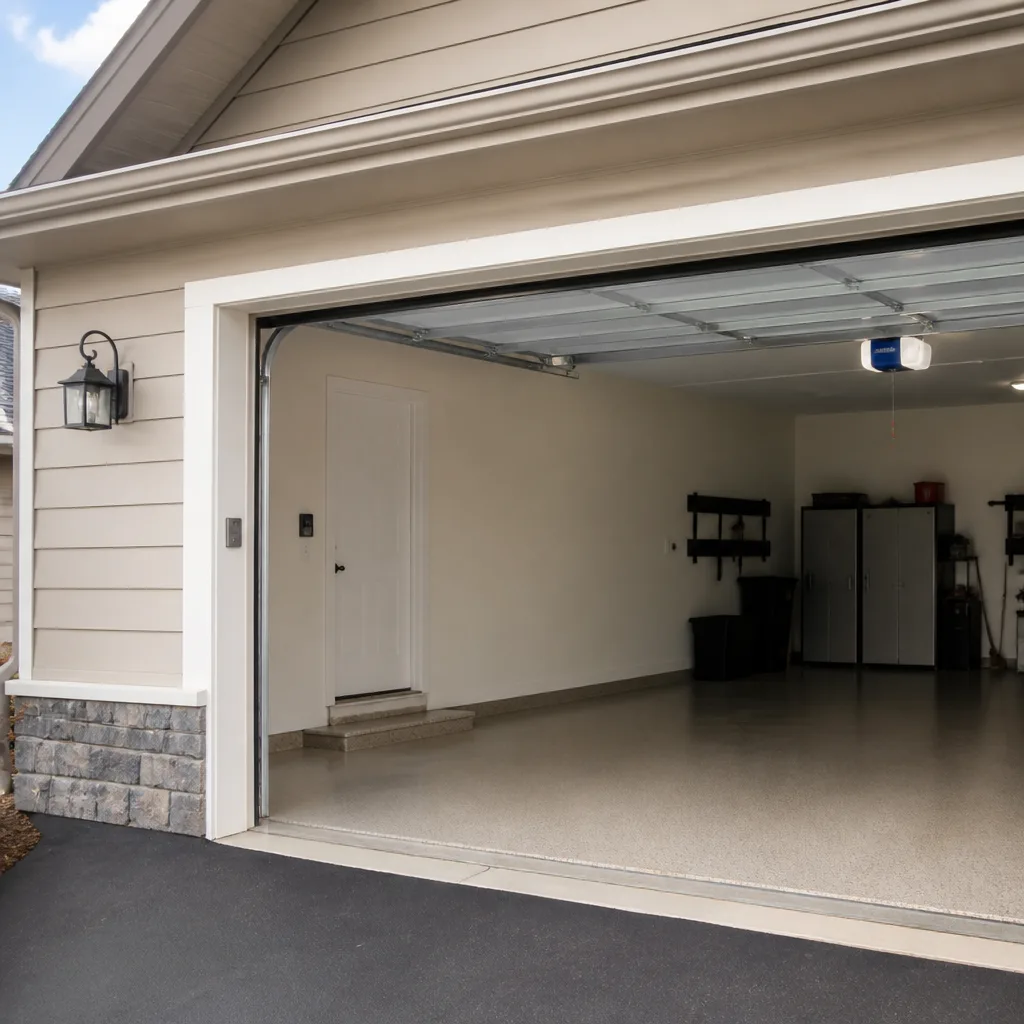 Chamberlain openers
Full 25-point door and opener safety check with every visit - springs, cables, rollers, tracks, and your LiftMaster or Chamberlain opener included
You get a price before we start. It does not change when the pro arrives.
Get your free estimateGarage Door Permits, Codes & Inspections in East Boston, MA: What You Need to Know
Here’s the part that surprises most homeowners: whether your garage door project needs a permit in East Boston usually has nothing to do with the door itself. It depends on what you do around it. A straight door-for-door swap in the same opening is generally treated as routine repair. Add a motor, widen the opening, or touch the framing and you’ve crossed into permit territory. Get that line wrong and the problem doesn’t show up today – it shows up at resale, when a buyer’s inspector starts asking questions nobody can answer. This guide walks through where the line sits in East Boston under current Boston Inspectional Services Department (ISD) rules, what the Massachusetts State Building Code asks of your door and opener, and how to pull a permit the right way.
Quick Answer
In East Boston, replacing a garage door in an existing, unchanged opening usually doesn’t require a building permit because it counts as routine repair. Projects that change the opening size, add or alter structural framing, install or rewire an electric opener, or change the exterior appearance on a protected street typically do require a building permit from Boston ISD, and may also need Historic District Commission review. When in doubt, call Boston ISD directly; the answer depends on scope, not on the door.
Styles & brands we work with
- Raised-panel steel
- Carriage house
- Modern flush
- Full-view glass
- LiftMaster openers
- Chamberlain openers
Table of Contents
- Who Regulates Garage Doors in East Boston?
- What Triggers a Building Permit vs. Routine Repair
- Massachusetts Code: Wind Load and Opener Safety
- Historic District Rules and Door Style
- How to Pull a Permit: Who Files and What You Need
- What Happens at a Home Sale if Work Went Unpermitted
- Inspections: What Gets Checked and When
- Common Mistakes to Avoid
Who Regulates Garage Doors in East Boston?
Boston Inspectional Services Department handles building permits and inspections for every neighborhood inside the city limits, and East Boston is no exception. There’s no separate East Boston building department. If you live near Maverick Square, Eagle Hill, Orient Heights or Day Square, your permit application goes to the same city office that handles Back Bay and Dorchester. That matters because it means one set of rules applies consistently across the neighborhood, and the person on the phone can tell you exactly what your project needs.
ISD’s role covers a few things that touch garage doors:
- Building permits for structural work, changes to openings, and new electrical circuits for openers
- Electrical permits when a new opener needs a dedicated circuit or new wiring run
- Inspections at the framing, electrical and final stages for permitted work
- Certificate of occupancy or completion sign-off once inspections clear
For most door replacements in East Boston, the honest answer is that ISD never gets involved. Routine repair – swapping a damaged panel, replacing rollers, changing a torsion spring – is not a permitting event. But when the job turns into a structural change, a new opener circuit or an exterior alteration on a protected street, ISD becomes the authority you need to work with. We tell East Boston homeowners to call ISD directly before any project they’re unsure about. It’s a short phone call that saves a lot of headaches later, and the answer usually turns on what the project actually involves rather than what kind of door you’re buying.
What Triggers a Building Permit vs. Routine Repair
The line between routine repair and permitted work is the single most useful thing to understand about garage doors in East Boston. Routine repair means restoring the door to how it was – same size, same opening, same style. Permitted work means changing something structural, electrical or exterior. Here’s how that plays out in practice.
Usually routine repair (no permit):
- Replacing damaged door panels with matching ones in the same opening
- Replacing torsion or extension springs, cables, rollers or hinges
- Adjusting or replacing a like-for-like opener on the same circuit
- Repainting or refinishing the existing door in its current color and style
Usually requires a building permit:
- Enlarging or narrowing the garage door opening
- Adding or altering structural framing around the opening, including a new header
- Converting the garage into living space, which changes the door requirement
- Replacing a manual door with an electric opener where there’s no existing circuit
- Changing the exterior appearance on a street subject to historic review
One wrinkle East Boston homeowners run into: many garages here sit under or beside the house, and a new opener sometimes needs new wiring from the panel. That electrical work is a separate permit, even if the door swap itself doesn’t need one. If the opener is a modern smart system, the electrician and the door installer have to coordinate, and we plan for that on any install in East Boston where the circuit isn’t already there.
Massachusetts Code: Wind Load and Opener Safety
Massachusetts adopts the State Building Code, known as 780 CMR, which pulls in national model code provisions for structural and safety requirements. Two of those provisions matter for garage doors:
- Wind load. Garage doors are large openings, and they have to be rated to resist design wind pressures for the site. The door and its track and anchoring need to be specified for the load – not just picked off a showroom floor for looks. In East Boston, that means making sure your installer knows what wind rating your opening requires before the door is ordered.
- Opener safety. Automatic openers must have a functioning entrapment protection system – the safety reverse feature that stops and reverses the door if something is in the way. That includes the photoelectric sensors near the floor and the pressure-sensing reverse built into the opener. A door that fails this test isn’t code-compliant, full stop.
We work with this on every install. Brands like Clopay and Amarr publish wind load ratings per model, and the door you choose has to match what the code requires for your opening in East Boston. That’s one reason we don’t recommend picking a door purely on appearance for a project that involves a permit – the spec sheet matters as much as the style.
A safety note on springs and cables. The torsion spring and cable system that lifts a garage door is under extreme tension. If it fails while you’re adjusting it, it can cause serious injury. Don’t attempt spring or cable work yourself – have a trained technician handle it. The same goes for opener wiring: if a new circuit is needed, that’s electrician work, not a DIY job. We handle garage door repair and spring replacement on East Boston properties, and we can tell you whether the repair triggers a permit or stays routine.
Historic District Rules and Door Style
East Boston has pockets of protected streetscapes, and door style can fall under historic review. The general rule: if your property sits within a locally designated historic district, any exterior change that’s visible from a public way may need review before work starts. That includes a new garage door where the style, material or color changes.
What that means practically for East Boston homeowners:
- Check your district status first. The city maintains maps of locally designated historic districts. If your street is on one, treat the door as a review item, not a routine swap.
- Style usually matters more than the door. A like-for-like replacement in the same material and profile is easier to approve than a switch to a different style or a distinctly modern panel pattern.
- Submit before ordering. If your door needs review, submit the design package before you order the door. Nothing’s worse than a door that arrives and then sits waiting on a decision.
We’ve worked with East Boston homeowners on doors from Clopay and Amarr where the right panel profile made the review process straightforward – not because the door was special, but because the style was consistent with the streetscape. When historic review is in play, we tell people to call their city’s historic preservation office and confirm the process for their address before we place the order.
How to Pull a Permit: Who Files and What You Need
Either the contractor or the homeowner can file a building permit with Boston ISD. In practice, for a garage door project, it’s usually cleaner for the contractor who’s doing the structural or electrical work to file, since they hold the license for that scope and can answer the inspector’s questions directly. Homeowners can also pull their own permit for certain scopes, but it means being on the hook for the inspections.
The general steps look like this:
- Confirm scope. Write down exactly what’s changing – door size, opening, framing, opener and wiring, exterior style. This is the foundation of the application.
- Get the door spec. The door model, wind load rating and installation details need to match the code for your opening. Your installer provides this.
- File the permit application. Submit to Boston ISD with the project description and any drawings or specs they require for your scope.
- Pay the permit fee. The fee depends on scope and project value; ISD sets the schedule.
- Schedule inspections. Framing and electrical inspections happen before close-up; final inspection comes after the door and opener are installed and tested.
- Get sign-off. Once inspections clear, the permit is closed. Keep the paperwork.
The timeline is set by ISD based on their current workload – we can’t promise a review window, and neither can anyone else. For East Boston projects, we plan the schedule so inspections land before drywall or interior finishes where the work involves framing. If you want to talk through an install, you can reach the team at (877) 367-9149 for a free estimate, and we’ll walk through the permit piece with you before anything gets ordered.
What Happens at a Home Sale if Work Went Unpermitted
An unpermitted structural change or opener install usually doesn’t cause a problem at the time. It surfaces at resale. A buyer’s inspector notices a converted garage, a door opening that doesn’t match original records, or new wiring without a visible permit history, and suddenly you’re fielding questions in the middle of a sale. The buyer’s attorney will ask for permit records; if there are none, you’re dealing with one of a few outcomes: a delayed closing, a credit request, or retroactive permitting that has to be done on the buyer’s timeline.
Two scenarios we see in East Boston:
- Opener installed without electrical sign-off. The buyer’s inspector flags wiring that doesn’t match the permit history. You end up paying for an electrician to inspect and add the sign-off, usually under deadline pressure.
- Structural framing changed without a permit. Changing the opening or adding a header without paperwork can mean the buyer’s lender requires the work to be permitted retroactively – which means opening walls to let ISD inspect framing that was already finished.
The lesson: if you’re doing anything beyond a like-for-like door swap, pull the permit. Even a modest garage door install in East Boston gets a paper trail that holds up at sale. It’s cheap compared to the alternatives, and it’s the difference between a clean handoff and a scramble. When we come out for a free estimate, we ask about scope up front so we can tell you honestly whether a permit is in the picture.
Inspections: What Gets Checked and When
Permitted work generally goes through two to three inspection stages, depending on what’s being done. If the project only involves the door itself in an unchanged opening, there may be no inspection at all. Once structural or electrical work is in scope, inspections are part of the project.
Framing inspection. Before anything gets closed up, ISD looks at the opening framing – headers, jamb details and connections. This has to pass before the door gets hung.
Electrical inspection. If a new opener circuit is being run, the rough wiring gets inspected before the opener is connected. Final electrical inspection happens once the opener is installed and working.
Final inspection. Once everything is installed, ISD confirms the door operates correctly, the safety reverse works, the entrapment protection is in place, and the installation matches the approved scope. The opener has to pass a safety reverse test – a technician will run this before sign-off and confirm it holds.
For East Boston homeowners, one practical tip: schedule inspections with a buffer. ISD has a lot on its plate and a missed inspection can push a project back a week. We schedule the final alongside the door install so everything gets tested and signed off in one visit wherever possible.
What does a garage door inspection actually look for?
A final ISD inspection for a permitted garage door install checks the door operation, the opener’s safety reverse and entrapment protection, the anchoring and framing, and that the work matches what was approved. It’s not a maintenance checklist – it’s a compliance check.
Common Mistakes to Avoid
- Assuming every door replacement needs a permit. In most East Boston cases, a like-for-like swap doesn’t. Ask ISD about scope, not about the door category.
- Adding an opener without checking the electrical permit. New wiring needs its own permit and sign-off. Skipping it leaves a gap the buyer’s inspector will find at sale.
- Ordering a door before confirming wind load and historic review. Both requirements sit upstream of the order. Getting the door spec wrong means restarting the process.
- Trusting an installer who says “we don’t need a permit” for a structural change. A structural change is a permit item, full stop. Get it in writing if they say it isn’t.
- Changing a door’s exterior style on a protected East Boston street without review. Historic district review can apply to garage doors when visibility and style changes are involved.
- Doing spring or opener repairs yourself to save a service call. Springs are dangerous and opener wiring belongs to a licensed electrician. This is one of the few places where DIY is genuinely the wrong answer.
- Ignoring the paperwork after the work. Keep the permit, inspection records and door spec sheet together. That folder is what makes a home sale clean.
When to Call a Professional
Some parts of a garage door project are safe to handle yourself: painting the door, checking sensor alignment, replacing a dead remote battery, testing the safety reverse. The rest is where we’d say call. New springs and cables carry enough stored tension that a mistake can cause serious injury, so leave those to a technician. Opener wiring is electrician work, and it ties into the permit picture. Any change to the opening, framing or exterior style on a protected street needs the permit process run correctly, which is easier when the installer is coordinating with ISD. If you’re unsure whether a job triggers a permit, that’s a good call too. East Boston Garage Door Repair offers free estimates in East Boston – call (877) 367-9149 to get an opinion in plain terms.
See the difference
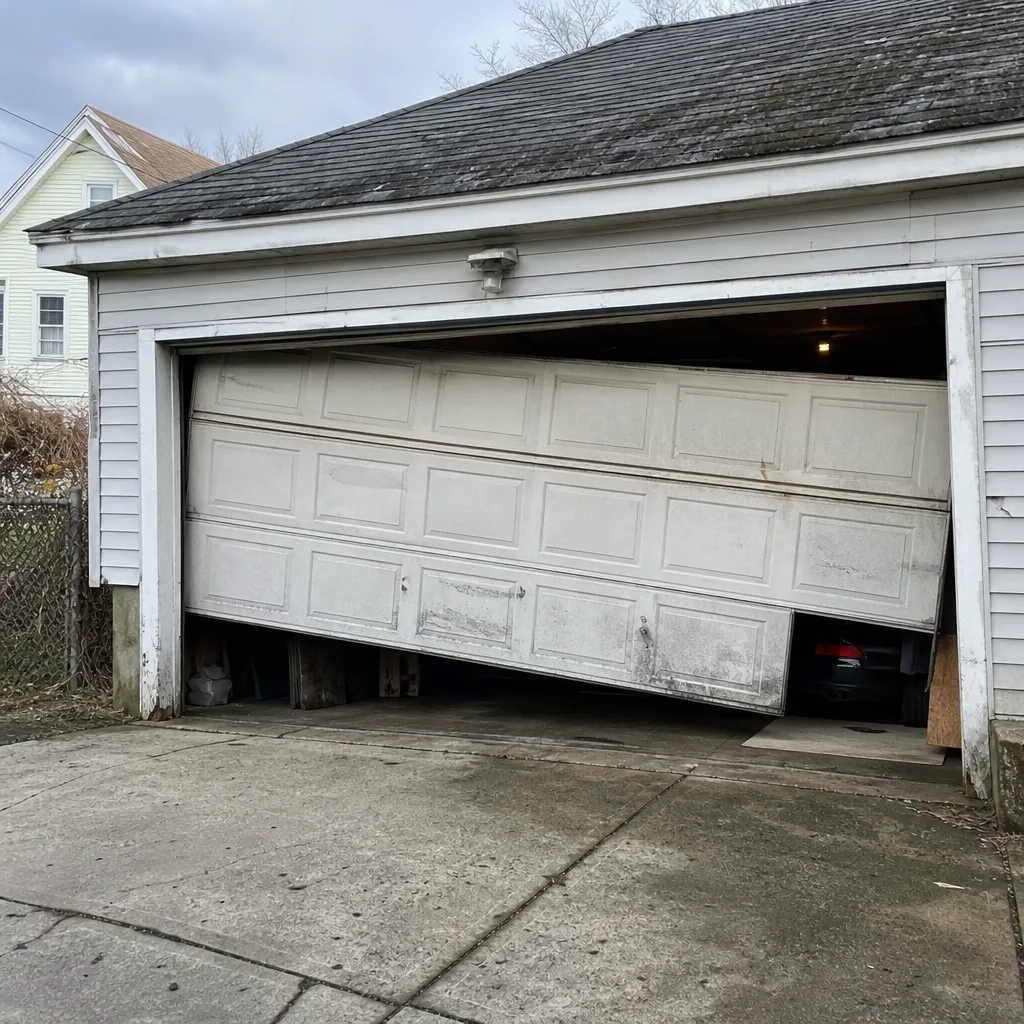 Before
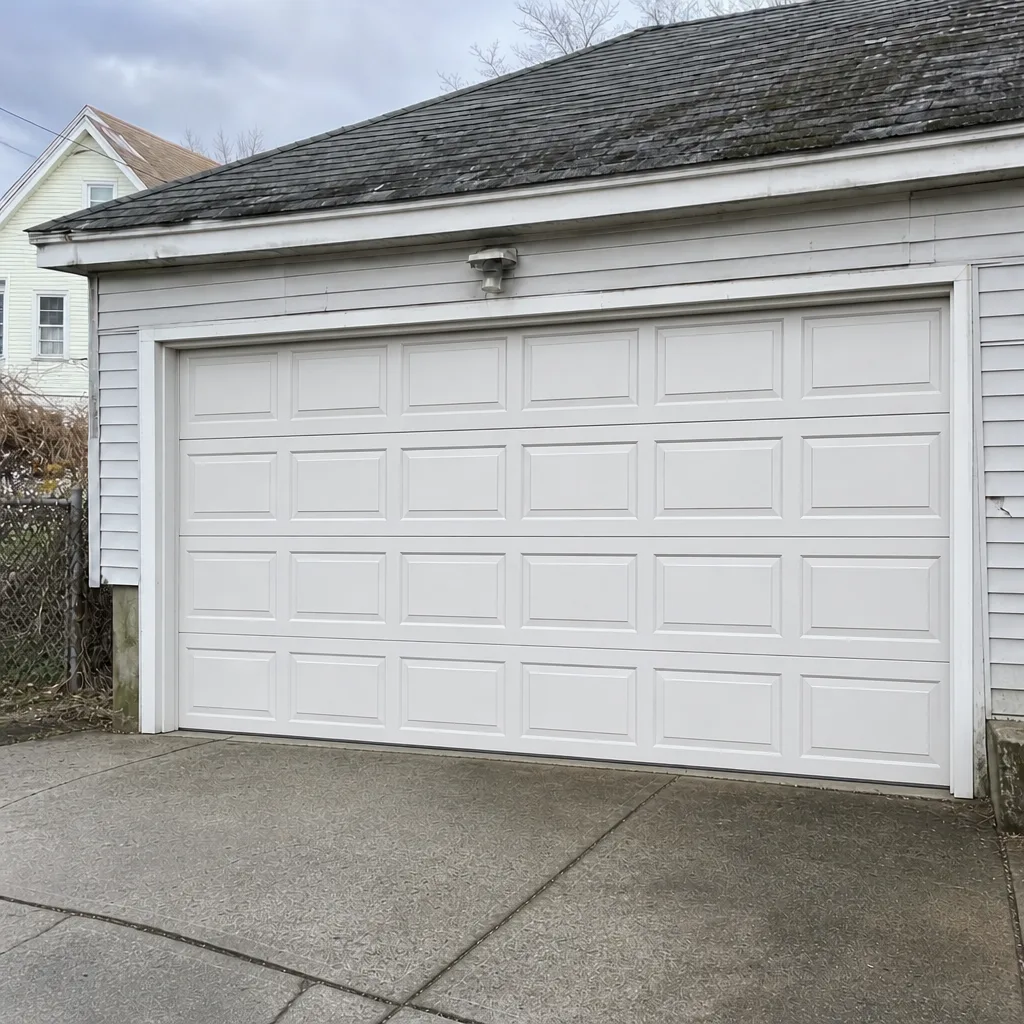 After
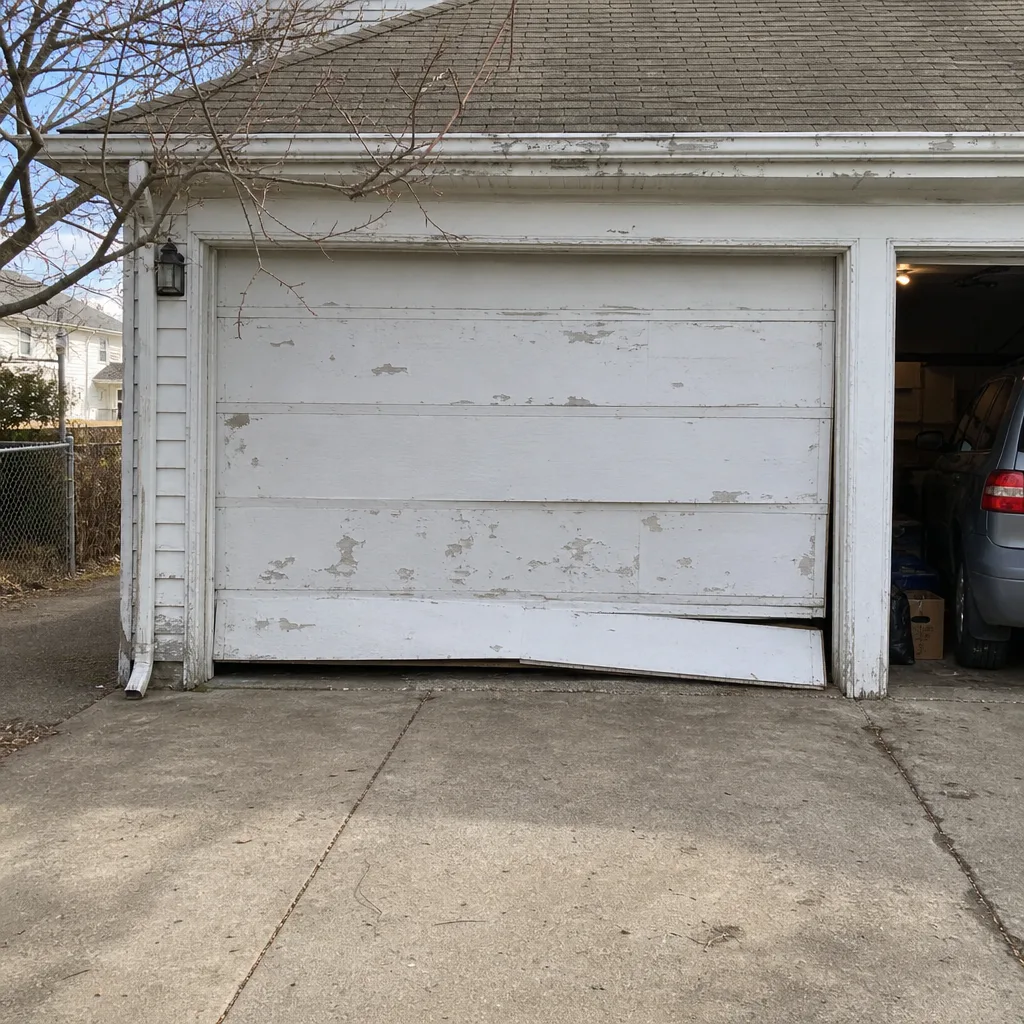 Before
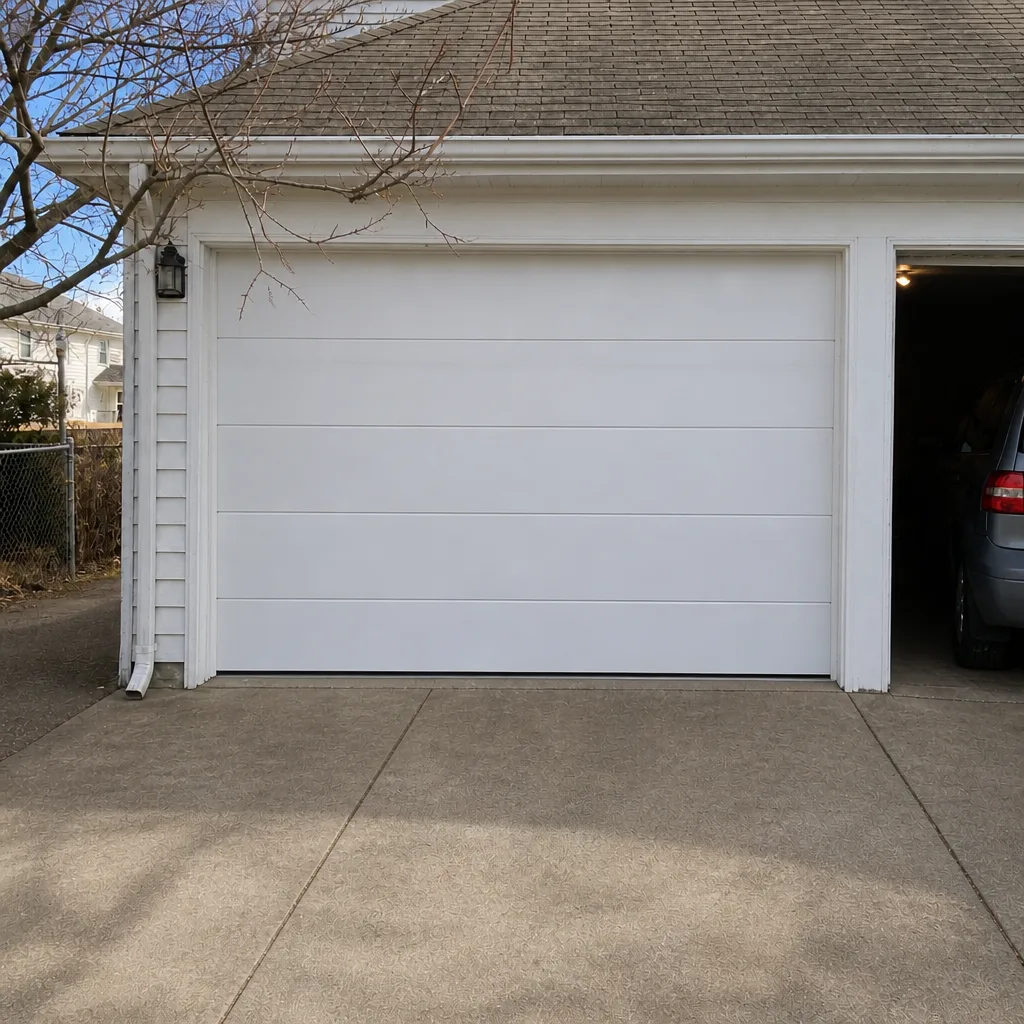 After
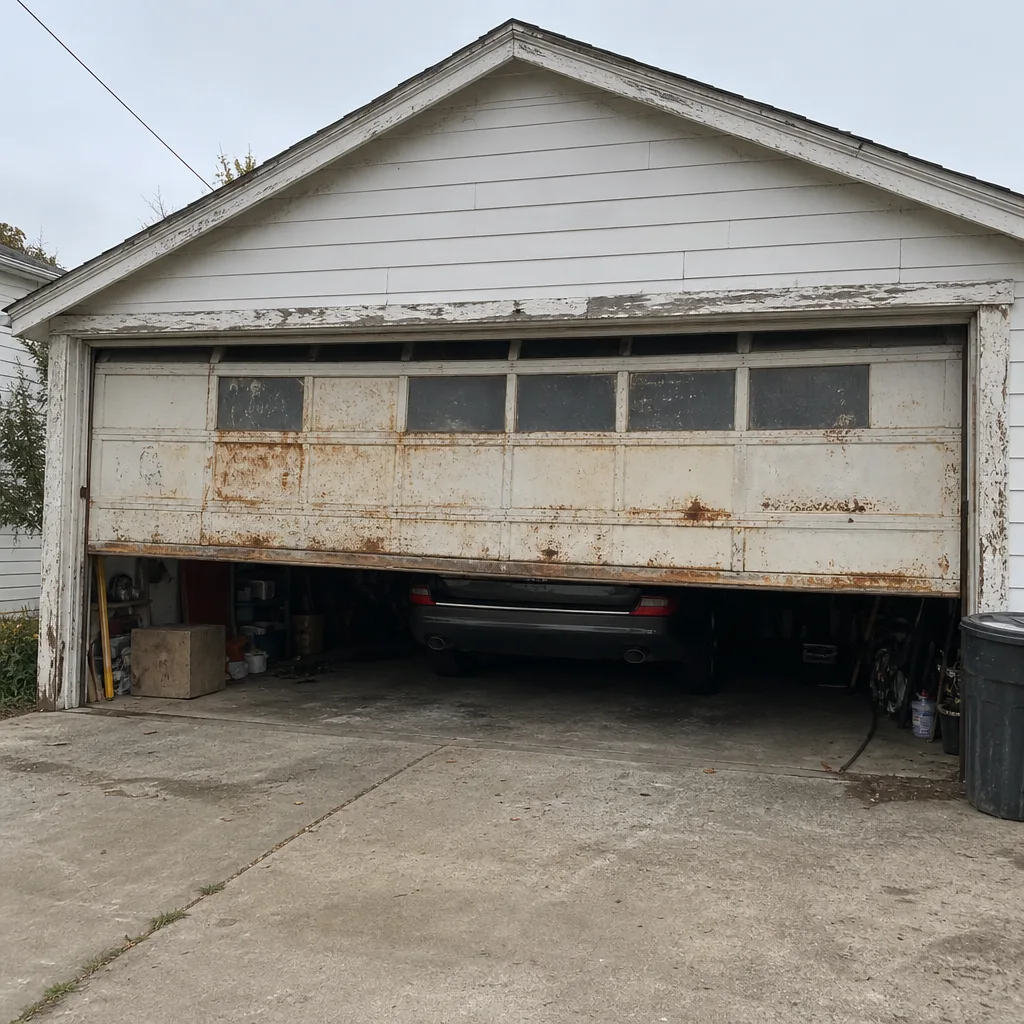 Before
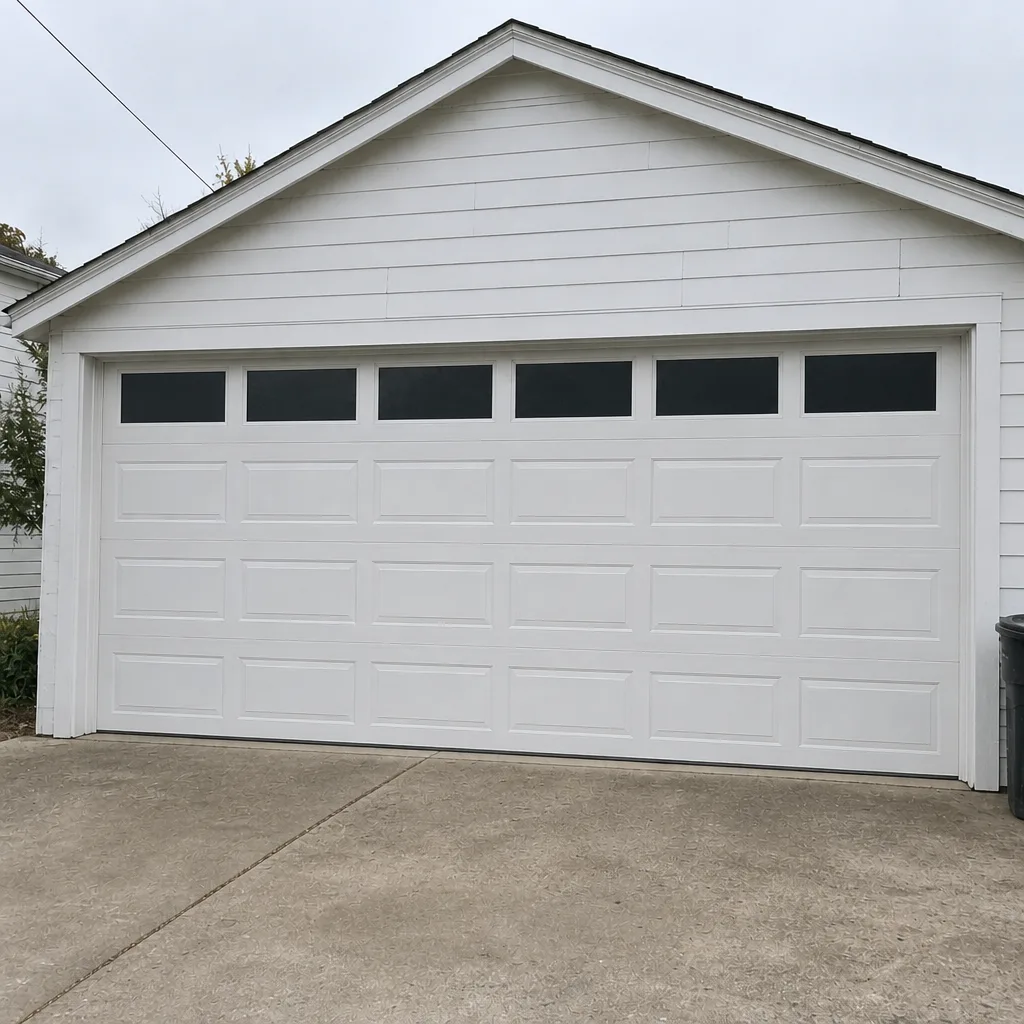 After
Frequently Asked Questions
A like-for-like door replacement in an unchanged opening usually does not need a building permit in East Boston because it qualifies as routine repair. A permit is required when the project changes the opening size, alters framing, installs a new opener with wiring, or changes the exterior appearance on a historically protected street. Call Boston ISD to confirm your specific scope – the answer depends on the project, not the door.
Usually yes, if the opener needs new wiring or a new dedicated circuit from your electrical panel. The electrical work is a separate permit from the door install, and both need to clear inspection. If you’re replacing an existing opener on the same circuit, the answer is often different – confirm with ISD before you book the install. Call (877) 367-9149 for a free estimate and we’ll help you figure out which side of the line your project is on.
The Massachusetts State Building Code (780 CMR) applies to garage door wind load ratings and opener safety. Doors must be rated to resist design wind pressures for the site, and automatic openers must have working entrapment protection – the safety reverse feature plus photoelectric sensors. A door installed without a matched wind rating or a functioning safety reverse fails code.
Review timelines are set by Boston ISD based on their current workload, so there’s no single answer. Plan a schedule buffer, submit your application with a complete door spec and project scope, and expect to schedule framing and electrical inspections before your final. We schedule the final inspection alongside the install so everything gets signed off together wherever possible.
Yes. An unpermitted opener install or structural change often surfaces at resale, when the buyer’s inspector flags wiring or framing that doesn’t appear in the permit history. Buyers and their attorneys ask for permit records, and a missing permit can delay closing or require retroactive permitting under deadline pressure. Keeping the paperwork together avoids the whole problem.
It can be. East Boston has pockets of locally designated historic districts where exterior changes – including door style, material and color – may need review before work starts. Like-for-like replacement in the same profile is usually the simplest path. Check your property’s district status first, and submit any required design package before ordering the door.
The Bottom Line
Garage door permitting in East Boston comes down to scope, not style. Like-for-like replacement in an unchanged opening is routine repair. Changing the opening, framing, wiring or exterior appearance on a protected street puts you in permit territory. Wind load and opener safety reverse are the two code requirements homeowners most often skip, and unpermitted work is the one thing that can turn a clean sale into a scramble. When you’re planning a project, call Boston ISD, get the door spec right, and keep your paperwork. If you want a straight answer on what your install needs, call us at (877) 367-9149.
Get a Free Estimate in East Boston
We handle garage door installation, garage door opener repair, spring replacement and door repair for whatever brand is on your garage – Clopay, Amarr, Wayne Dalton, LiftMaster, Chamberlain, Genie, Craftsman and Raynor. Our technicians have up to 15 years of experience, and we’ll tell you whether the project triggers a permit before you order the door. Call (877) 367-9149 for a free estimate, or start with our East Boston Garage Door Repair page if you’re still figuring out what needs fixing.
Written by the team at East Boston Garage Door Repair.